
For Australian agencies chasing enquiries by hand
What an unanswered open home enquiry costs you, and which part of the follow up runs on its own.
A report on your own agency, showing which enquiries never got a second message, and what that is costing you in listings.
 By Reece Rainer
spareday, Newcastle NSW
Last updated
13 September 2026
Read time
10 minutes
By Reece Rainer
spareday, Newcastle NSW
Last updated
13 September 2026
Read time
10 minutes
A passion-driven, good-hearted and reliable service provider with the competency of a genius when it comes to software engineering, AI technology and marketing.
He was able to take our rough ideas, from concept through to reality. The site has provided an influx of new members, helping to keep our club viable.
Excellent in all facets of web design with particular expertise in SEO and email marketing. Online visibility has skyrocketed since working Reece which translates as flawless customer relations, new leads and new customers.
Forty people walk through an open home on Saturday. Half of them leave a name and a number. By Wednesday, most of them have heard nothing, and the ones who have heard something got a single message that went to everybody.
That is not a failure of effort. It is a Saturday afternoon followed by a Monday of appraisals, and nobody in the office has a free hour to write forty messages. What follows is which parts of the follow up run on their own, what it will not do, and the order worth doing it in.
The follow up after an open home, the enquiry that arrives at ten at night, the owner update nobody has time to write, and the first draft of listing copy that starts from the property rather than from nothing.
AI for real estate is the follow up nobody has a free hour for, rather than anything that touches an appraisal.
Two different things get called AI, and only one of them matters here. The first is automation, which means a job that starts on its own: somebody signs in at an open home, so a message goes to them that evening. The second reads what they wrote back and answers in the agency's words, which is what stops a follow up reading like a mailout.
All of that is work an agency already knows should happen. It happens on the Saturday night, instead of on the Wednesday when somebody finally gets to it.
It costs listings. A buyer who hears nothing for four days has been to two other open homes, and an owner who hears nothing all week starts wondering what they are paying for.
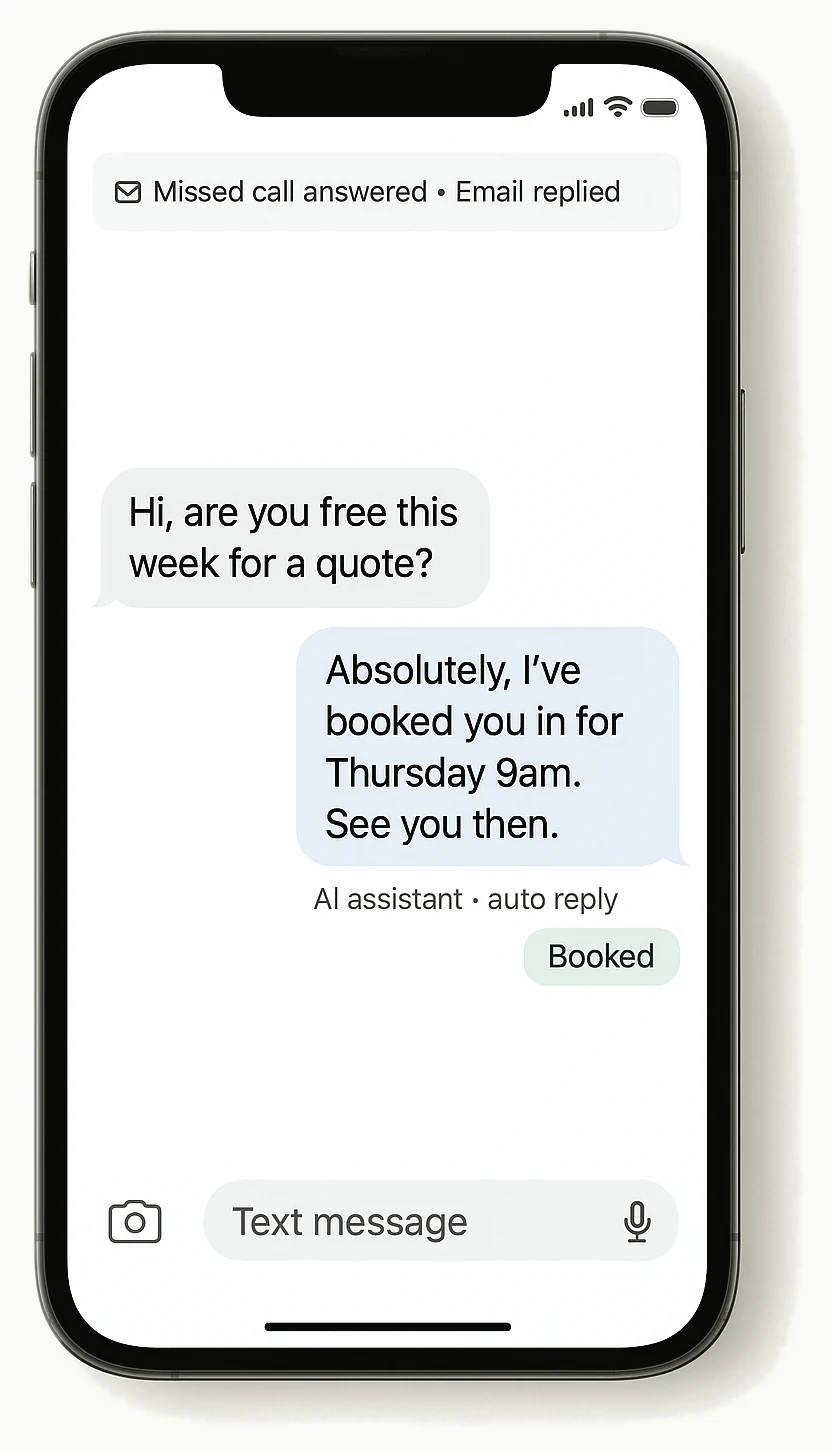
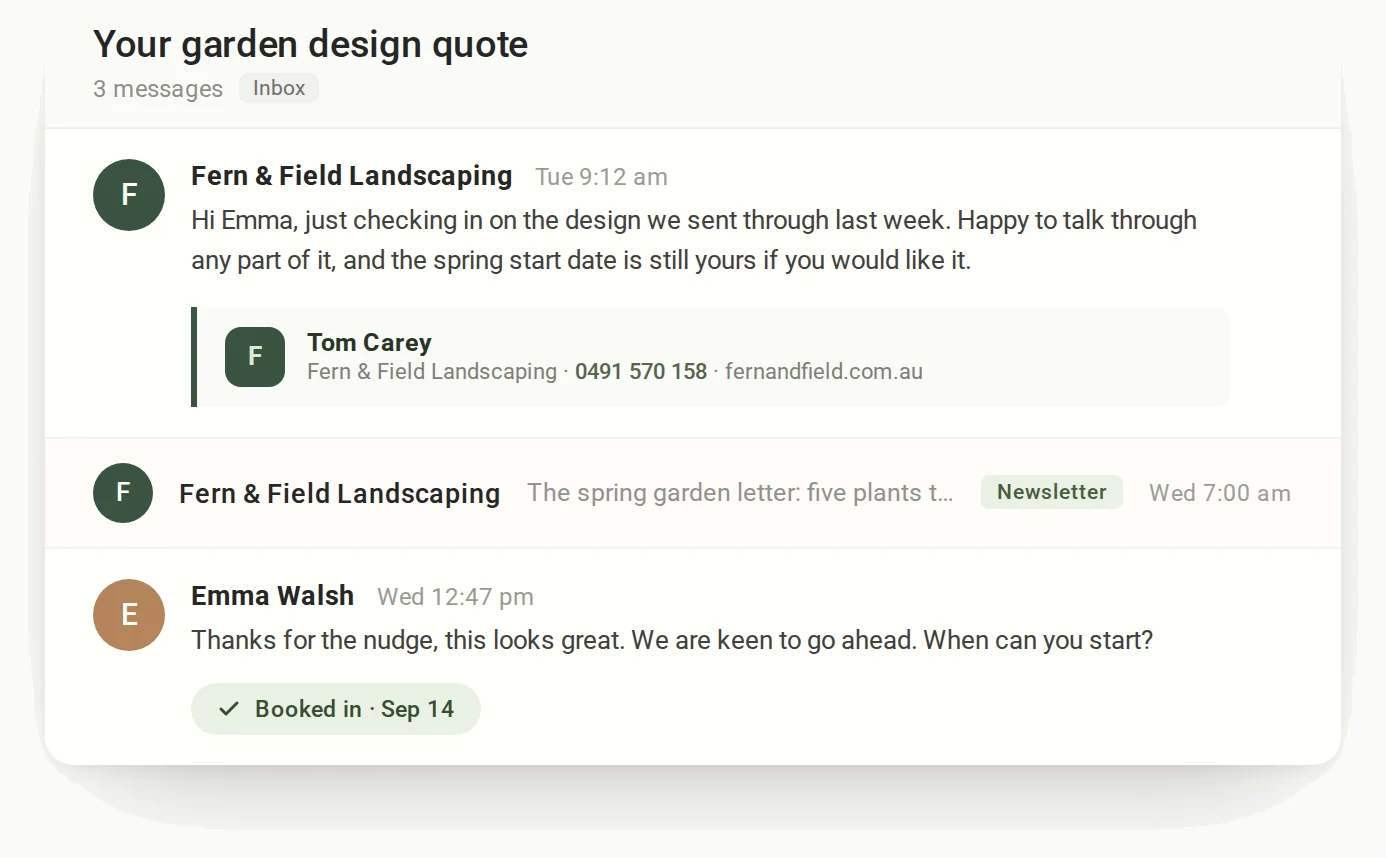
Watch what happens to an open home enquiry. Somebody signs in on Saturday, genuinely interested. Nobody rings on Sunday because it is Sunday. Monday is appraisals, Tuesday is contracts, and by Wednesday that person has been through three more properties and remembers none of the agents.
The same thing happens on the owner side. The campaign is going fine and nobody has told them so. Silence reads as nothing happening, and it is the single most common reason an owner takes a listing somewhere else at the end of an agreement.
The Real Estate Institute of Australia has been saying for years that responsiveness is what buyers notice in a market where the properties are the same, and this is the cheapest way to be responsive.
Nothing here asks you to change systems. The work happens in the CRM and the portals your agency already pays for, and the value is in the handoffs between them rather than inside any one of them.
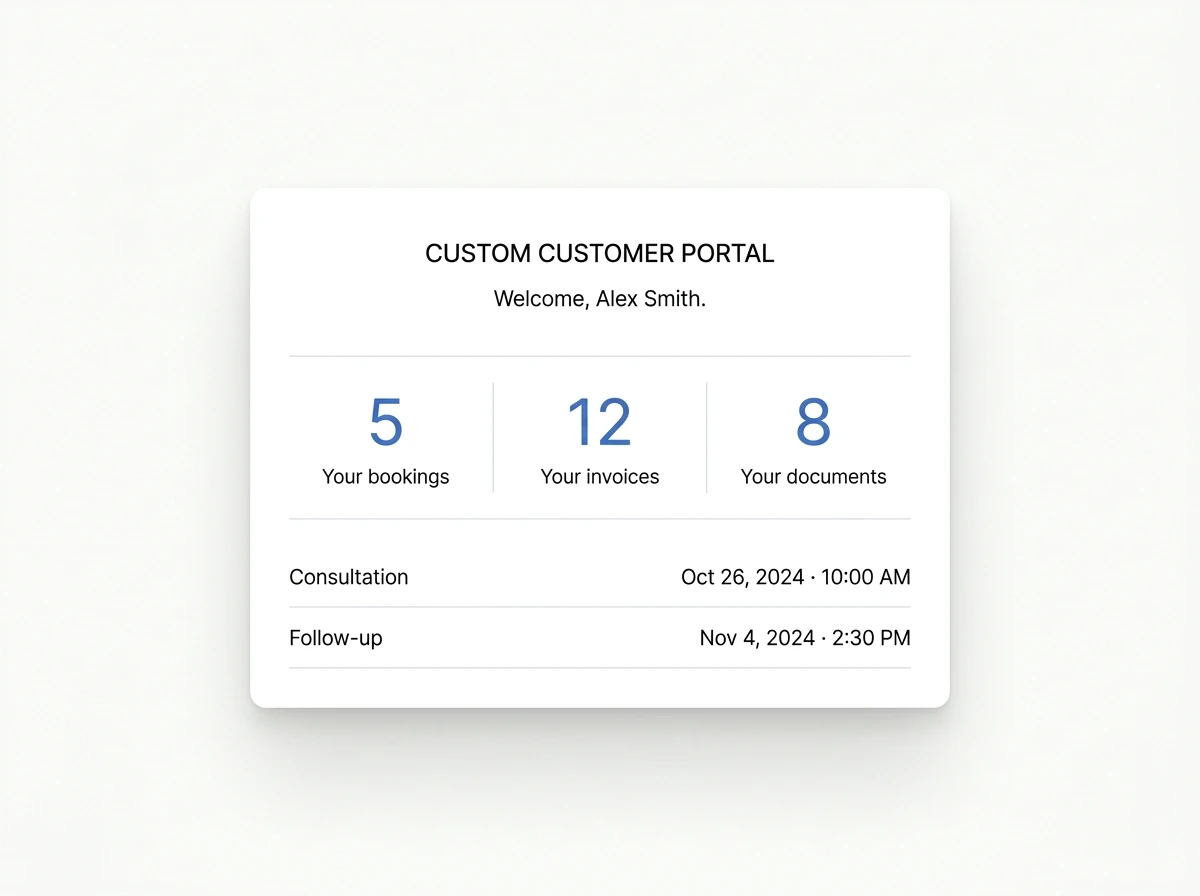
Agentbox, VaultRE or Rex holds the contacts and the campaigns. realestate.com.au and Domain hold the listings. PropertyMe or Console holds the property management side, and the sign-in app holds the open home list. What none of that technology does is write to those people on your behalf, which is why it still lands on an agent at nine at night.
Individually each of those takes a few minutes. Across a weekend of open homes they are the reason Sunday night is admin. The audit maps them in your own CRM and puts a number beside each one before anything is built.
Property management is the half of the industry where this pays back fastest, because the message volume is higher and almost none of it needs judgement. A portfolio of two hundred properties generates arrears reminders, routine inspection notices, lease expiry warnings and maintenance updates on a schedule you can read off the data. Sales is the half where speed matters more than volume: a buyer enquiry answered in two minutes rather than two hours is the whole difference.
Integration is the boring part and it is where most of this either works or does not. Every platform above can already tell another system when something happened. Nothing is replaced, nothing is migrated, and no listing data leaves the systems you already pay for.
It will not appraise a property, it will not quote a price, and it will not tell a buyer or an owner anything about value. Anything somebody would rely on stops and waits for an agent.
This matters here because property advertising is regulated and because a number said casually becomes a number somebody heard. The line gets drawn before anything is built rather than after somebody complains.
Where the work is genuinely repeatable and written down, it runs. Where it is not, it stops and waits, and every message it sent can be read afterwards.
The follow ups that only happen when somebody remembers go on a list, and the one costing the most listings comes off it first. The wording gets approved before anything is built, and it runs watched before it runs alone.
The first one is the open home follow up, because that is where the most people go cold in the shortest time. The next starts once that one is running.
Half a morning. What goes out after an open home, when, and what happens when somebody replies asking a question. Most agencies have never had this written down.
A rough number goes beside each one. The open home list usually wins, because it is the largest group of interested people the agency will touch all week.
Every message goes out in the agency's name, so it gets written the way the agency talks and signed off before it exists as anything but words on a page.
Most agency CRMs can already tell another system when a contact is added or a campaign changes. Nothing gets replaced and nothing gets migrated.
For a fortnight, with a person approving each message before it sends. That fortnight finds the buyers and owners nobody predicted, before one of them meets it.
A job is finished when nobody in the office is thinking about it any more. That is the signal to start the next one, rather than a date on a plan.
Writing down how the follow up actually happens takes longer than building it. The first job runs watched inside a fortnight, and each one after it is shorter because the connections already exist.
The first thing an agency notices is that Sunday night stops being admin. What follows is a campaign where the owner has heard from you every week without anybody having written the update by hand.
Ask whose CRM it runs in, who owns the contact list, what it is forbidden to say about price, and what you keep if you stop paying. Those four answers separate a build you own from a subscription you rent.
These are worth asking of anybody, including this one, so the answers given here sit under each question.
Ask about pricing in the same breath. One monthly fee covering the building, the support and the monitoring is a different thing from a per agent licence, and the second one grows every time you hire. It should not cost more to answer a buyer because the sales team got bigger.
All of this can also be built in house, and plenty of agencies do it well. The six steps above are the same either way.
If you do one thing after reading this, take last weekend's open home list and count how many of those people have heard from the agency twice. That number is what a first call would ask for. Ask for the free report and it comes back with it.
Related reading from us: AI For Small Business and AI For Trades.
The open home follow up, the enquiry that arrives out of hours, the weekly owner update, and a first draft of listing copy that starts from the real property details.
No. It never appraises and it never estimates. It arranges the conversation where an agent gives the number.
It goes out in the agency's words and it carries something about the actual property, because an agent writes and approves it before anything is built.
It produces a first draft from the property details and the photographs. An agent reads, changes and approves it before it goes anywhere.
No. The build goes around what you already run, connecting your existing systems rather than replacing any of them.
The open home follow up, because it is the largest group of interested people the agency touches all week and the one that goes cold fastest.
The agency does, in accounts in its own name. That gets settled in writing before anything is built.
One monthly fee covering everything, month to month, with no lock-in contract. What it comes to depends on the agency, so the number gets given on the call.