
For Newcastle businesses
Local SEO
in Newcastle.
Help people nearby find your business and understand why it suits them.
Tell us about your business and what you need.



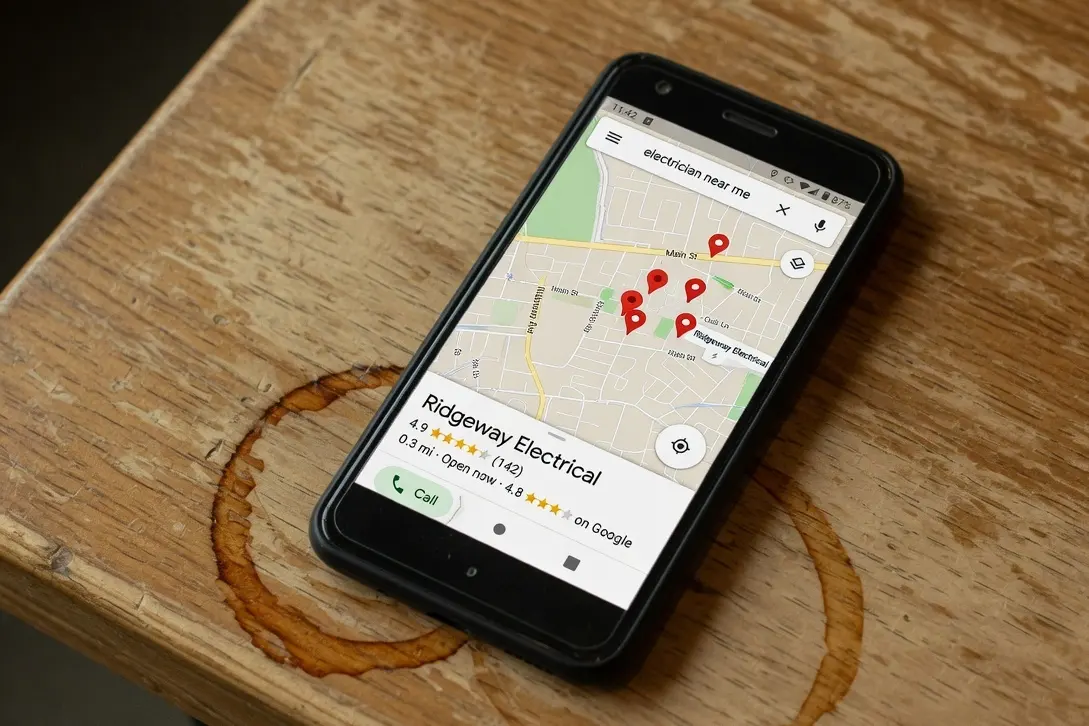
Local SEO at spareday
Be easier to find in the areas you serve.
Local SEO brings your Google listing, website and business information together so people searching nearby can find the right service.
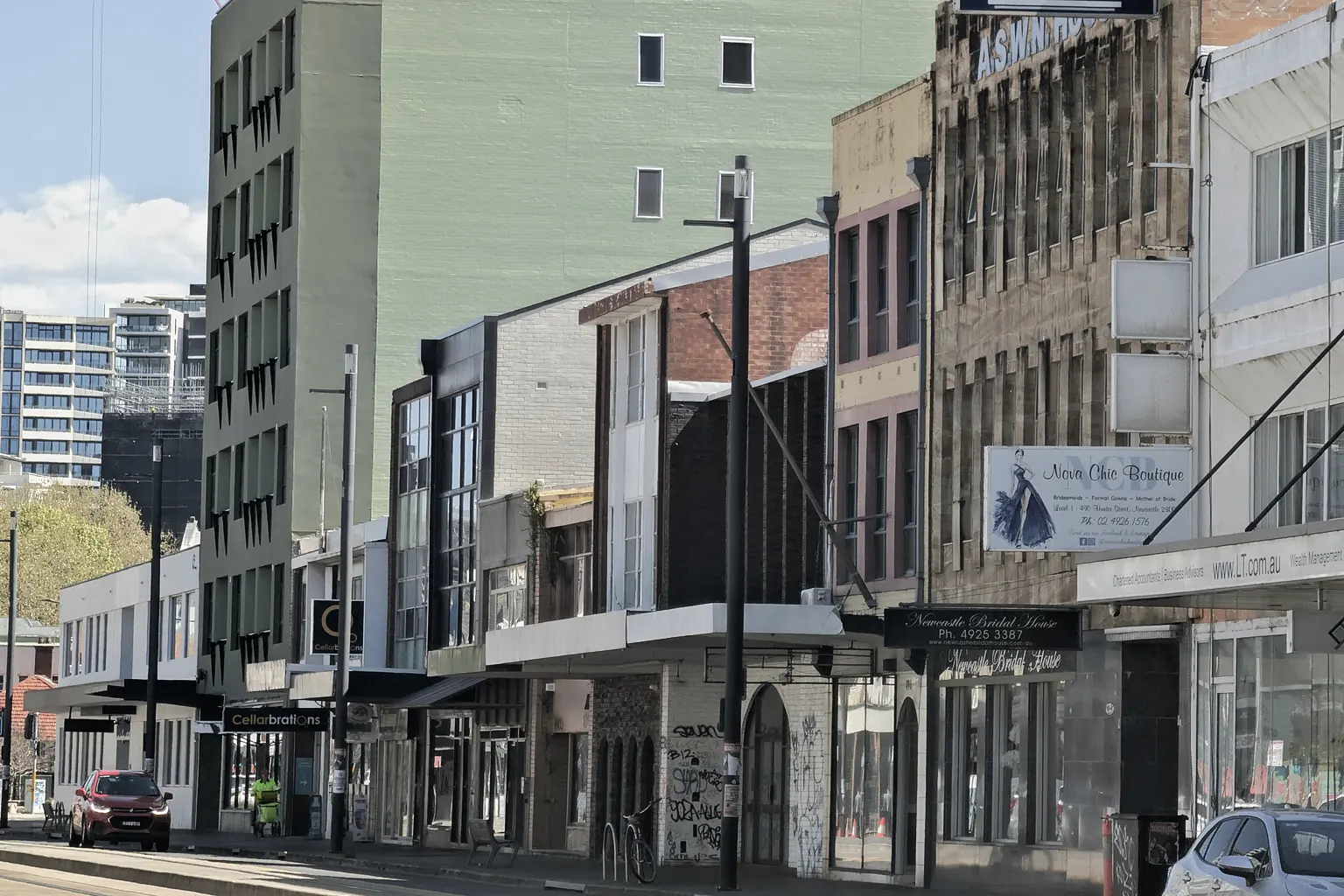
spareday provides local SEO in Newcastle, Lake Macquarie and the Hunter. We review how your business appears in search, improve the pages and listing customers find, and track the areas where your visibility changes. You help us choose the services and locations that matter to your business.
What’s included
Your listing, website and local reputation.
A local search can show map listings alongside ordinary website results. We look at both, because a customer may call from your listing or visit the website to read about a service before deciding.
- A complete Google listing
- Your categories, services, hours, photographs and contact details reviewed through Google Business Profile optimisation.
- Useful service pages
- Pages explaining the work you do, where you do it and what a customer needs to know. We improve existing pages where they already serve that purpose.
- Consistent business information
- Checks of the business details people find on your website, listing and relevant directories, with outdated information corrected.
- Customer review requests
- A practical way to invite genuine customer feedback and respond to it. Our Google review service covers the ongoing work.
- Local visibility reporting
- Search positions measured across the places you want to serve, alongside enquiries and the work completed. Google Maps SEO explains the location-based checks.
How it works
Start with the business, then the search results.
Tell us which work is a good fit, where you can travel and which services you want to grow. That gives the research a useful starting point.
- Review what is there
- We check the website, Google listing and current visibility, including any reports you already have.
- Choose services and areas
- We compare relevant searches with the businesses appearing for them, then agree what to work on first.
- Improve the information customers see
- We update the listing, write or improve service pages and organise the review requests. You confirm the business facts and supply real photographs.
- Check the changes over time
- Reports show the searches and locations being measured. We review those alongside the enquiries you receive before deciding what comes next.
How local search works
Relevance, distance and reputation all matter.
Google’s local-ranking guidance describes relevance, distance and prominence: how well the business matches a search, how near it is, and how well known it is. Accurate information, useful pages and genuine reviews give us work to do; your physical location remains a constraint.
In our September 2026 Newcastle trades study, we checked eight trades from 49 points across the city. No listing appeared in the top three at every point. It was a one-day snapshot of those searches, not a prediction for another business.
If you visit customers rather than receiving them at your address, the listing needs to reflect that. Our guide to local SEO without a shopfront explains the distinction. We also cover possible reasons a business is missing from Google Maps.
Fixing incomplete information is different from earning a search position. The time needed depends on the starting point, competition and how Google processes changes. Read more about how long SEO takes before comparing a proposed timetable.
Choosing your areas
Aim at the places you actually want to work.
A business serving a broad area needs to distinguish its location from the places it travels to. We use your real service coverage when planning pages, and include local work and details where you can substantiate them.
We work across Newcastle, Lake Macquarie, Maitland, Port Stephens and the Hunter Valley; see where we work for the full area.
An area page should help a customer decide whether you can do their job; naming a suburb does not guarantee a place on its map.
When comparing proposals, ask which services and locations are included, what gets changed and how results are reported. Our guides to local SEO pricing and Newcastle SEO agencies help with that comparison.
From clients
What clients say about working with spareday

“Huge shoutout to Reece for building my website for Hughesys Painting Services. Since it went live my phone hasn’t stopped ringing.”

“He created a stunning website for us that captures and nurtures leads with an automated email marketing system, which has filled a huge gap in the business and saved a lot of time (and money!).”

“He didn’t just build me a great website, he created an easy-to-manage system that allows me to make updates myself whenever I need to. He has spared me so much time doing all of this myself!”
“He was able to take our rough ideas, from concept through to reality. The site has provided an influx of new members, helping to keep our club viable.”
Official guidance
For Google’s own rules, read its guidance on improving your local ranking and the Business Profile guidelines.
A few practical details
Before we get started.
Do I need a new website for local SEO?
Not necessarily. We review whether your existing site explains your services clearly, works on a phone and lets people enquire. Where it already does those things, we can focus on the gaps elsewhere.
Can you get my business into the top three?
We can work on the factors within your control and measure changes. Google decides which businesses appear, and results vary by search and location, so we do not promise a top-three position.
Can I cover Newcastle and Lake Macquarie?
We can plan around both if your business genuinely serves them. The scope depends on the services, existing pages and visibility in each area. A broader service area does not remove the distance factor.
What do you need from me?
Your website and Google listing details, service list, real service areas, business photographs and any existing search reports. We also need your view of which enquiries are a good fit.
What does local SEO cost?
We discuss the work needed and provide a quote showing the setup and ongoing service fees. Any advertising budget is separate from those fees.

Who you’ll work with
Hi, I’m Reece.
I’m based in Newcastle and handle the website and search work at spareday. You’ll speak with me about the services you want to be known for and the areas you want to work in.




Find us
spareday in Newcastle.
12 Grey Street, Wickham, Newcastle NSW 2293.
Your next step
Tell us where you want to be found.
Share your website, the services you offer and the areas you cover. We’ll discuss the work needed and put together a free growth plan, price included.
Or call 0485 017 387.