
For Newcastle businesses
AI receptionist
in Newcastle.
Give callers a way to ask routine questions, leave useful details and request an appointment when your team is busy.
Tell us about your business and what you need.



How spareday helps
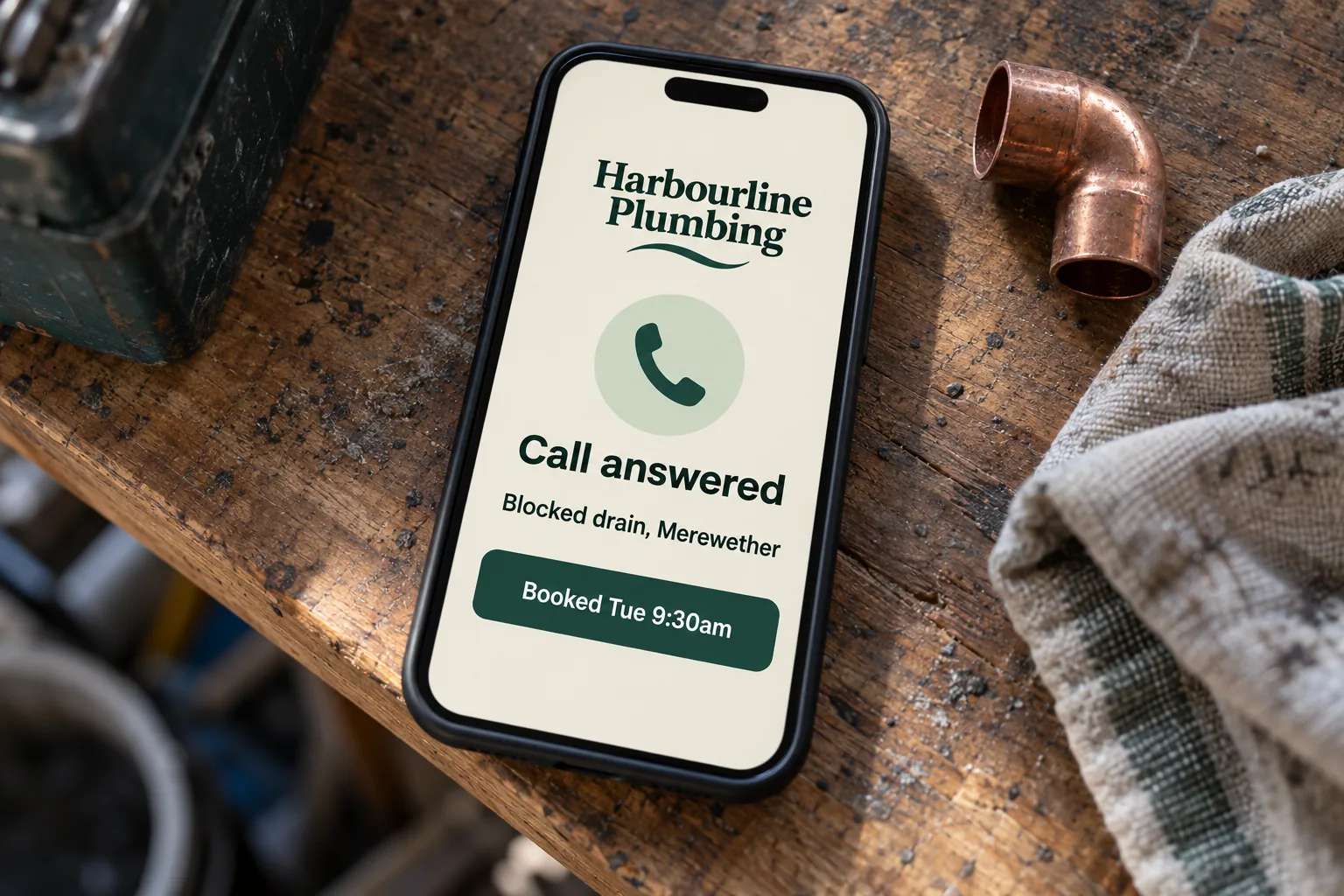
Answer from the facts your business approves.
An AI receptionist in Newcastle is software that answers calls in a voice, works through routine questions and passes requests to your team. Booking is added where the calendar connection and rules support it.
spareday sets up the wording, business information and handover rules around the calls you receive. Start with the coverage you need, such as calls while staff are occupied or outside your usual hours, and agree what the assistant can handle.
What’s included
The conversation and what happens afterwards.
A useful receptionist needs a clear next step for every kind of call it is expected to handle.
- Approved business answers
- Provide your hours, service area, services and booking instructions. Those become the assistant’s agreed source for routine answers.
- Useful messages
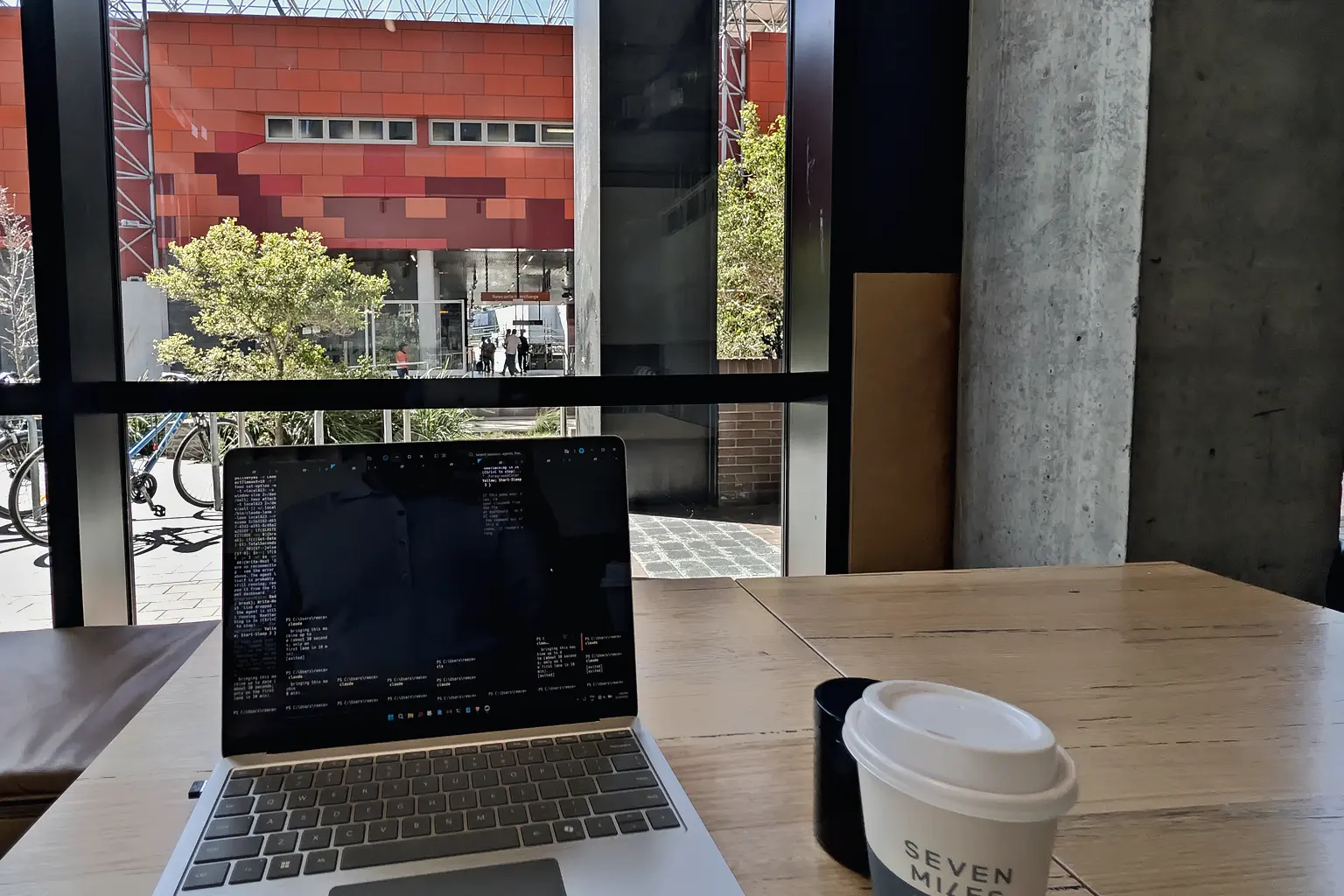
- Agree which details staff need to return a call, where the message goes and who is responsible for following up.
- Handover to a person
- Set the transfer or callback route, including the fallback when the receiving person cannot answer.
- Appointment requests and booking
- Check the calendar, appointment types and confirmation rules before enabling direct bookings.
- Wording and review
- Use examples of your business’s tone, test the limits and agree how calls and changes will be reviewed.
How it works
Build around the number customers already use.
We check your phone setup before recommending how calls should reach the assistant. The available forwarding and transfer options depend on that setup.
- Review call coverage
- Tell us when calls are missed and what people tend to ask. Decide which calls should continue to reach your team directly.
- Write the facts and limits
- Agree the greeting, questions, details to collect and requests that need a person.
- Test the complete call path
- Check routine calls, unclear requests and handovers, including what happens when staff are unavailable.
- Review before extending it
- Check the early conversations and make corrections. Add calendar booking only after its permissions and behaviour have been tested.
Clear boundaries
Keep job-specific advice with your team.
The assistant should make clear that it is an automated assistant. It should explain when a request needs someone from the business, rather than guess a price, promise an appointment or give advice outside its brief.
Agree what happens when a caller asks for a person, changes their mind or provides too little information. A message needs a named destination and enough detail for someone to act on it.
Call records and customer details need an agreed access and retention arrangement. Discuss what is collected and how staff review it before switching the service on.
Choosing the right coverage
Match the service to the calls you receive.
If your main need is a reply after an unanswered call, a missed-call message may be a smaller project than voice answering. Our phone answering service page discusses the options; virtual reception covers the comparison with a person answering remotely.
For direct booking, read about an AI receptionist that books appointments and booking reminders. The broader AI for small business guide covers other administrative tasks.
Compare setup, call usage, ongoing support, number ownership and how you would leave or change providers. These belong in the quote, together with the agreed scope.
For independent background on choosing and checking AI tools, see the Australian Government’s AI in business guidance.
From clients
What clients say about working with spareday

“He created a stunning website for us that captures and nurtures leads with an automated email marketing system, which has filled a huge gap in the business and saved a lot of time (and money!).”

“He didn’t just build me a great website, he created an easy-to-manage system that allows me to make updates myself whenever I need to. He has spared me so much time doing all of this myself!”
“He was able to take our rough ideas, from concept through to reality. The site has provided an influx of new members, helping to keep our club viable.”

“Huge shoutout to Reece for building my website for Hughesys Painting Services. Since it went live my phone hasn’t stopped ringing.”
Official guidance
For independent background, read the official guidance on AI in business and choosing digital tools.
A few practical details
Before we get started.
Can I keep my existing business number?
We check your current provider and call routing first. The aim is to work with the number customers already use; any forwarding or number changes are agreed before implementation.
Can it book directly into my calendar?
Where a suitable calendar connection is available and tested, yes. Otherwise it can collect an appointment request for your team to confirm.
What happens when it cannot answer a question?
It follows the agreed transfer or callback route. We also set a fallback for when the receiving person cannot answer.
Can it quote a job price?
Job-specific pricing stays with your team. The assistant’s permitted answers and actions are agreed before it handles customer calls.
What do you need to quote the service?
Your current phone setup, desired hours of coverage, common call types and whether booking is needed. We’ll discuss these before providing a free growth plan.

Who you’ll work with
Hi, I’m Reece.
I run spareday from Newcastle. Tell me what your business needs and what is already in place. I’ll work through the scope with you and explain the proposed work before you decide.



Find us
spareday in Newcastle.
12 Grey Street, Wickham, Newcastle NSW 2293.
Your next step
Tell us when your phone needs covering.
Share your current phone setup and the calls you want help with. We’ll discuss the options and send a free growth plan, price included.
Or call 0485 017 387.