
For Australian mortgage brokers chasing documents by hand
What the document chase and the fixed rate expiries cost you, and which part of it runs on its own.
A report on your own book, showing which follow ups only happen when somebody remembers, and what a missed fixed rate expiry costs you.
 By Reece Rainer
spareday, Newcastle NSW
Last updated
13 September 2026
Read time
9 minutes
By Reece Rainer
spareday, Newcastle NSW
Last updated
13 September 2026
Read time
9 minutes

A passion-driven, good-hearted and reliable service provider with the competency of a genius when it comes to software engineering, AI technology and marketing.
He was able to take our rough ideas, from concept through to reality. The site has provided an influx of new members, helping to keep our club viable.
Excellent in all facets of web design with particular expertise in SEO and email marketing. Online visibility has skyrocketed since working Reece which translates as flawless customer relations, new leads and new customers.
The advice is what clients come to you for. The chase around it is not, and it takes the same hours out of every week: the payslips that never arrived, the client who has not signed, the fixed rate rolling off next month that nobody has rung about.
None of that needs your judgement. It needs somebody to remember, and in a busy month nobody does it consistently. What follows is which parts of it run on their own, what it will not touch, and the order worth doing it in.
It does the chasing and the remembering. The documents after an appointment, the client who has gone quiet, the fixed rate coming to an end, and the past client nobody has spoken to in two years.

AI for mortgage brokers is the chasing and the remembering, and it stops well short of anything a client would call advice.
Two different things get called AI, and only one of them matters here. The first is automation, which means a job that starts on its own: an appointment finishes, so the document list goes out. The second reads what a client wrote back and answers it in your words, which is what turns a reminder into something people actually reply to.
All of that is work a broker already knows should happen. It happens in the month it should, instead of in the month somebody finally gets to it.
They leak in the gaps. A deal stalls waiting on one document, a fixed rate rolls off without a call, and a past client goes to whoever contacted them first. All three are failures of remembering rather than of advice.
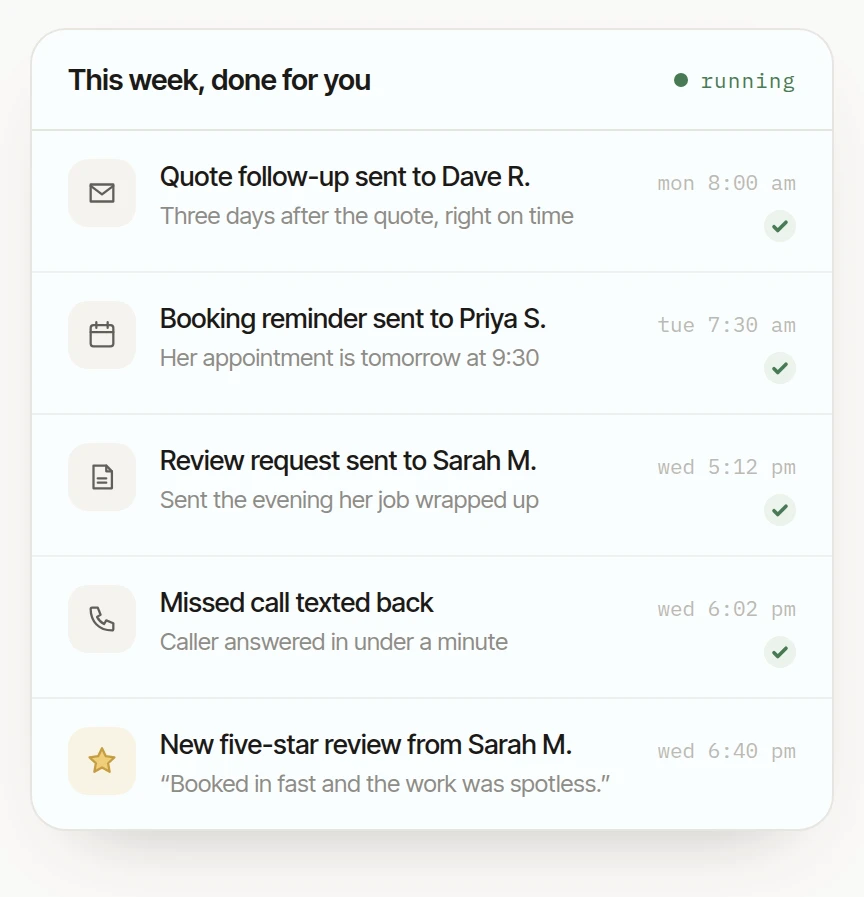
Watch what happens to a document request after an appointment. It goes out on Tuesday. Some clients send everything, some send half, and some send nothing. Working out which is which, and writing to each of them separately, is the job that never quite happens in a busy week.
The cost of that is not an hour. It is a settlement that lands a month later, or a client who refinances with somebody who rang them first. Neither shows up as a missed task anywhere, which is exactly why it keeps happening.
The Australian Securities and Investments Commission's guidance on using a mortgage broker tells consumers to expect a broker to stay across their loan, and the brokers who do that consistently are the ones who did not leave it to memory.
Nothing here asks you to change systems. The work happens in the CRM and the tools your business already pays for, and the value is in the handoffs between them rather than inside any one of them.
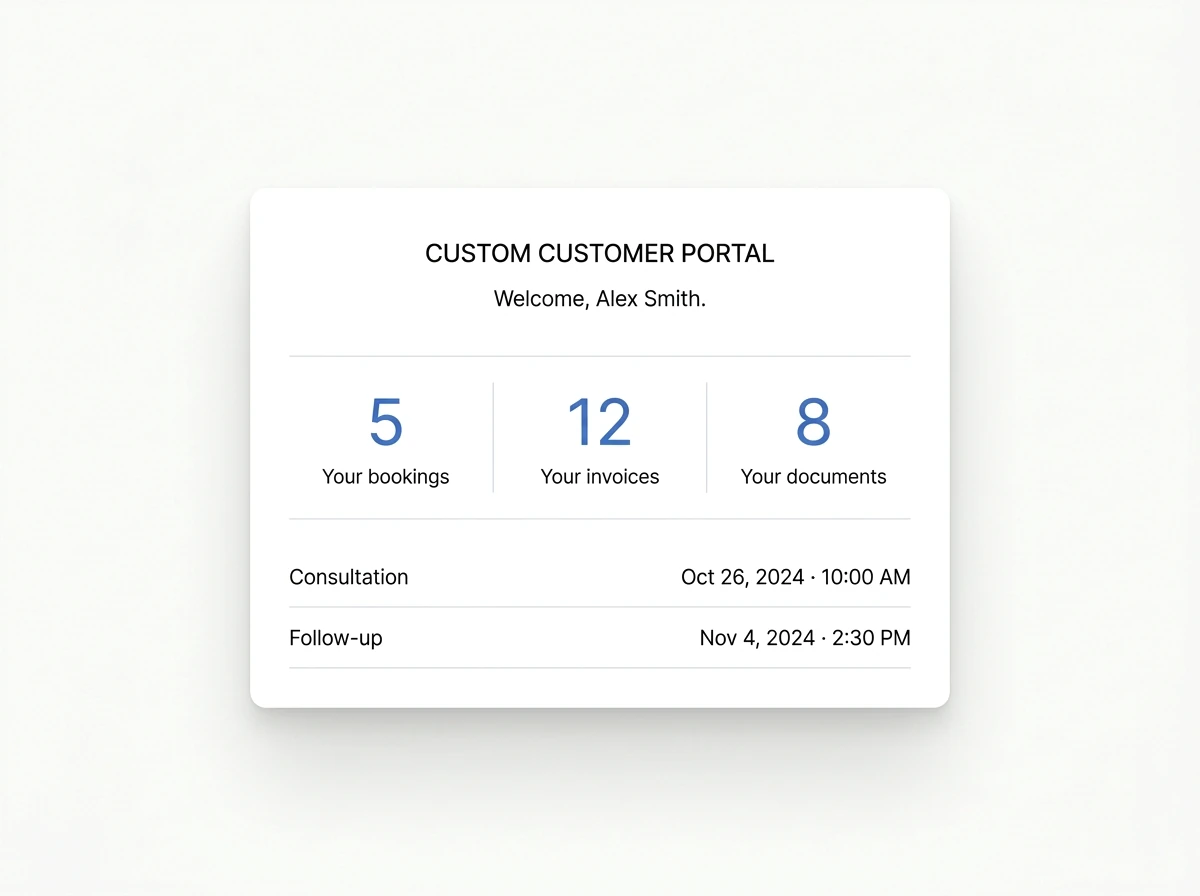
Your CRM holds the deals, your lodgement platform holds the applications, and your document store holds the files. What none of them does is chase a client on your behalf, which is why a person is still doing that by hand.
Individually each of those takes a couple of minutes. Across a full pipeline they are the difference between a month that settles and one that slips. The audit maps them in your own stack and puts a number beside each one before anything is built.
It gives no advice. It makes no recommendation, it forms no view about what suits a client, and it decides nothing about a loan. Every record it drafts is reviewed and signed by you.
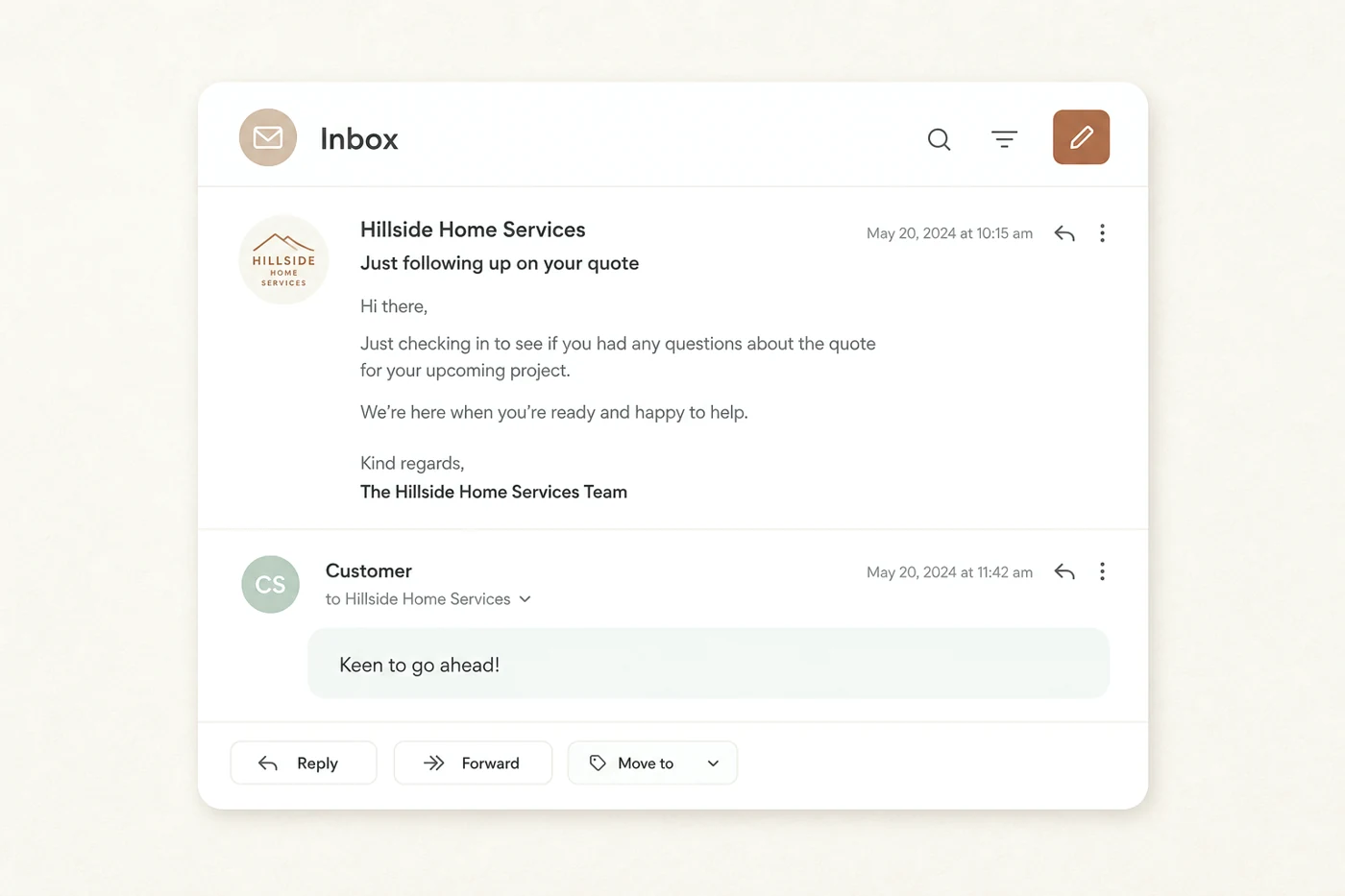
This matters more here than in most industries, because the advice goes out under your name and your credit licence. The automation handles the layer around it and stops at the edge of anything requiring your judgement.
Where the work is genuinely repetitive and written down, it runs. Where it is not, it stops and waits for you, and every run is logged so you can read what it did.
The follow ups that only happen when somebody remembers go on a list, and the one costing the most settlements comes off it first. The wording gets approved before anything is built, and it runs watched before it runs alone.
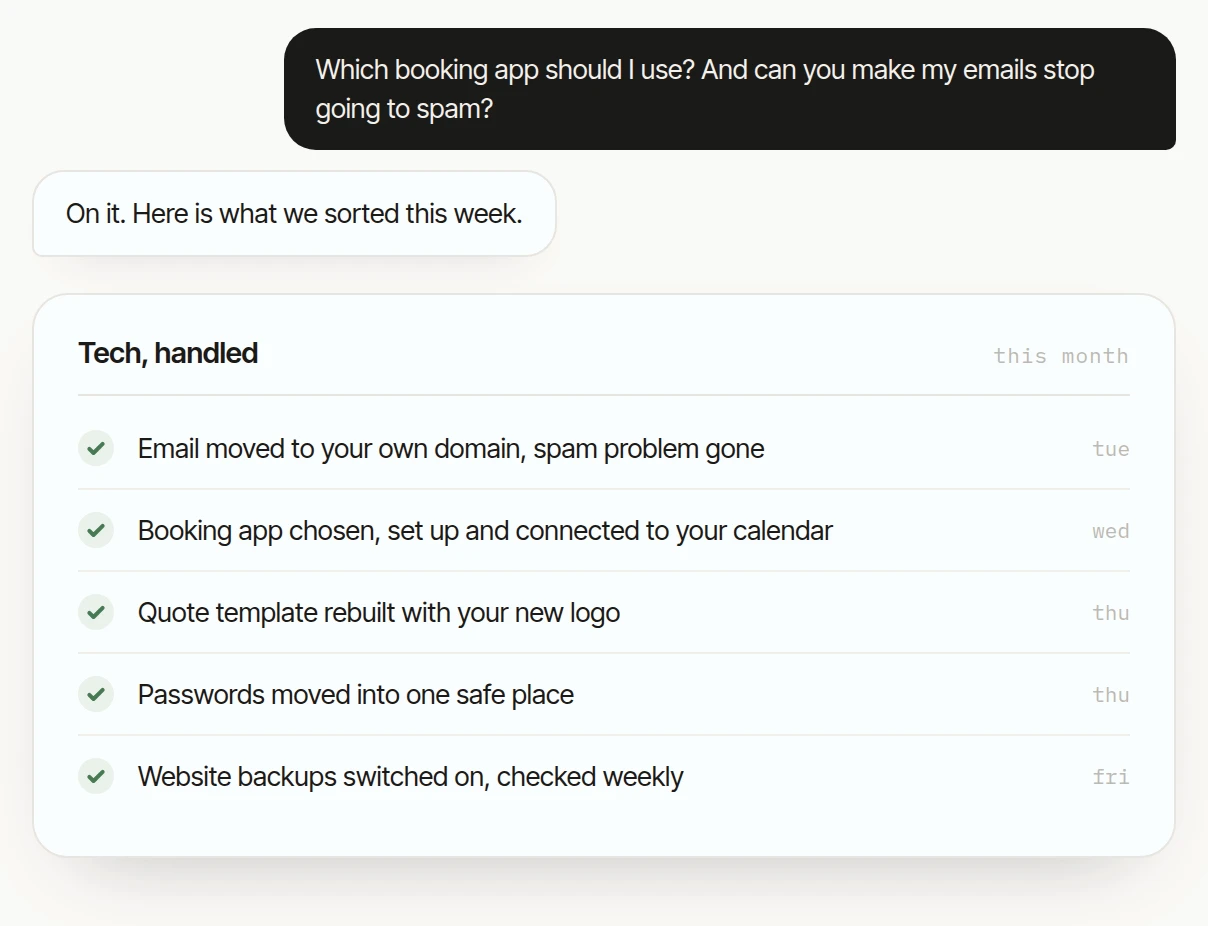
The first one is the document chase, because it is the one holding up the money. The next starts once that one is running.
Half a morning. What goes out after an appointment, when, and what happens when a client sends half of it. Most brokers have never had this written down anywhere.
A rough number goes beside each one. The document chase usually wins, because everything downstream of it is waiting.
Every message goes out in your name, so it gets written the way you would write it and signed off before it exists as anything but words on a page.
Most broking CRMs can already tell another system when a deal changes stage. Nothing gets replaced and nothing gets migrated.
For a fortnight, with a person approving each message before it sends. That fortnight finds the client situations nobody predicted, before a client meets one.
A job is finished when nobody in the business is thinking about it any more. That is the signal to start the next one, rather than a date on a plan.
Writing down how the chase actually happens takes longer than building it. The first job runs watched inside a fortnight, and each one after it is shorter because the connections already exist.
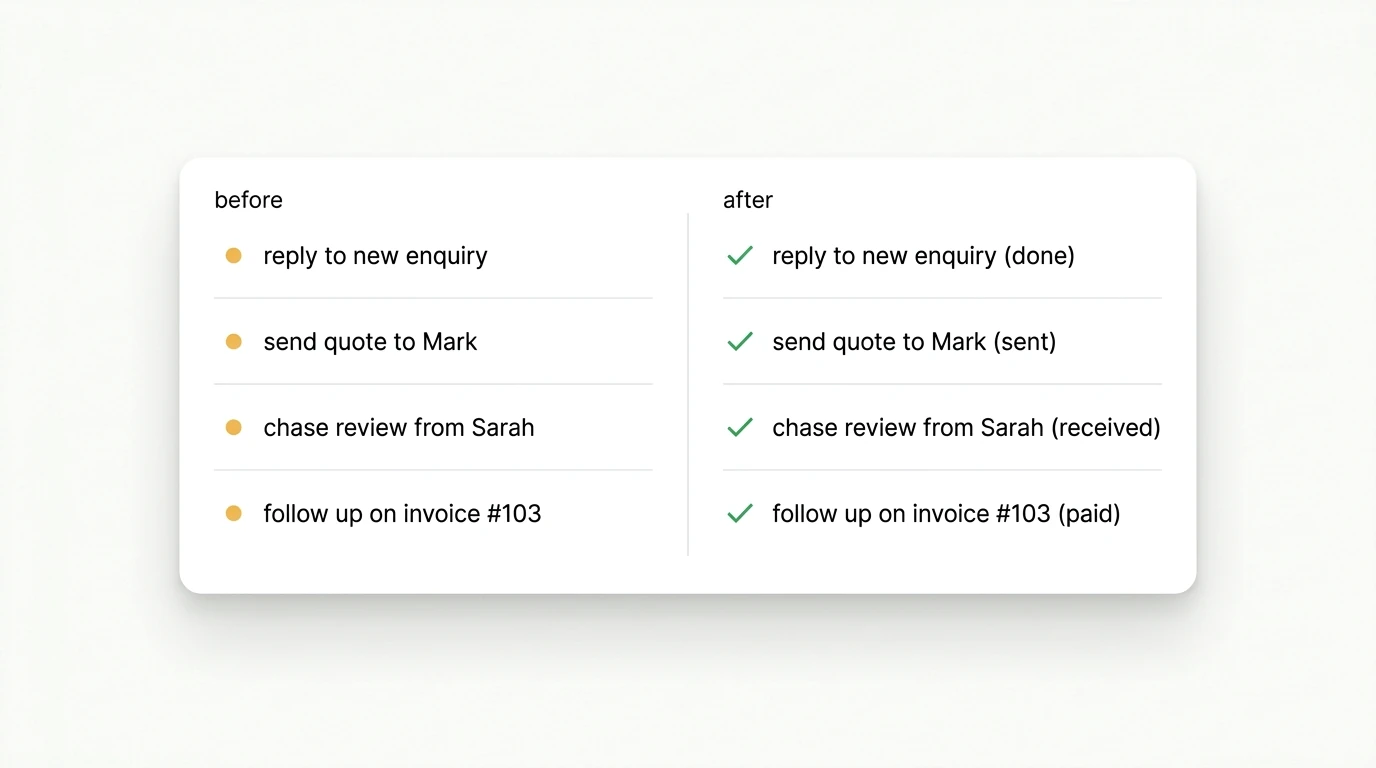
The first thing a broker notices is that the chasing stops being anybody's job. What follows that is a month where files stop sitting still, because the reminders went out whether or not anyone had time to send them.
Ask where it runs, whose accounts it uses, what happens to client documents, and what you keep if you stop paying. Those four answers separate a build you own from a subscription you rent.
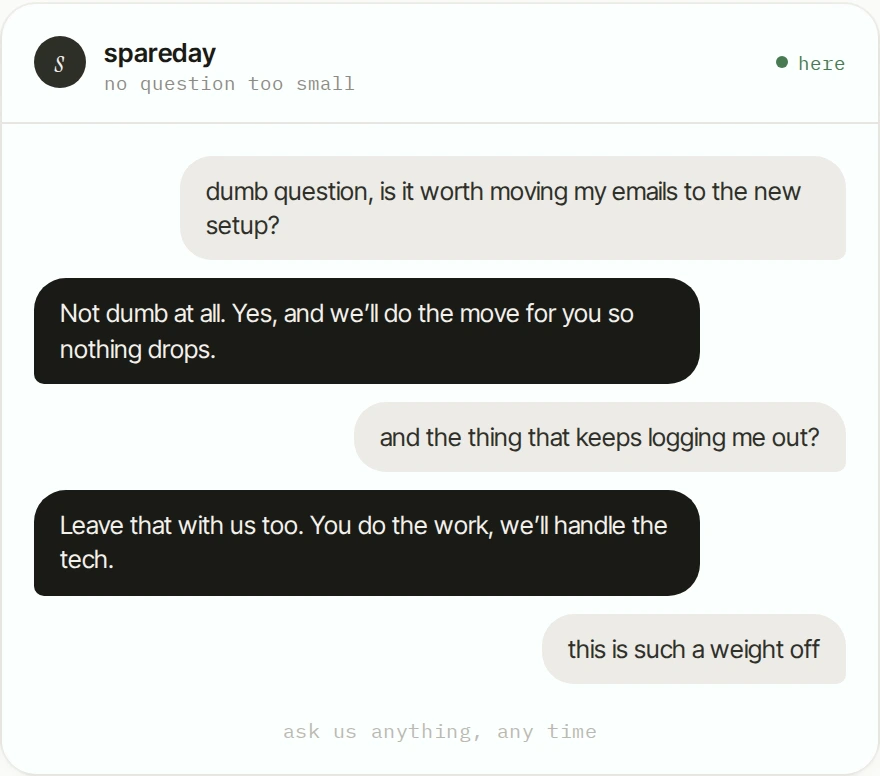
These are worth asking of anybody, including this one, so the answers given here sit under each question.
All of this can also be built in house, and plenty of brokers do it well. The six steps above are the same either way.
If you do one thing after reading this, list every client on your book with a fixed rate ending in the next six months. That list is what a first call would ask for. Ask for the free report and it comes back with it.
Related reading from us: AI for small business, AI for lawyers, AI Lead Follow Up For Mortgage Brokers, Google reviews for mortgage brokers and the enquiry that landed mid-appointment.
It does the chasing and the remembering. Documents after an appointment, the client who has gone quiet, the fixed rate coming to an end, and the past client nobody has rung.
No. It makes no recommendation and forms no view about what suits a client. Anything that is advice stays with you, under your name and your licence.
It can draft from what is already on the file so nothing is typed twice. What goes on the record, and whether it is right, stays your decision and your signature.
Payslips, statements and identity documents stay inside systems you control and are not handed to a public AI tool. The handling is agreed in writing before anything is built.
No. The build goes around what you already run, connecting your existing systems rather than replacing any of them.
They go out in your words, because you write and approve them before anything is built. Anything a client would notice as automatic is worth rewording before it sends.
The document chase after an appointment, because everything downstream of it is waiting on the documents arriving.
One monthly fee covering everything, month to month, with no lock-in contract. What it comes to depends on the business, so the number gets given on the call.