
For Newcastle businesses
Google Ads
in Newcastle.
Google Ads management for Newcastle businesses: the searches, the ads, the page behind each ad and enquiry tracking, with ad spend shown separately from our fee.
Tell us about your business and the work you want more of. We’ll look at how people search for your services and send a free growth plan, price included.



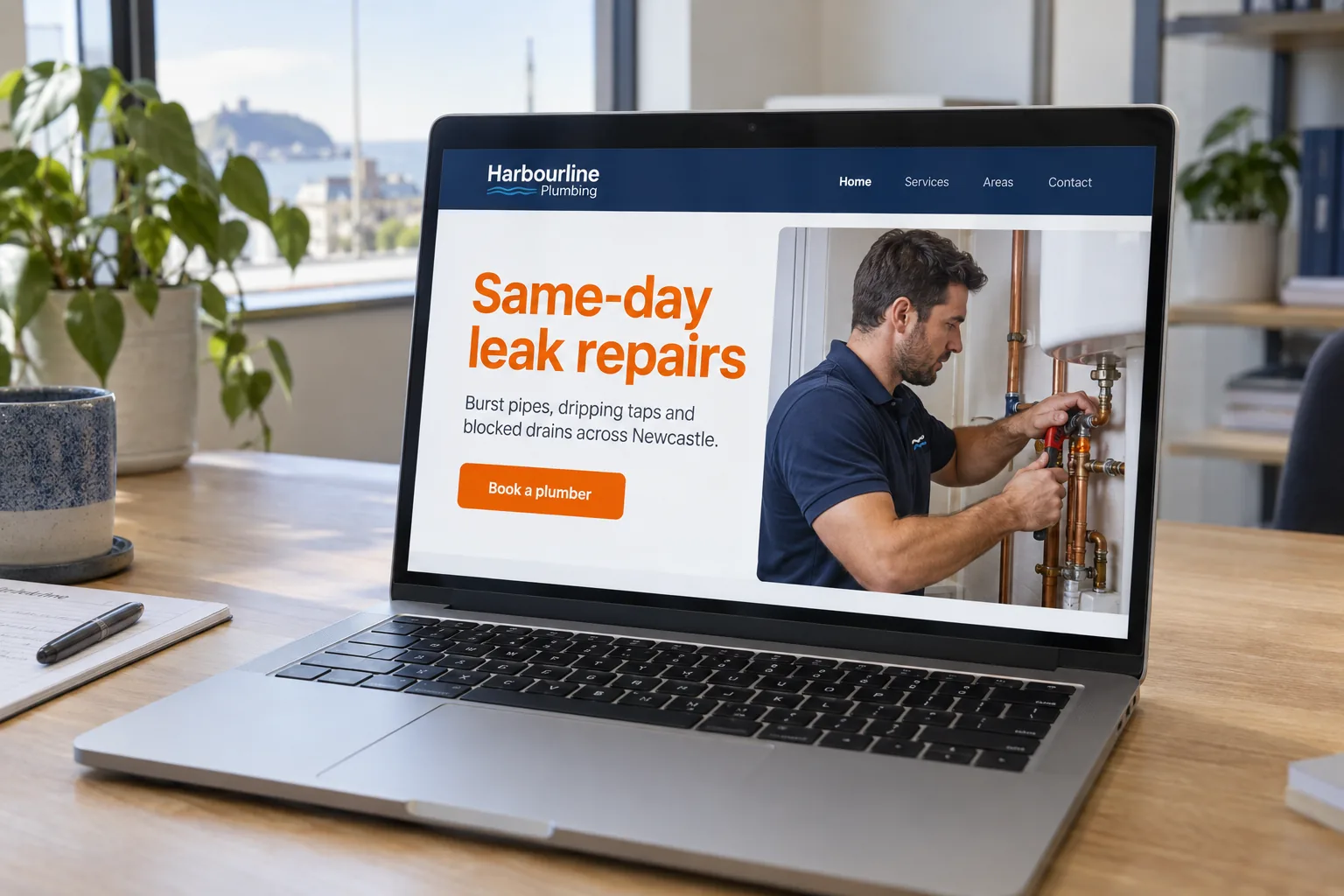
How we work
What you can expect from us.
- Tracking checked before launch
- The form or call tracking is tested before your campaign runs, so recorded enquiries can be counted from the first day.
- Fee and ad spend kept apart
- Your quote and reports show the service fee and the advertising spend as separate lines.
- One person, start to finish
- The person who plans your campaign is the one who reviews the search terms and results with you.
- Based in Wickham
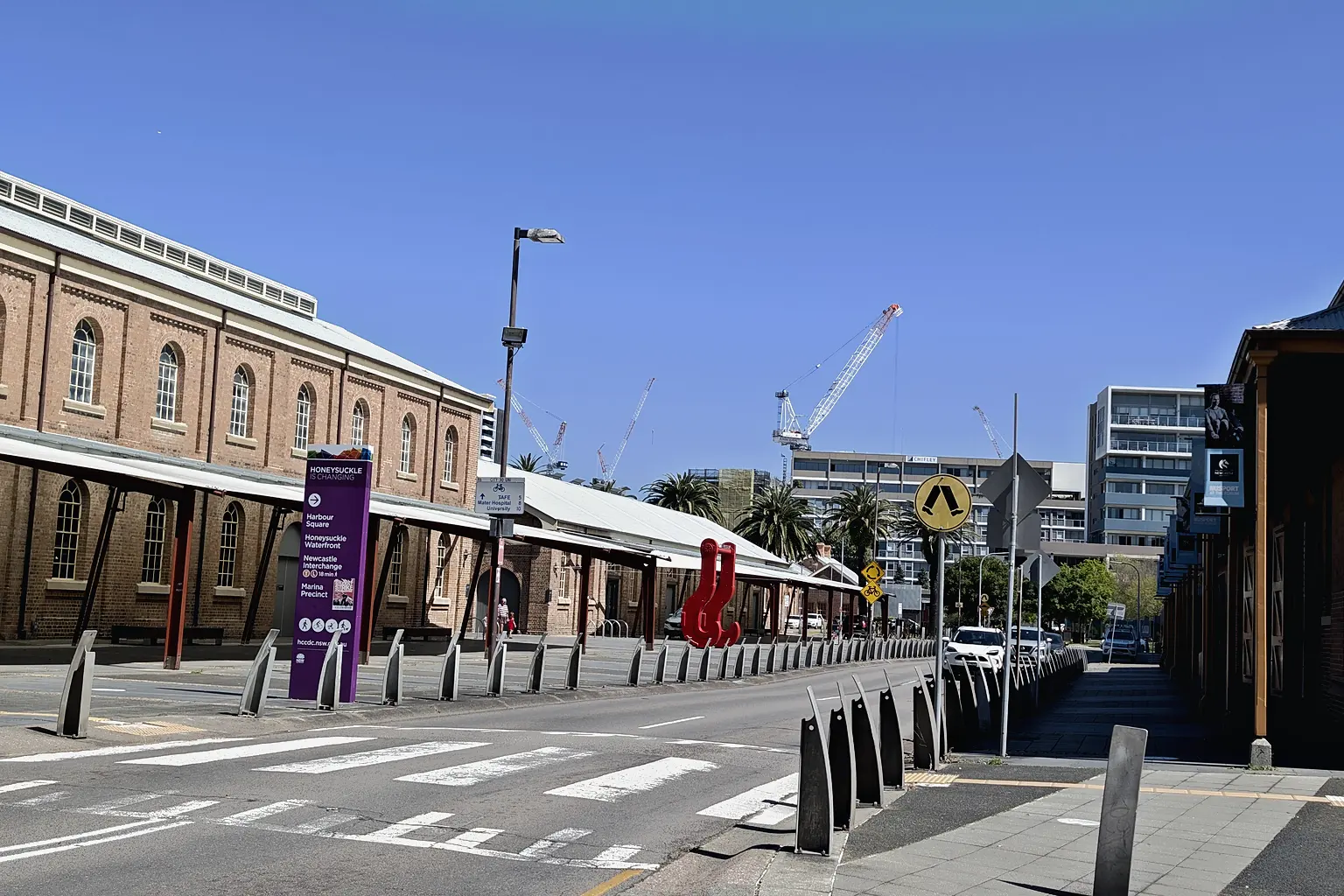
- Our office is at 12 Grey Street, Wickham. We work with businesses in Newcastle, Lake Macquarie and the Hunter.
What’s included
A campaign built around the work you want.
We review the services you want to advertise, the areas you cover and the page people will land on. The campaign and budget are agreed before it starts.
- Searches with a clear purpose
- A considered keyword list based on your services and the way customers search for them.
- Ads that match the service
- Clear ad text that tells someone what you offer and takes them to a page about that service.
- A relevant landing page
- A page that explains the offer and makes it easy to get in touch. Any new page work is named in your quote.
- Enquiry measurement
- Conversion tracking, which records agreed actions such as a submitted form or a phone call, checked before the campaign starts.
- Ongoing review
- Search terms, locations, spend and recorded enquiries reviewed so the campaign can be adjusted as evidence comes in.
How it works
Set the measurement up before the ads run.
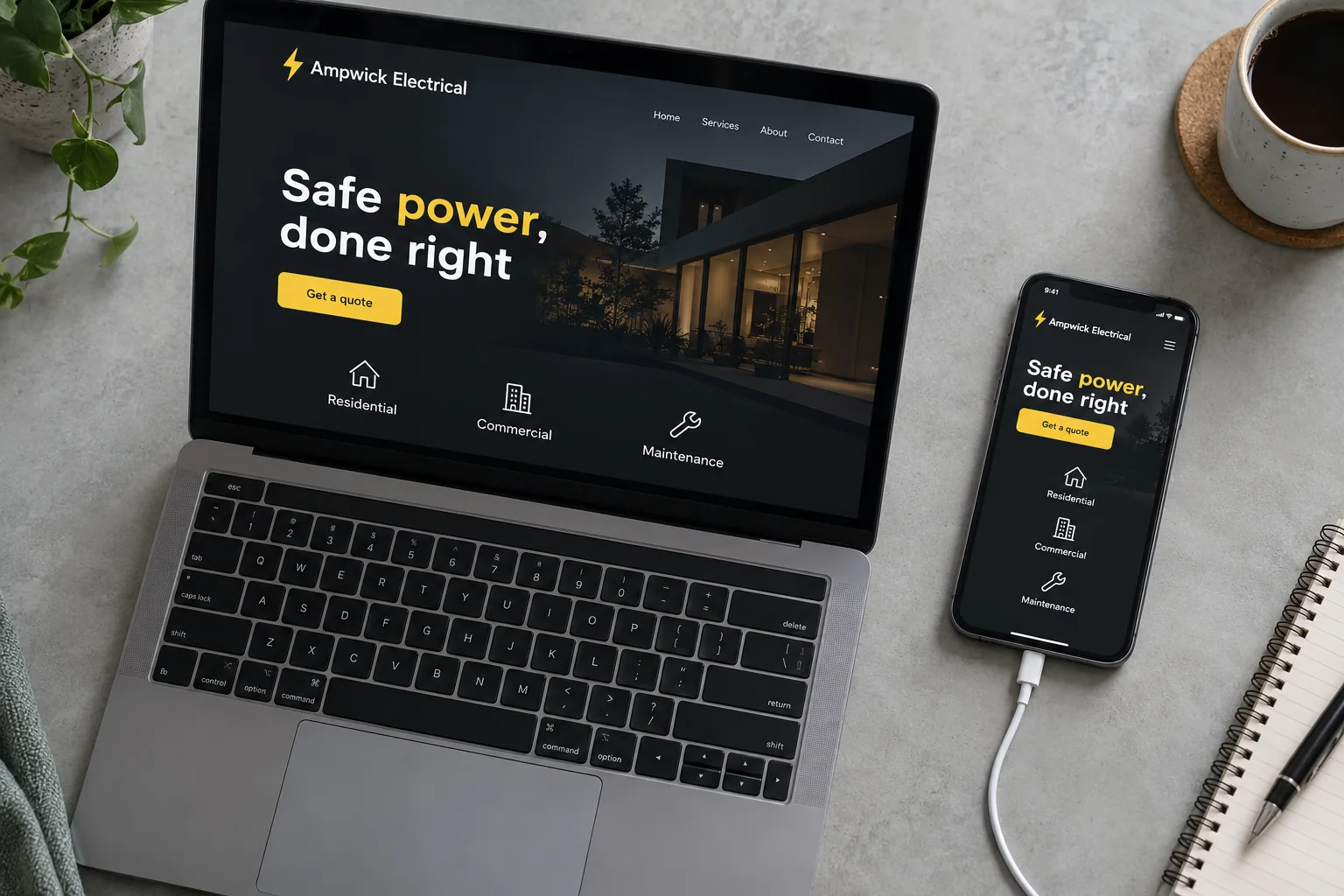
Your campaign needs a clear service, a suitable page and a practical way to record enquiries.
- Discuss the work you want
- You confirm the services, areas, budget and how the business will respond when someone enquires. We confirm which account the ads will run in and who will have access.
- Prepare the campaign and page
- We write the ads, choose the searches and locations, and review the page behind each ad.
- Check the enquiry route
- We check the form or call route and the agreed tracking before you approve the campaign to run.
- Review and refine
- Search terms and recorded results guide changes to keywords, ads, pages and budget allocation.
Using the budget carefully
Choose the searches and areas that fit.
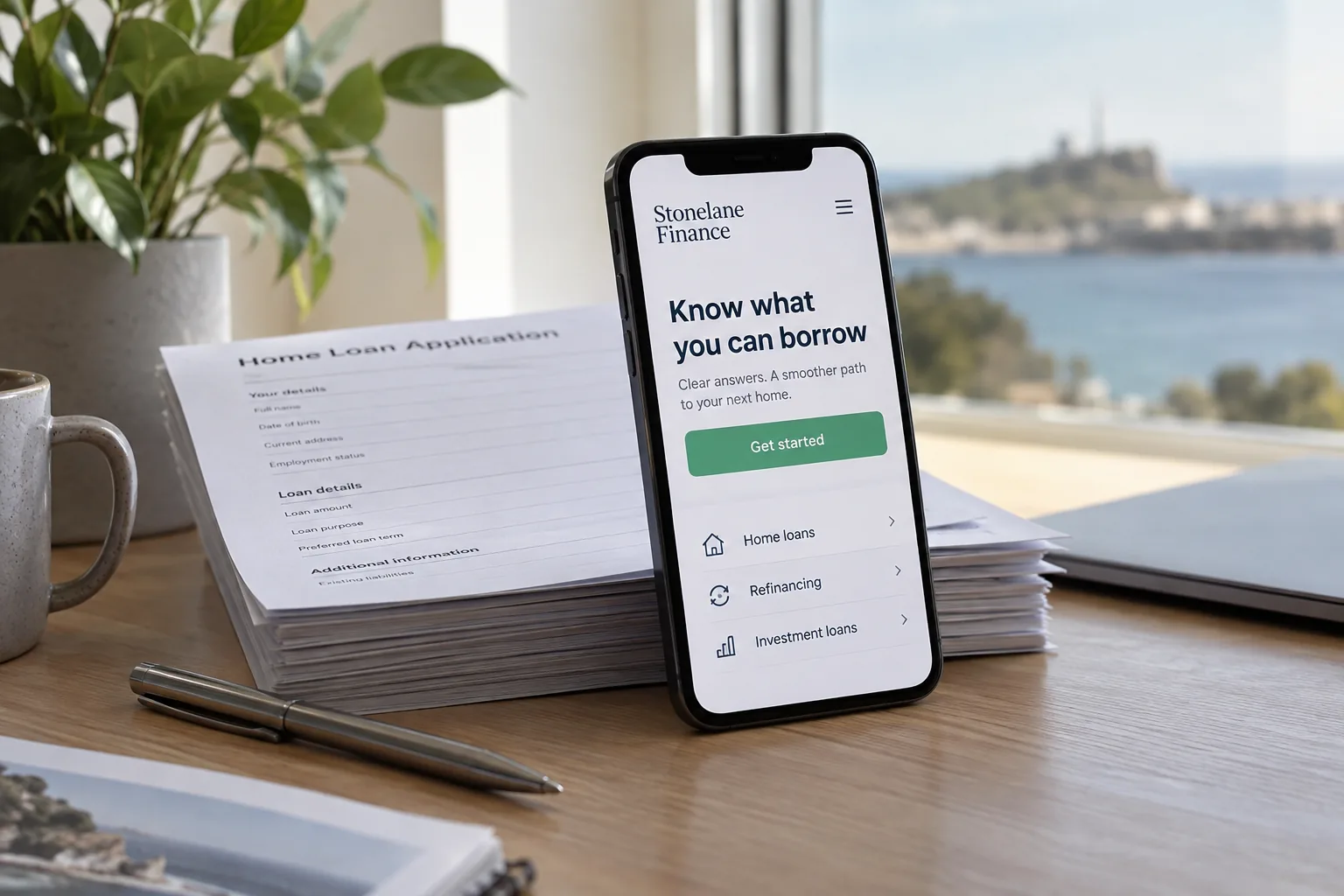
The search-terms report shows the words people typed before seeing or clicking an ad. Reviewing it helps identify searches that are irrelevant to your business. Negative keywords exclude searches you don’t want to pay for.
Location settings also need to match where you work. The guide to advertising from one location covers those decisions in more detail.
Understanding the result
Track the enquiry, then tell us what became work.
A click shows that someone visited. A tracked enquiry shows they took the agreed next step. Your feedback on the enquiry helps us understand whether the campaign is reaching suitable customers.
Reporting separates advertising spend from the service fee and shows recorded results. SEO and social media marketing may sit alongside search ads as part of the wider plan.
From clients
What clients say about working with spareday

“Huge shoutout to Reece for building my website for Hughesys Painting Services. Since it went live my phone hasn’t stopped ringing.”

“He created a stunning website for us that captures and nurtures leads with an automated email marketing system, which has filled a huge gap in the business and saved a lot of time (and money!).”

“He didn’t just build me a great website, he created an easy-to-manage system that allows me to make updates myself whenever I need to. He has spared me so much time doing all of this myself!”
“He was able to take our rough ideas, from concept through to reality. The site has provided an influx of new members, helping to keep our club viable.”
Official guidance
For independent background, read the official guidance on advertising your business and planning your marketing.
A few practical details
Before we get started.
Is Google Ads suitable for my business?
We look at search demand, your service area, the available budget and what a suitable customer is worth to the business. That review helps decide whether a search campaign is a useful fit. For a small business it works best when customers already search for what you sell and one job is worth enough to cover several clicks. If that is not the case, we will say so.
How much does Google Ads management cost?
Your quote separates the service fee from the advertising spend. Any landing page or measurement work is stated in the scope. See the guides to management costs and landing page costs.
Can you review an existing campaign?
Yes. We review the campaign settings, search terms, landing pages and recorded results before recommending changes. Tell us who currently manages the account and what access is available.
How quickly can ads bring enquiries?
An approved, active campaign can start reaching people quickly. The number and quality of enquiries depend on demand, competition, budget, the offer and the page. Enough recorded results are needed before judging which changes help.
Do I need a new website?
The page behind the ad needs to explain the service and make it easy to enquire on a phone. We review your existing site first and identify any page or tracking work needed for the campaign.

Who you’ll work with
Hi, I’m Reece.
spareday is my business, based here in Newcastle. You’ll speak with me about what you need, review the work with me and know who to contact when something needs attention.



Find us
spareday in Newcastle.
12 Grey Street, Wickham, Newcastle NSW 2293.
Your next step
Tell us which services you want to advertise.
Share where you work, your website and any campaigns already running. We’ll review the starting point and discuss a quote and advertising budget.
Or call 0485 017 387.