
For practices competing inside three kilometres
A small catchment and a short list, and the rules are different here.
A report on your own practice, showing where you rank across your actual catchment and which treatments you appear for.
 By Reece Rainer
spareday, Newcastle NSW
Last updated
13 September 2026
Read time
4 minutes
By Reece Rainer
spareday, Newcastle NSW
Last updated
13 September 2026
Read time
4 minutes
He was able to take our rough ideas, from concept through to reality. The site has provided an influx of new members, helping to keep our club viable.
A passion-driven, good-hearted and reliable service provider with the competency of a genius when it comes to software engineering, AI technology and marketing.
He created a stunning website for us that captures and nurtures leads with an automated email marketing system, which has filled a huge gap in the business and saved a lot of time (and money!).
A dental practice competes inside a radius of about three kilometres, against practices that look identical to a patient choosing on a phone.
This is what actually decides which practice a new patient rings, what dentists waste money on, and where the rules are different for health.
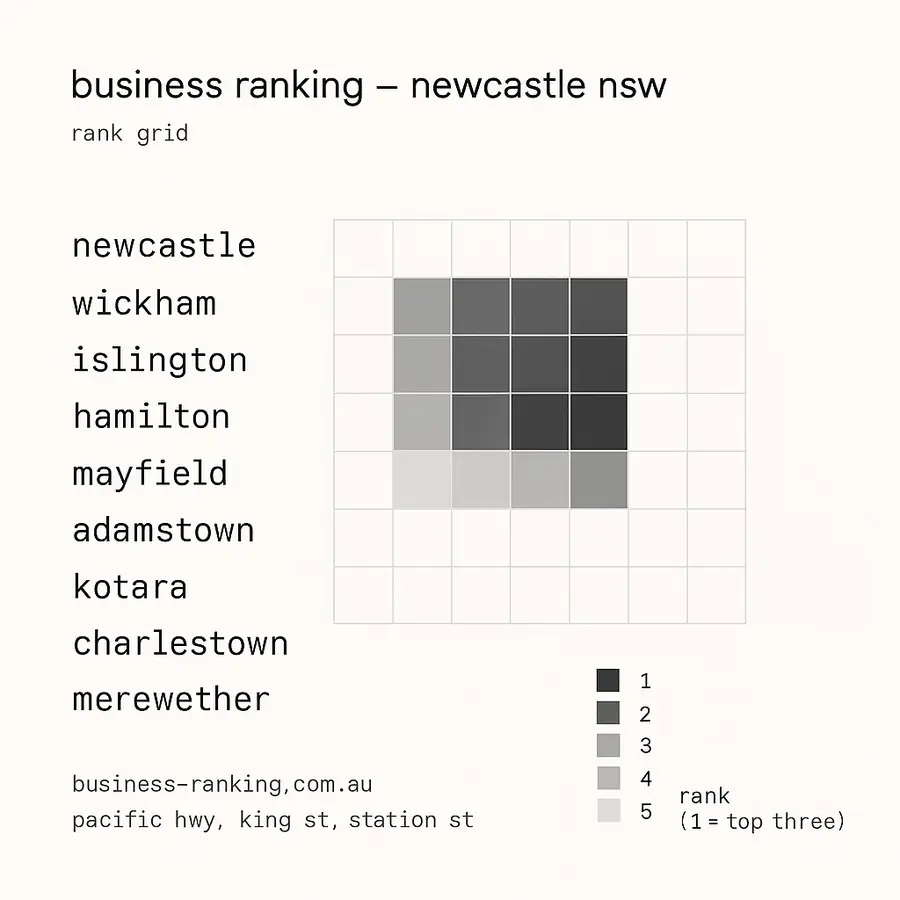
Almost nobody drives past two dental practices to reach a third. The search is local in the strictest sense, and the competition is the four or five practices within a short drive of where the patient lives or works.
That tight radius changes what winning looks like. A practice does not need to be the best known dentist in the city. It needs to be the one that appears when somebody in the surrounding suburbs searches, and there are only a handful of competitors for that.
It also means the fight is close and personal. Every practice nearby has similar equipment, similar qualifications and similar pricing, and the patient has no way to tell any of that apart from the map listing.
The other thing about the radius is that it makes location pages mostly pointless. A practice does not need twenty suburb pages. It needs to dominate about five.
Ranking for dentist near me brings check-ups. Ranking for implants, Invisalign, veneers, wisdom teeth removal or emergency dentist brings the treatments that actually carry a practice, and they are separate searches with separate competition.
Most practices have one page, called services, listing everything. That page competes for nothing, because a patient searching for dental implants is looking for a page about dental implants, and so is Google.
The treatment searches are also where the intent is highest. Somebody typing dentist is browsing. Somebody typing wisdom teeth removal cost has decided to do something and is choosing where.
Dental advertising in Australia sits under the national law and the Dental Board's guidelines, which prohibit testimonials about clinical care in advertising, before and after photographs in some circumstances, and anything that creates unreasonable expectation.
This is the part that catches practices out, because ordinary marketing advice does not apply. The testimonial rule in particular means a lot of standard website practice is simply not available to a dentist.
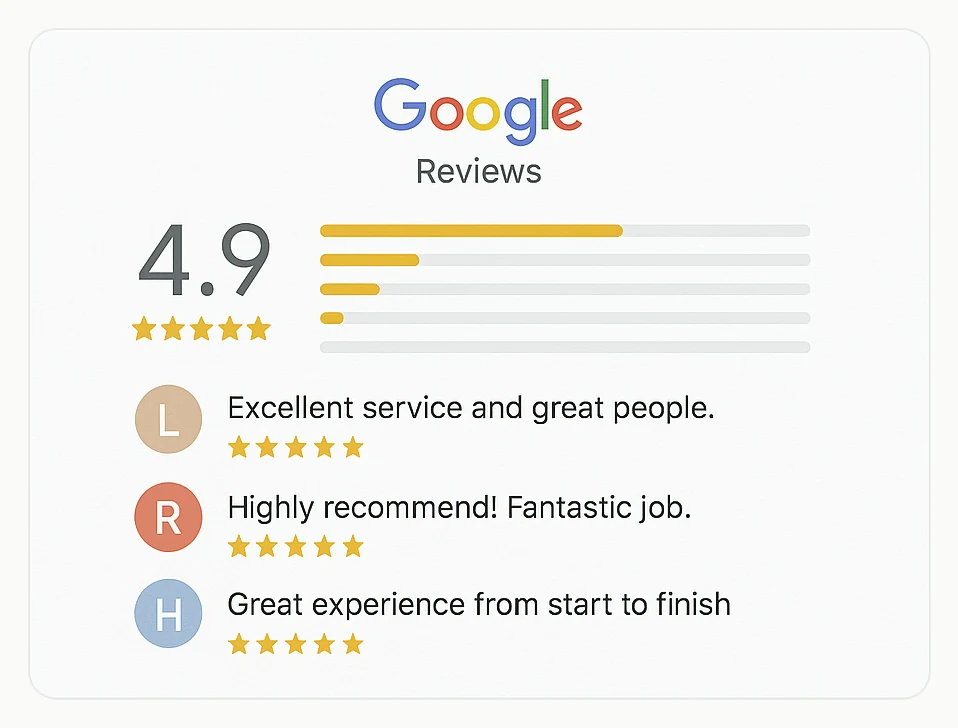
Google reviews sit in a more complicated position than practice websites do, and a practice should not be republishing patient reviews about clinical outcomes on its own pages as though they were testimonials.
None of this stops a practice ranking. It changes what the pages say. Explaining the procedure, the recovery and the honest range of outcomes does more for an anxious patient than a testimonial ever did.
The profile first, then the treatment pages you want work from, then reviews handled properly and continuously. For a practice the middle step matters more than it does for a trade, because the treatment searches are where the money is.
The profile work is the same as anywhere. Correct primary category, the treatment categories that apply, real photographs of the practice, and hours that match reality including any late nights.
The reviews need a system rather than good intentions, and it has to go to every patient rather than the ones who seemed pleased. Practices are more prone to gating than most businesses because the instinct to protect the page is strong.
If you do one thing after reading this, search for the treatment your practice most wants more of and see whether you appear anywhere. For most practices the answer is no, because there has never been a page about it.
Related reading from us: local SEO for cafes, found in the two days it matters, Local SEO For NDIS Providers and local SEO for physios.
Not for clinical care in advertising. The national law prohibits it, and it applies to a practice's own website whatever the marketing advice elsewhere says.
No. Dental catchments are small. Five suburbs done properly is worth more than twenty pages nobody reads.
They are restricted rather than banned, and the restrictions are specific. Anything of that kind gets checked against the guidelines before it goes up.
The profile, in weeks. Treatment pages take a few months. Reviews compound continuously and never stop mattering.