
For clinics winning their own suburb and nowhere else
Four clinics that look identical, and the condition nobody has written about.
A report on your clinic, showing where you appear across your catchment and which nearby suburbs never see you.
 By Reece Rainer
spareday, Newcastle NSW
Last updated
13 September 2026
Read time
5 minutes
By Reece Rainer
spareday, Newcastle NSW
Last updated
13 September 2026
Read time
5 minutes
He was able to take our rough ideas, from concept through to reality. The site has provided an influx of new members, helping to keep our club viable.
A passion-driven, good-hearted and reliable service provider with the competency of a genius when it comes to software engineering, AI technology and marketing.
He created a stunning website for us that captures and nurtures leads with an automated email marketing system, which has filled a huge gap in the business and saved a lot of time (and money!).
Every physiotherapy clinic within three kilometres of a patient looks identical on a phone screen, and one of them gets the appointment.
This is what actually separates them in the results, why the condition matters more than the profession, and what a clinic can do about it.
People will not drive far for physiotherapy, because it is not one visit. It is six over six weeks, usually squeezed around work, and the distance gets multiplied by six before anybody consciously decides anything.
Three kilometres is a fair working number in a city, less in dense suburbs. A clinic ten minutes further away is not slightly less convenient, it is a different decision entirely once the patient does the arithmetic.
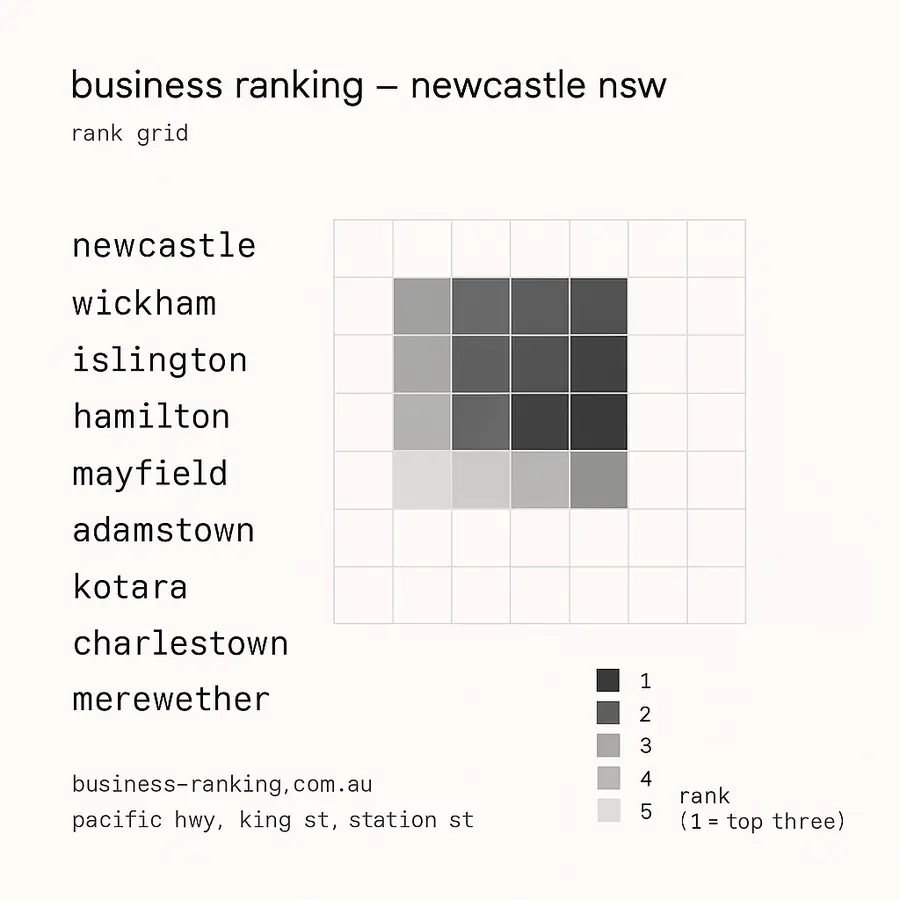
This is why clinics that rank well in their own suburb and nowhere else feel stuck. The market they can win is the ring of suburbs around them, and being invisible in the next suburb over costs more than being second in their own.
It also means the competitive set is not every physio in the city. It is the four or five clinics in the ring, and beating those four is a solvable problem in a way that competing with a whole city is not.
A meaningful share of the searching is not for physio at all. It is for sciatica, a rotator cuff, plantar fasciitis, knee pain after running, vestibular problems, a pelvic floor. Those searches are less contested and the patient is further along in deciding.
This is the largest opportunity in the field and it is mostly unclaimed, because clinics build websites around a services list that reads like a curriculum rather than around what a person types when their shoulder has stopped working.
The clinical reality helps here. Most clinics genuinely do have somebody who is better at hands, or at running injuries, or at vestibular work, and that is a real difference the patient would care about if anybody told them.
What the clinic must not do is stray into claims. Describing what a condition is and how it is usually assessed is fine. Promising outcomes is not, and health advertising rules apply to a listing and a website the same as to any other advertising.
A practice advertising health services cannot use testimonials about clinical care in its own advertising, cannot make claims it cannot substantiate, and cannot create unreasonable expectations of recovery. That shapes the website and the listing.
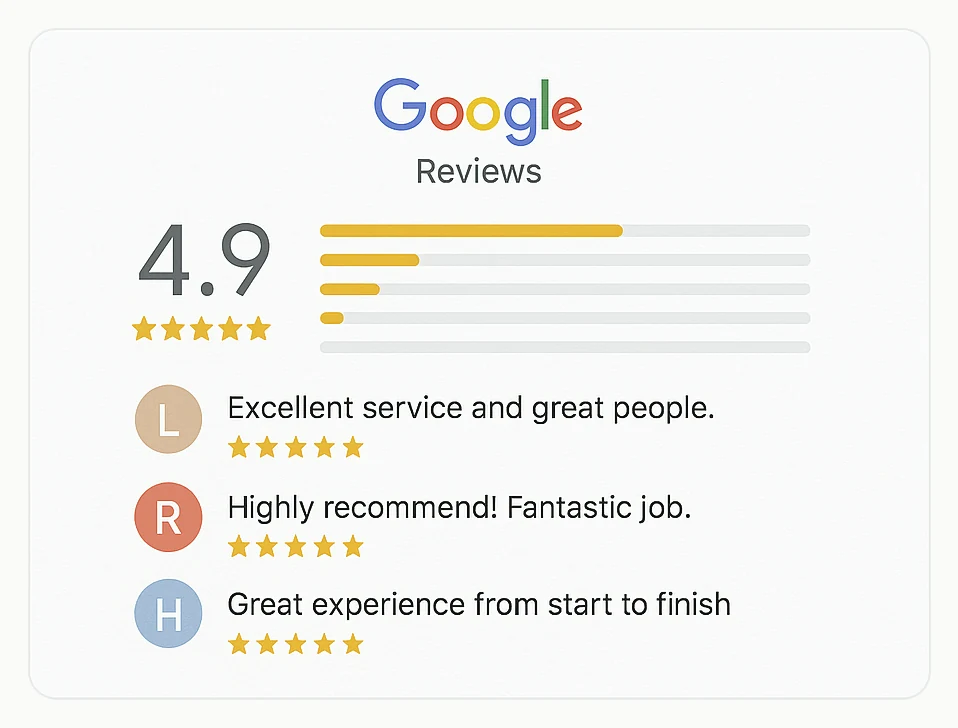
The testimonial rule confuses clinics constantly, and the practical position is narrower than the panic. Reviews left independently on a Google listing are not a practice's own advertising. Lifting them onto the website as marketing copy is a different thing.
The claims rule is where most clinic websites are quietly non-compliant. Pages promising to fix, cure or permanently resolve a condition are making a claim, and the fact that every competitor does it is not a defence.
Written properly, this is an advantage rather than a burden. A page that explains a condition honestly, says what assessment involves and does not promise anything reads as more credible than one making claims, to patients and to Google.
The listing gets built out with the real services and the practitioners, a page gets written for each condition the clinic actually treats a lot of, the reviews get asked for on a system, and it is measured from a grid across the catchment.
The condition pages are the engine and they are slow. Each one is a genuine piece of writing about a condition the clinic sees weekly, and it earns rankings over months rather than weeks, which is why the listing work comes first.
The practitioner profiles are an easy win almost nobody does. People search for a physio by name after a recommendation, and a clinic with real profiles captures that search instead of losing it to a directory.
Then it is measured properly. A clinic searching from its own reception always looks like it is winning. The number worth watching is how many points across the catchment show the clinic at all.
If you do one thing after reading this, search for the three conditions you treat most, with your suburb after them, from a phone in a car park two suburbs away. That is what your patients see, and it is rarely what the clinic expects.
Related reading from us: a catchment three kilometres wide, Local SEO For Cafes, Google Reviews For Physios and missed call text back for physios.
Independent reviews on a Google listing are not your own advertising. Lifting clinical testimonials into your website copy is, and that is the line to be careful about.
It is the most valuable thing a clinic can do, provided the pages explain rather than promise. Outcome claims are where practices get into trouble.
Less than clinics think, because it is six visits rather than one. Three kilometres is a fair working number in a city.
Listing improvements show in weeks. Condition pages earn their rankings over months, which is why the free work comes first.