
For Newcastle businesses
Digital marketing
in Newcastle.
Bring your website, search, advertising and follow-up into one considered plan.
Tell us about your business and what you need.



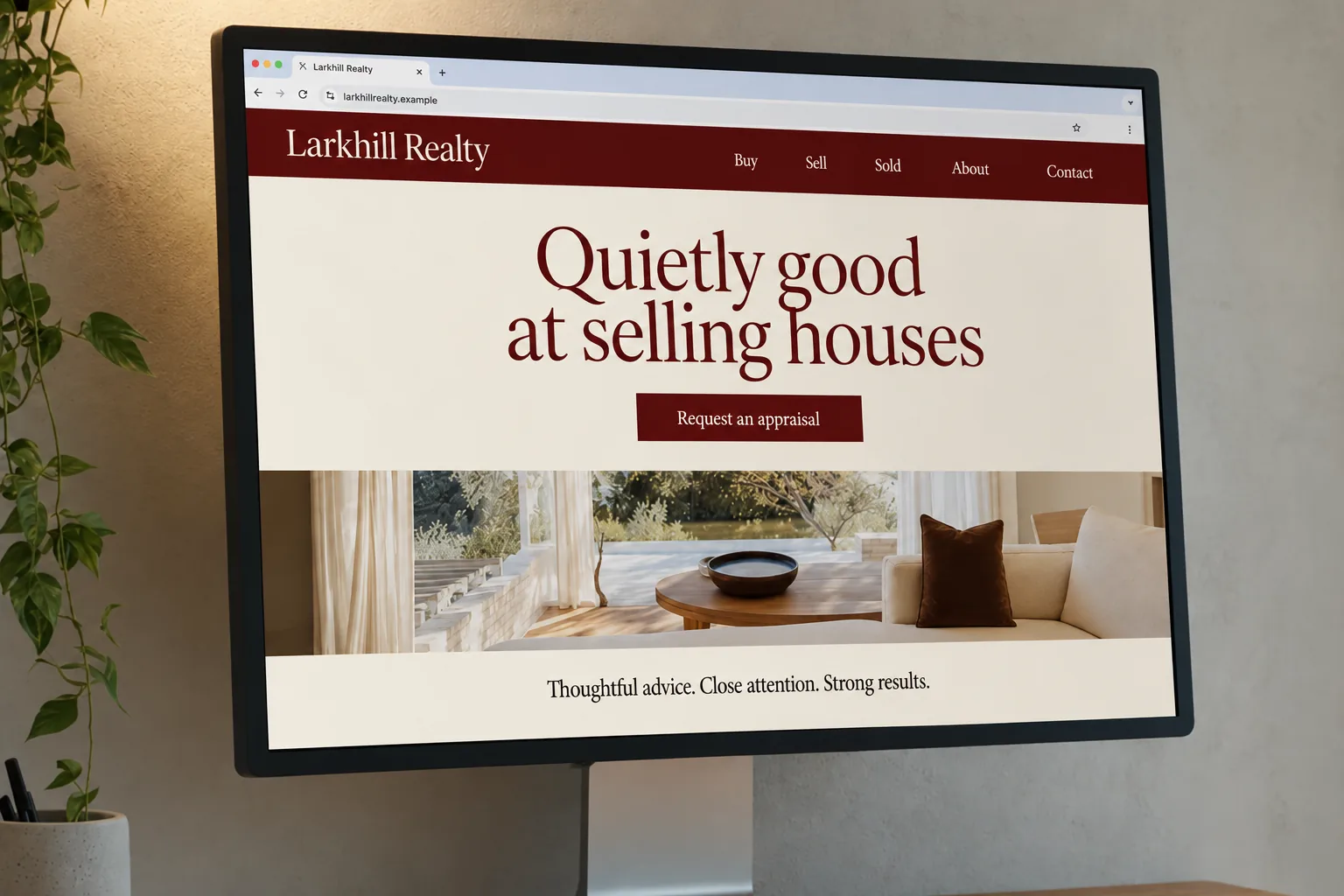
Digital marketing at spareday
Make each part of your marketing support the next.
Digital marketing covers the ways people discover and choose your business online, from a Google search or social post to the website and enquiry that follow.
spareday provides digital marketing in Newcastle for owners who want a professional online presence and a clear reason for the work being done. We review what already exists, where enquiries come from and what the business wants to be known for, then plan the website, search, advertising and follow-up together.
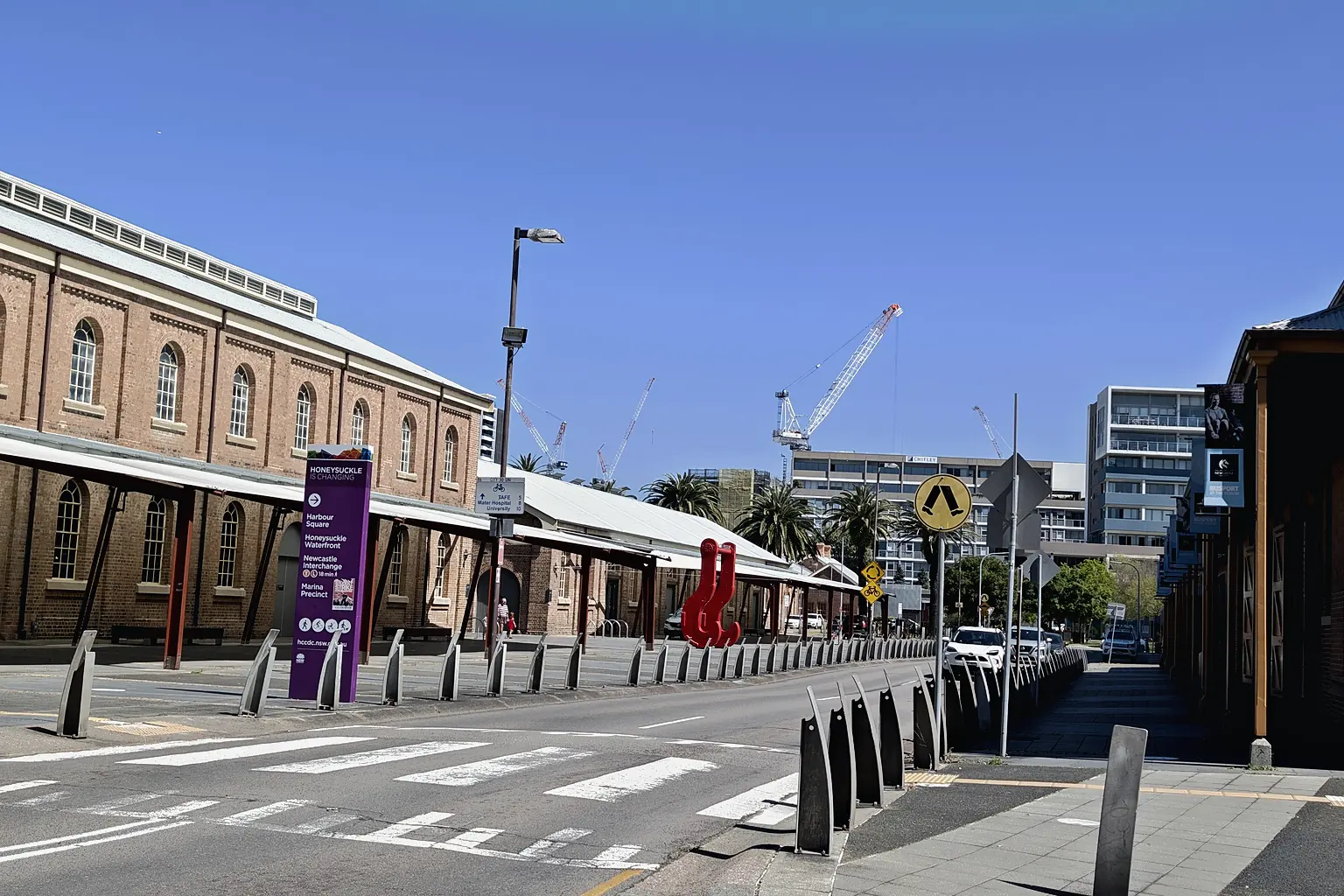
What’s included
The online work around your business.
- Website and presentation
- Clear service pages, a consistent brand and an enquiry route people can use on a phone. The website explains the offer that brought them there.
- Search visibility
- Website SEO and local listing work for the services people are already searching for, with priorities based on the business and current search results.
- Paid advertising
- Campaign planning, creative and ongoing management where paid search or social advertising fits. Advertising spend is separate from the service fees.
- Social content and follow-up
- A useful presence on the channels your customers use, with social media marketing and email follow-up connected to the business’s offer.
- Measurement and review
- Enquiries, their sources and relevant costs reviewed alongside the work completed. Google Analytics setup supports the website measurement.
The scope follows the state of your business. An established website with a weak enquiry process needs different early work from a new business that still needs its brand and pages built.
How it works
Choose the work from evidence about your business.
We start by understanding the services you sell, who they suit and how much capacity you have. Existing enquiries and customer feedback help us see what is already working.
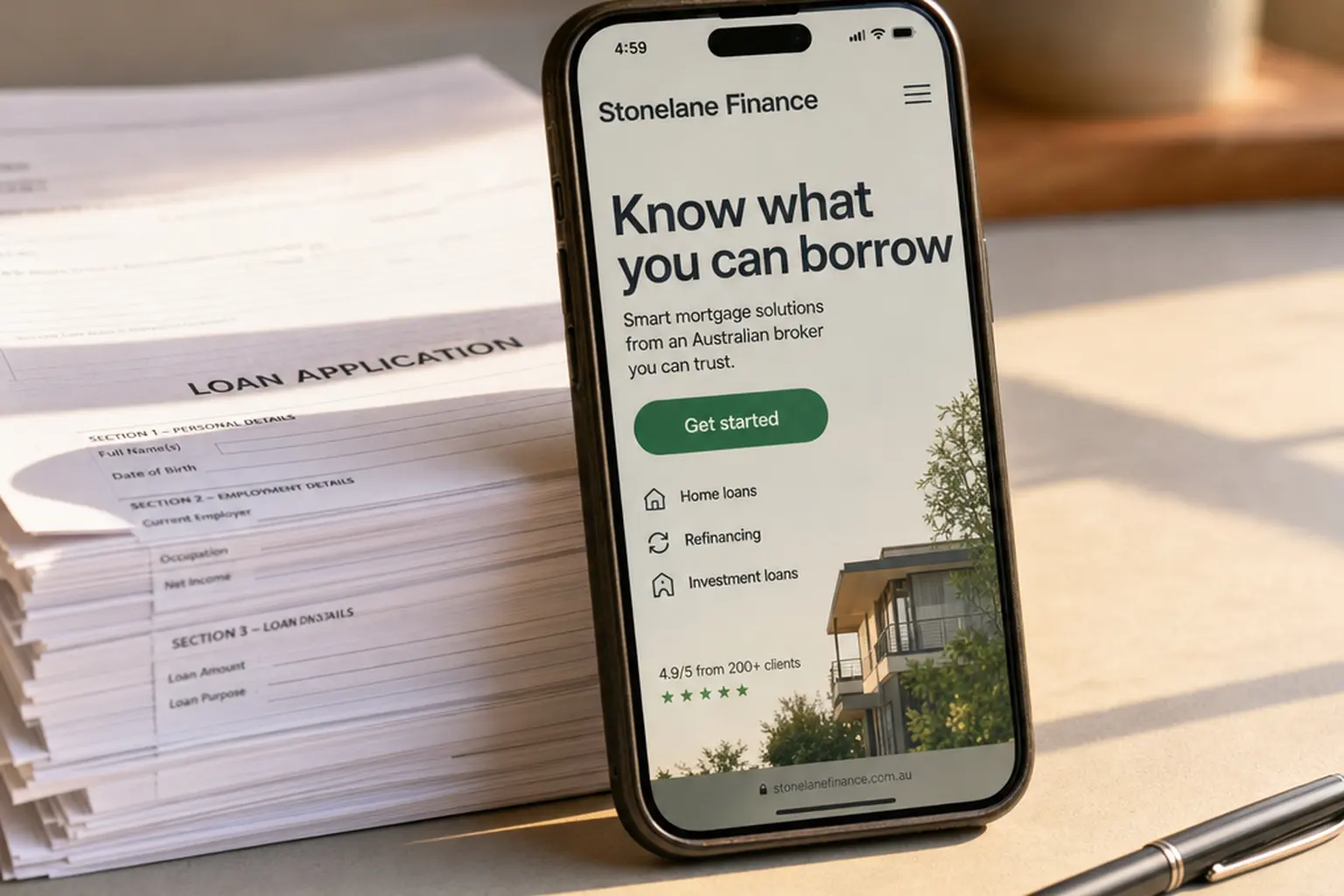
- Review the starting point
- We look at the website, Google listing, current advertising and available reports. You explain which enquiries become the kind of work you want.
- Agree the priorities
- We choose the gaps to address first and the channels to use. The reason for each should be clear enough to discuss without a marketing vocabulary.
- Build and connect the pieces
- Pages, creative and enquiry follow-up are prepared together so the promise in an ad or search result carries through to the next step.
- Review and adjust
- We compare enquiries and suitable work with the spend and activity behind them. That helps decide what to keep improving and where to change course.
Choosing channels
Start with how people find and choose the service.
Search can reach someone already looking for a service. Google Ads offers a paid route into search results, while SEO works on the website’s visibility in ordinary results. Our guide to Google Ads or SEO looks at the decision in more detail.
Facebook and Instagram can introduce an offer while someone is browsing. The advertisement needs to make the service understandable and give them a relevant next step. Social posts and email can also help people who already know the business keep up with its work.
The destination matters whichever channel brings someone in. A page should explain the service, show credible evidence and make contact straightforward. We check that the enquiry reaches the right person before building a campaign around it.
There is no universal channel order. We consider existing demand, available material, budget and the time your team can put into responding. A business already doing well through referrals may need a stronger website before it needs another campaign.
Knowing what works
Read the enquiry and the outcome together.
Clicks, enquiries and paying customers are different measures. An ad can attract attention without bringing suitable enquiries; an enquiry can be useful without becoming a customer immediately. Reporting needs to keep those distinctions visible.
We review the available sources of enquiries, advertising spend and service costs. You help close the gap between what a platform reports and what actually happened: whether someone was a good fit, booked and paid.
Search and paid campaigns also run on different timescales. Ads need preparation, approval and enough useful information to assess; SEO depends on the website, competition and how search engines process changes. Neither should be sold as an immediate result.
Before starting, ask what work is proposed, why it comes first and how it will be reviewed. Our marketing guides cover common decisions, and the spareday agency page explains how we work with a business.
From clients
What clients say about working with spareday

“Huge shoutout to Reece for building my website for Hughesys Painting Services. Since it went live my phone hasn’t stopped ringing.”

“He created a stunning website for us that captures and nurtures leads with an automated email marketing system, which has filled a huge gap in the business and saved a lot of time (and money!).”

“He didn’t just build me a great website, he created an easy-to-manage system that allows me to make updates myself whenever I need to. He has spared me so much time doing all of this myself!”
“He was able to take our rough ideas, from concept through to reality. The site has provided an influx of new members, helping to keep our club viable.”
Official guidance
For independent background, read the official guidance on advertising your business and planning your marketing.
A few practical details
Before we get started.
Where should my business start?
Start with what you already have and how customers currently find you. We review that before recommending the first work, whether it is the website, local search, advertising or enquiry follow-up.
Do I need to use every channel?
No. The plan should reflect your services, audience, budget and capacity. We choose the work that has a clear role rather than adding a channel simply because it exists.
Can you work with my existing website?
We review it first. If it supports the service explanation, presentation and enquiry journey, the work may be improvements to the existing site. The quote sets out any build or platform change required.
How much should I spend on advertising?
That depends on the business, the campaign and what a suitable customer is worth to you. We discuss the budget separately from the service fees and do not choose it from a generic percentage.
What should I send for a quote?
Your website, the services you sell, current advertising channels and a short description of what you want to improve. Existing reports and examples of suitable enquiries are helpful if you have them.

Who you’ll work with
Hi, I’m Reece.
I run spareday from Newcastle and look after the website, the marketing and the systems behind them, so it all works together. You’ll deal with me directly, and I’ll be honest about what’s worth doing for your business and what isn’t.



Find us
spareday in Newcastle.
12 Grey Street, Wickham, Newcastle NSW 2293.
Your next step
Tell us what you want the business to be known for.
Share your website and what you’d like to improve. We’ll discuss the priorities and send a free growth plan, price included.
Or call 0485 017 387.