
For practices whose site says nothing specific
What the reader is actually checking, and the question your site refuses to answer.
A report on your own website, reading it as a prospective client and naming what they cannot find out from it.
 By Reece Rainer
spareday, Newcastle NSW
Last updated
13 September 2026
Read time
4 minutes
By Reece Rainer
spareday, Newcastle NSW
Last updated
13 September 2026
Read time
4 minutes
He was able to take our rough ideas, from concept through to reality. The site has provided an influx of new members, helping to keep our club viable.
A passion-driven, good-hearted and reliable service provider with the competency of a genius when it comes to software engineering, AI technology and marketing.
He created a stunning website for us that captures and nurtures leads with an automated email marketing system, which has filled a huge gap in the business and saved a lot of time (and money!).
An accounting practice's website is read by somebody deciding whether to hand over their financial life, which is a very different reading than choosing a tradesperson.
This is what that reader is actually checking, what practices waste money on, and what a practice website has to get right.
Somebody who has outgrown their current accountant, fallen behind, or started a business and realised they need one. All three are slightly embarrassed, and all three are checking whether you will be easy to talk to.
This is the thing practice websites get most wrong. They are written to demonstrate expertise, when the reader has already assumed you are qualified and is looking for something else entirely.
What they are looking for is whether you deal with businesses like theirs, whether they will get a person or a call centre, and roughly what it will cost. Those three questions decide it and most practice sites answer none of them.
The embarrassment matters more than it sounds. A person two years behind on their returns is scanning for any sign they will be judged, and a page full of compliance language reads exactly that way.
A practice that says it works with tradies, or medical practices, or property investors, converts far better than one that says it works with businesses. Specificity is the whole mechanism, and almost no practice site uses it.
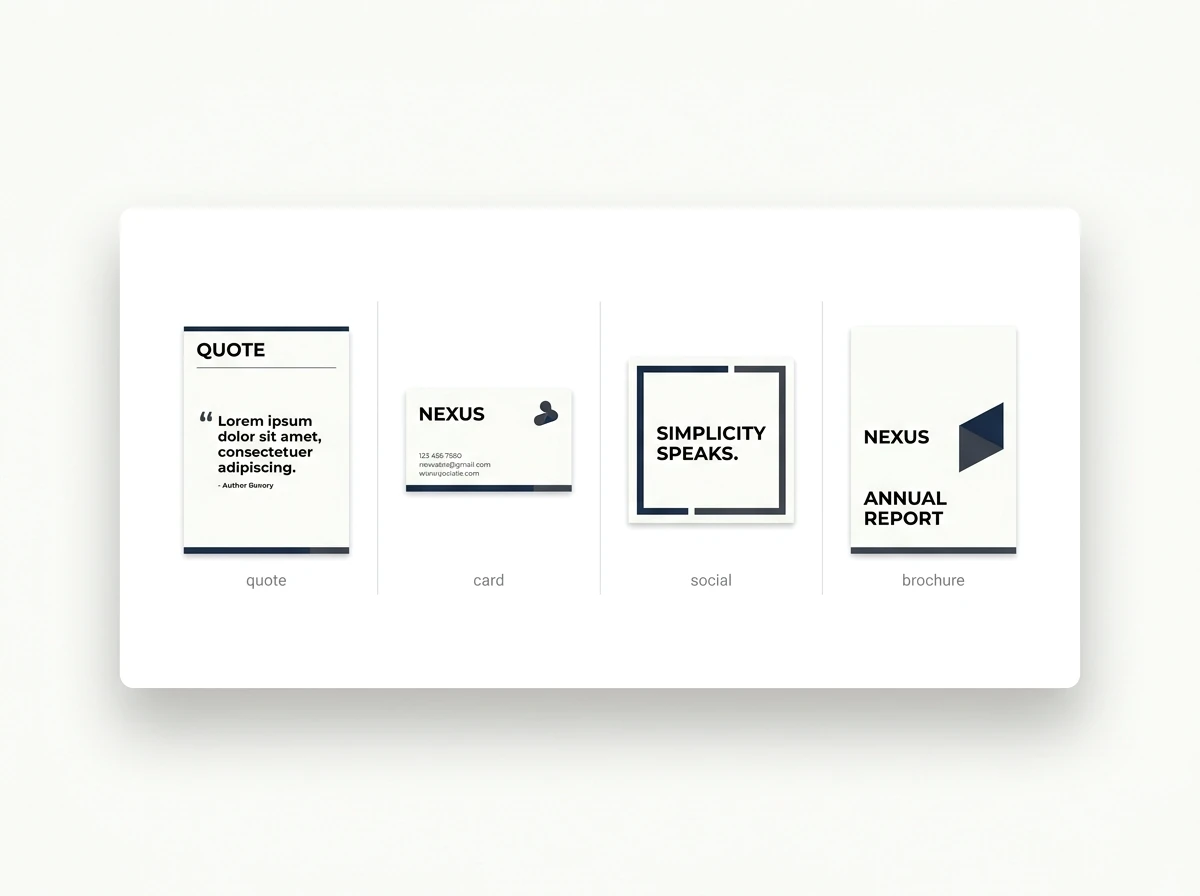
The fear is obvious and it is the reason it does not happen. Naming a specialty feels like turning away everybody else. In practice it does the opposite, because a reader who sees their own situation described assumes you understand it.
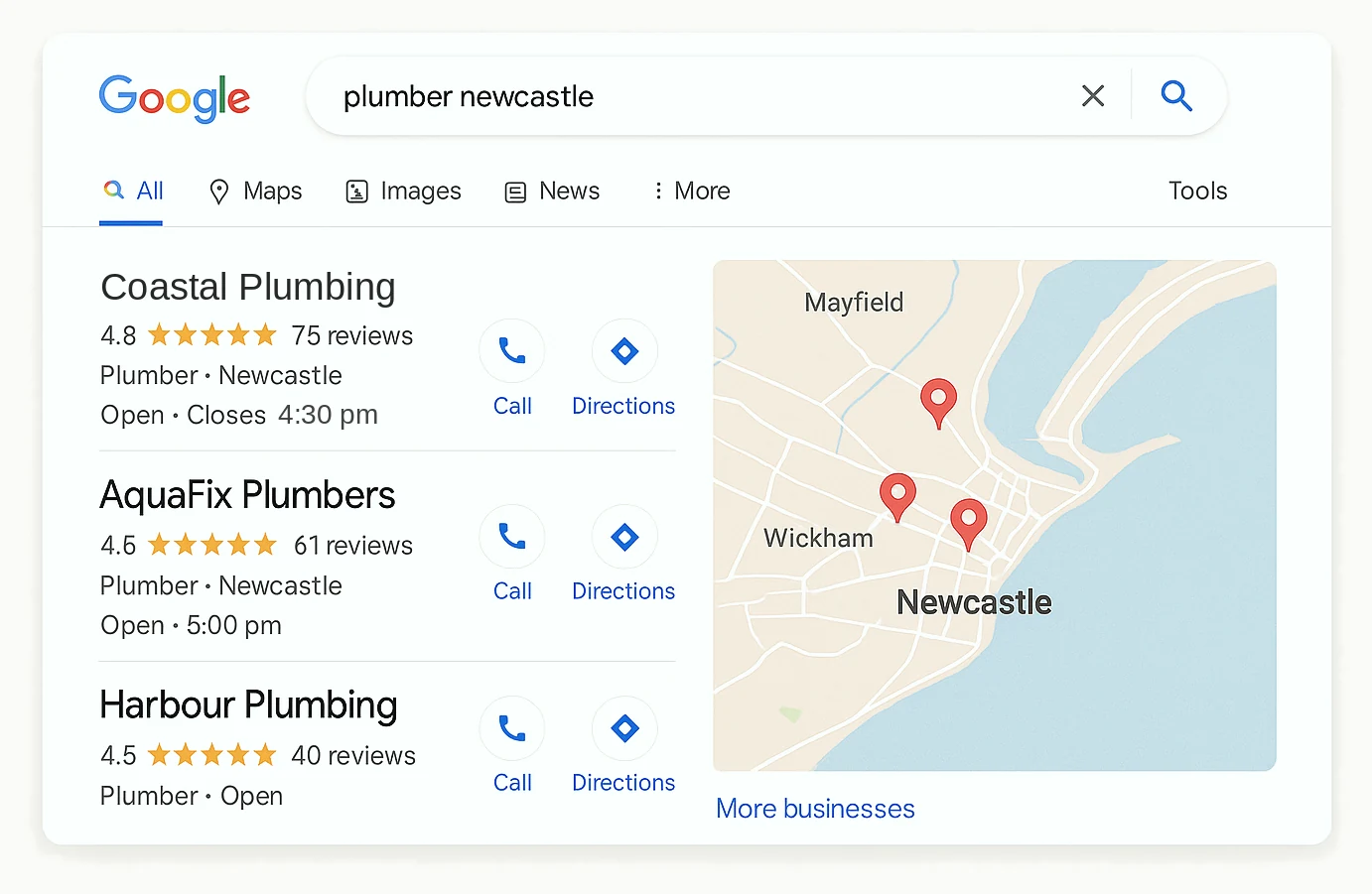
There is a ranking argument for the same thing. Accountant for tradies, accountant for medical practices and accountant for property investors are real searches with almost no competition, and a general services page competes for none of them.
Most practice websites say nothing about fees, on the reasoning that it depends. It does depend, and saying nothing at all still costs work, because a reader with no idea whether you are affordable simply does not ring.
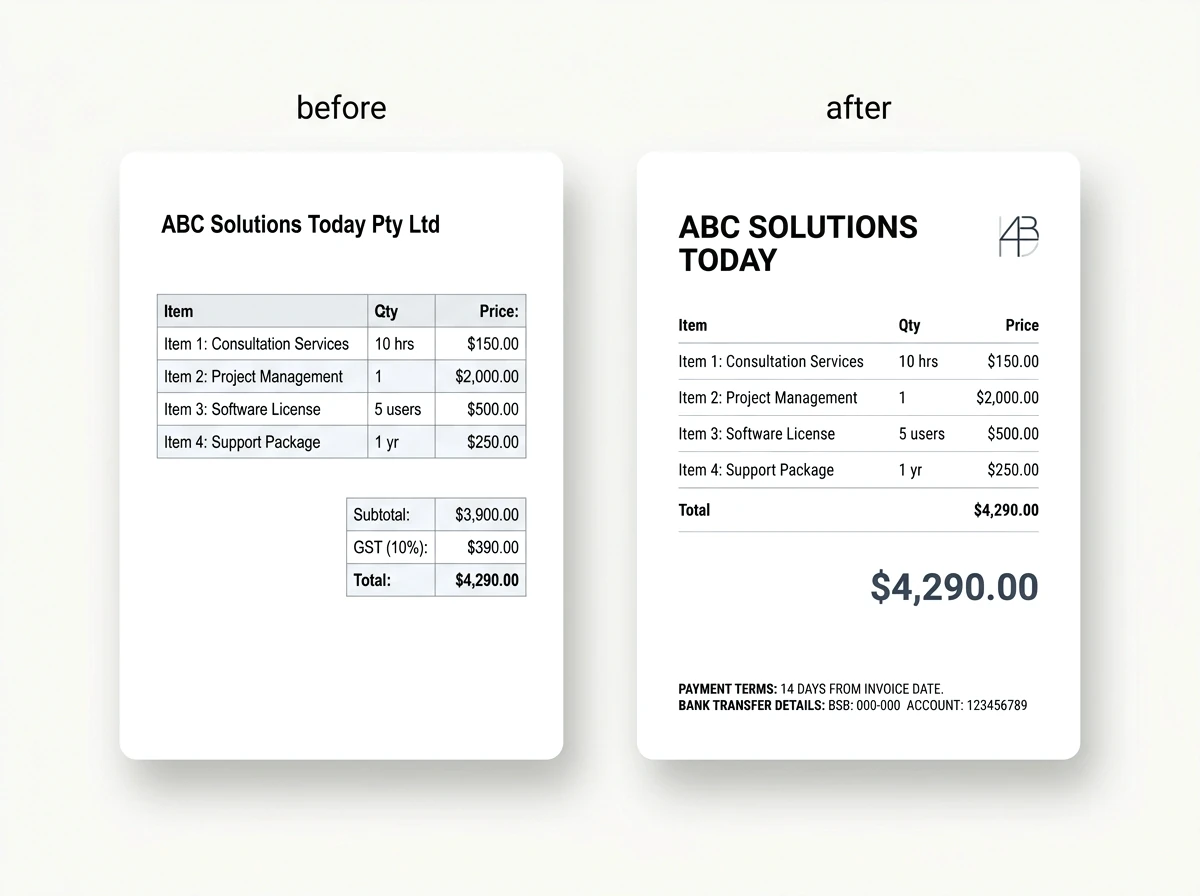
The version that works is not a price list. It is a range, or a starting point, or a plain statement that a first conversation costs nothing and produces a fixed quote. Any of those answers the question enough for somebody to act.
The practices that resist this hardest are usually the ones losing the most enquiries to it. Silence about price does not read as premium. It reads as expensive and awkward to ask about.
There is a filtering benefit too. A practice that indicates its shape stops fielding calls from people it was never going to work with, which in a busy July is worth something on its own.
A page for each type of client you want more of, a page for each service that carries real work, a genuine about page with the people on it, and something that answers the fee question. Not much more than that.
The services page listing eighteen items is the most common structure and the least effective one. It competes for nothing and it tells the reader nothing they had not assumed.
The about page matters more for a practice than for almost any other business, because the decision is a decision about trust in specific people. Photographs of the actual team, with names, and something human about each.
If you do one thing after reading this, read your own homepage as somebody two years behind on their tax returns. If nothing on it suggests they would be treated kindly, that is the change worth making first.
Related reading from us: three jobs, and nothing else, web design for dentists, AI Automation For Accountants, AI for accountants and the phone in the busiest month.
Yes. It converts better and it opens up searches with almost no competition. Naming one does not turn away general work in practice.
No, but say something. A range, a starting point, or that a first conversation is free and produces a fixed quote. Silence costs enquiries.
More important than for almost any other business. People are choosing who handles their money, and that decision is about specific people.
A services page listing eighteen items, which competes for no search and tells the reader nothing they had not already assumed.