
For Newcastle businesses
Branding agency
in Newcastle.
A consistent identity that makes your business recognisable, from the first introduction to the next quote.
Tell us about your business and what you need.


Branding at spareday
Give everything you send out a common look.
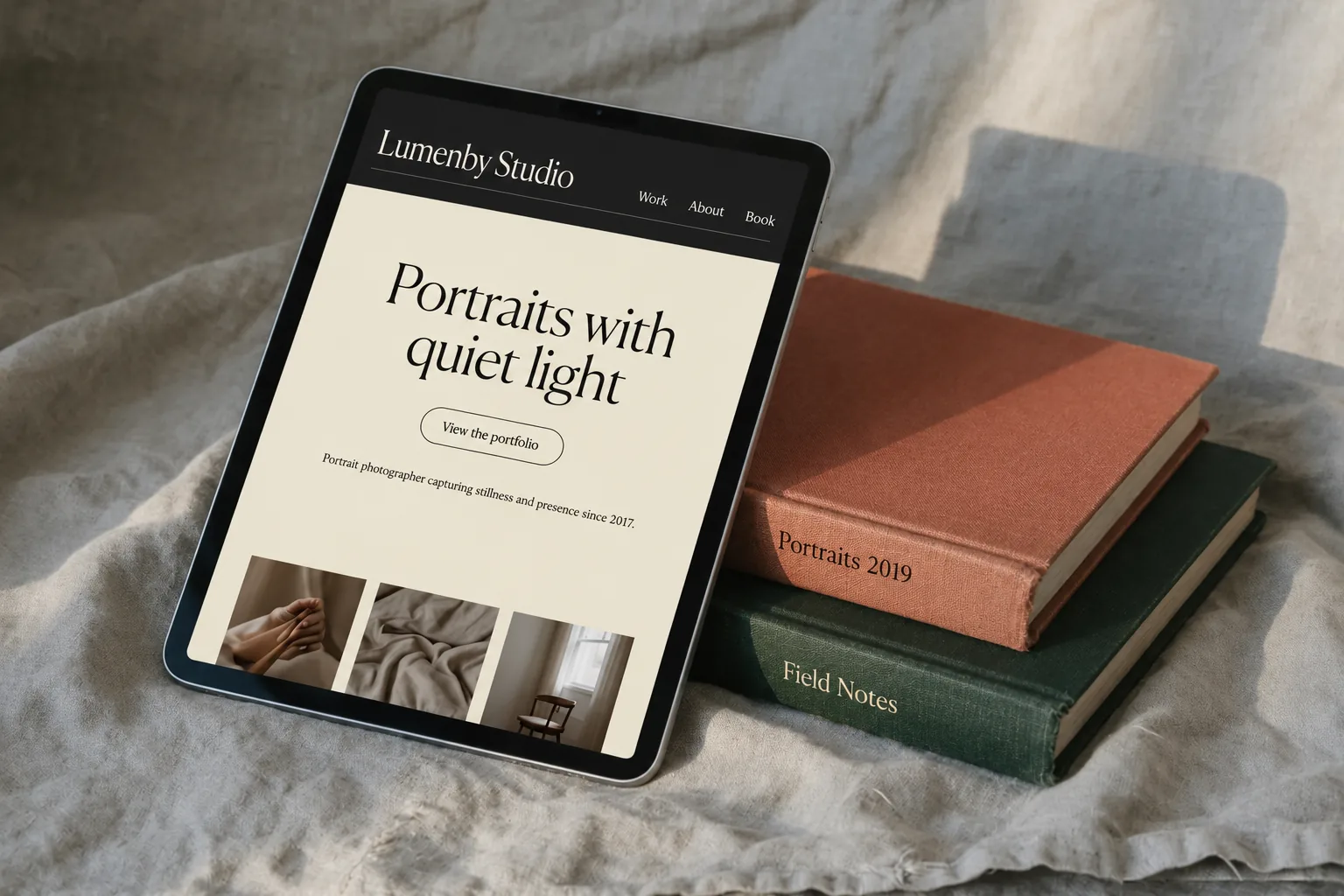
Your website, quotes and social profiles should feel like they belong to the same business. A brand identity brings the logo, colours, type and image style together so each new piece follows a clear direction.
As a branding agency in Newcastle, spareday helps you establish that direction and apply it to the materials you need. Reece works with you on what to keep, what to change and where the new identity will appear first.
What’s included
An identity you can put to use.
The brief sets out the design work and the materials it needs to cover. An established business may have a strong logo to build around; a new business may need the identity developed together.
- Logo and versions
- A main logo and the variations needed for the agreed uses, such as a small social profile or a dark background. See logo design.
- Colour and typography
- A palette with colour references and a clear choice of typefaces for headings and everyday text.
- Image and writing direction
- Guidance on the photographs, tone and wording that suit the business, so future materials feel consistent.
- A practical brand kit
- A short reference that records the design choices and shows how to apply them.
- The materials in your brief
- The agreed quote, invoice, email signature or social template, using the same identity.
How it works
Start with the business you want people to recognise.
Bring a few examples you like and the materials your business uses now. They make it easier to discuss the style and the practical changes you have in mind.
- Agree the brief
- We discuss your customers, the impression you want to make and the places the identity needs to work.
- Review a direction
- You see the proposed colours, type and design together before they are applied to the wider set of materials.
- Refine the chosen design
- You gather feedback from the people making the decision. We work through that feedback within the agreed scope.
- Prepare the rollout
- The approved files and guidance are prepared, with the website, templates and other agreed uses put in a clear order.
Your existing brand
Keep the parts that still fit.
A brand refresh can keep your name and logo while bringing the colours, type and templates into line. A broader rebrand can change the identity around an existing name, or include a new name where that is part of the brief.
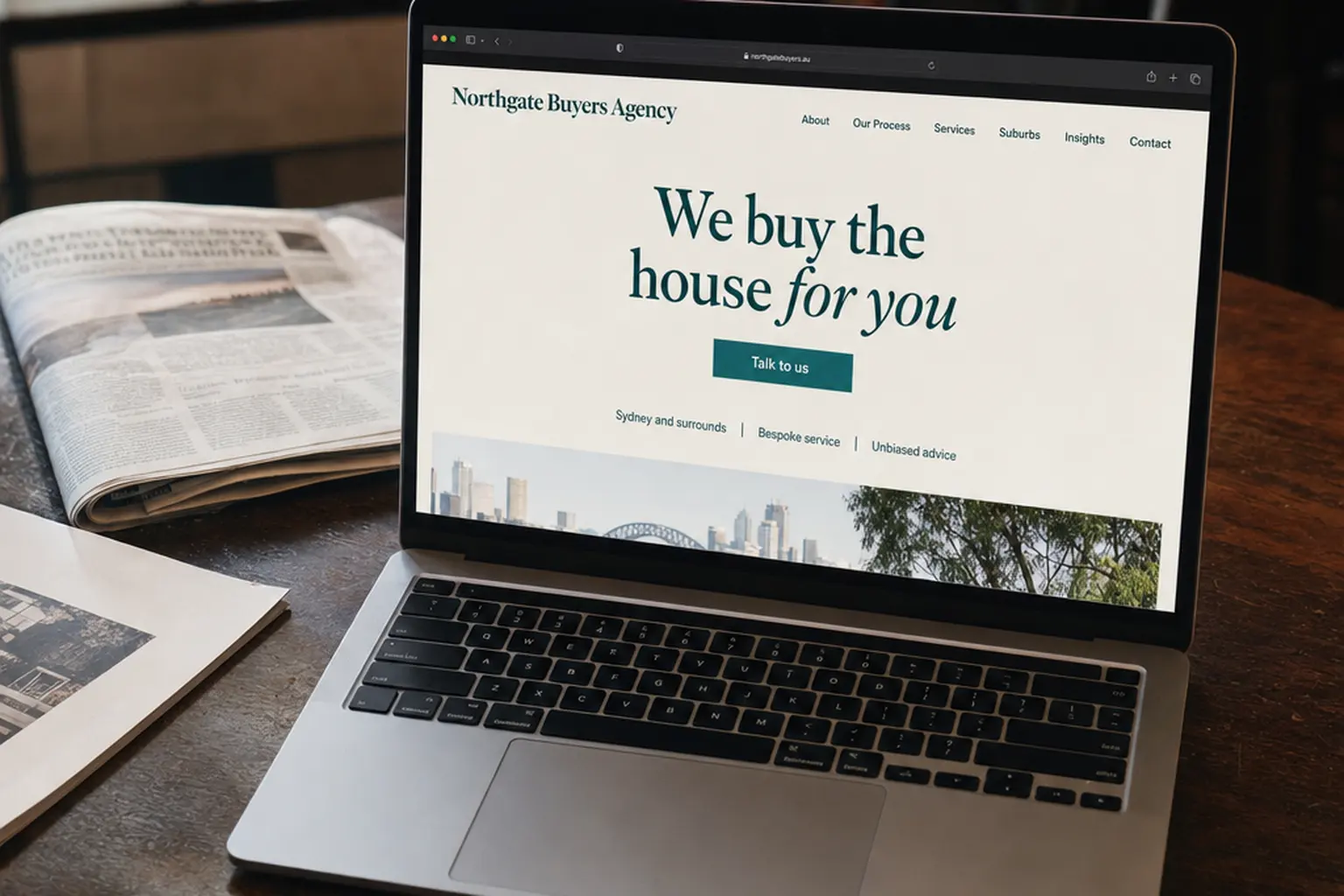
A name change also means reviewing the places customers find you: your website, business listing, social profiles and printed material. We agree who handles each update before the new identity is introduced. The scope of those changes affects the cost of a rebrand.
Files and future work
Make the next design easier to keep consistent.
A useful handover names the files, their intended uses and the software needed to edit any templates. Ownership and font or image licences are confirmed with the scope before work begins.
If a sign or vehicle wrap is planned, bring the supplier’s specifications so the logo files suit the job. For several locations, a franchise brand kit can explain which design choices stay fixed and which details each location changes.
From clients
What clients say about working with spareday
“Huge shoutout to Reece for building my website for Hughesys Painting Services. Since it went live my phone hasn’t stopped ringing.”

“He created a stunning website for us that captures and nurtures leads with an automated email marketing system, which has filled a huge gap in the business and saved a lot of time (and money!).”
“He didn’t just build me a great website, he created an easy-to-manage system that allows me to make updates myself whenever I need to. He has spared me so much time doing all of this myself!”
“He was able to take our rough ideas, from concept through to reality. The site has provided an influx of new members, helping to keep our club viable.”
Official guidance
To protect a business name or logo, read IP Australia on trade marks; for planning, see business.gov.au on marketing your business.
A few practical details
Before we get started.
Can we keep our existing logo?
Yes. Send the logo and a few examples of how you use it. We can discuss keeping it and improving the colours, type and materials around it.
Does a rebrand mean changing the business name?
A rebrand can keep your existing name. The brief should explain which parts of the identity need changing and why, before any naming work is added.
Will we be able to edit the templates?
Tell us which materials you want to update and which software you use. We agree the editable templates and file formats as part of the handover.
How much does branding cost and how long will it take?
The scope depends on what already exists, the design changes and the number of materials involved. Mention any launch or print deadline with your enquiry so we can discuss the work, timing and quote together.
What do you need for a quote?
Your business name, website or social profile, existing brand files if you have them, and a list of what you need designed. A few visual examples help explain the direction you like.

Who you’ll work with
Hi, I’m Reece.
spareday is my business, based in Newcastle. You’ll work with me on the direction and the details, so the identity we agree can carry through to your website and everyday business materials.

Find us
spareday in Newcastle.
12 Grey Street, Wickham, Newcastle NSW 2293.
Your business identity
Bring your brand into focus.
Tell us about your business and what you want to change. We’ll discuss the design work and prepare a free growth plan, price included.
Or call 0485 017 387.