
For Newcastle businesses
Phone answering
in Newcastle.
Give callers a way to leave the details you need when your team is busy. AI phone answering, set up around your hours, services and callback process.
Tell us about your business and what you need.



Call handling at spareday
A useful message when you cannot take the call.
A phone answering service in Newcastle can receive calls your team cannot get to, collect the caller’s details and pass the enquiry to you. spareday sets up the AI version: software working from an approved brief, with clear limits on what it can answer.
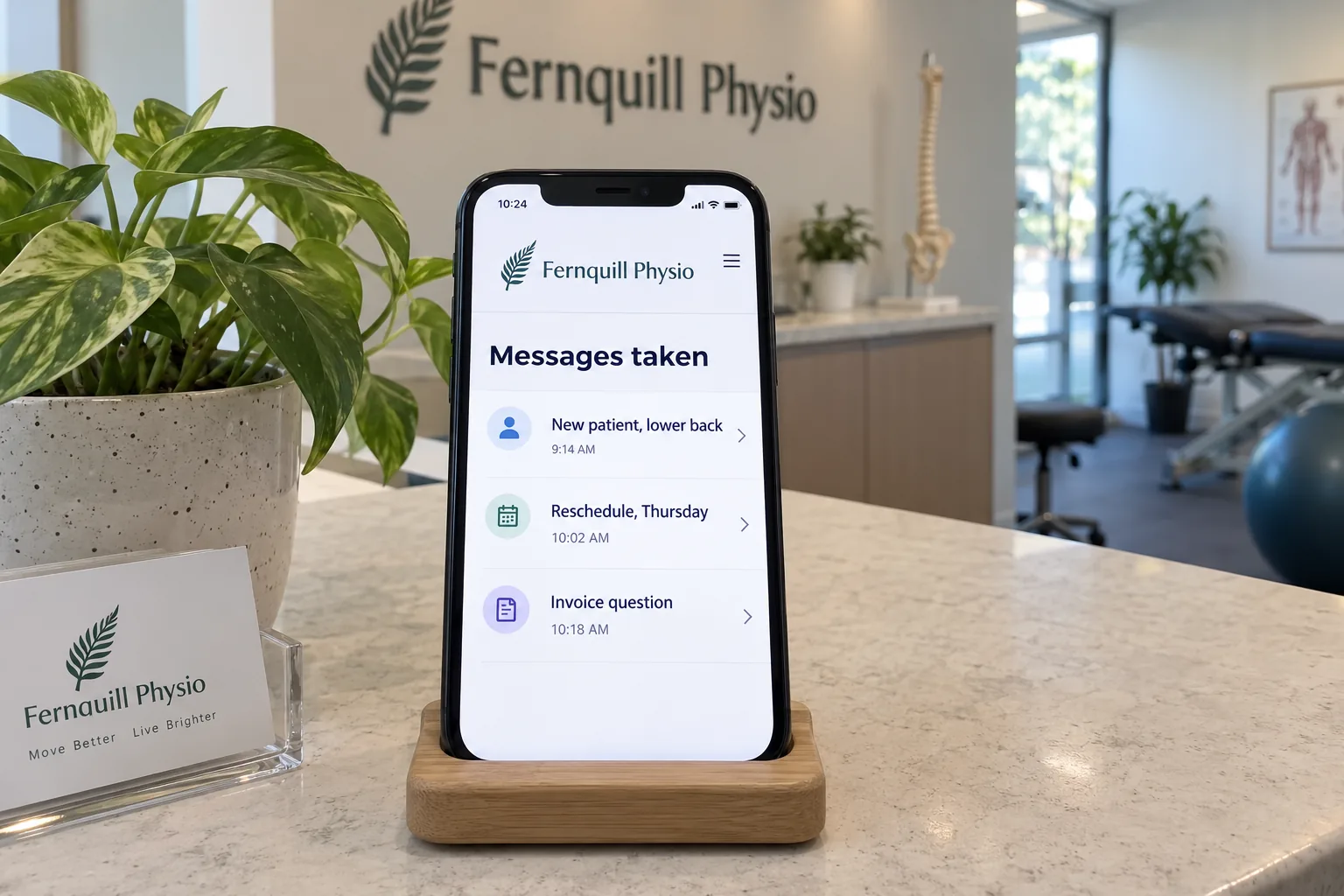
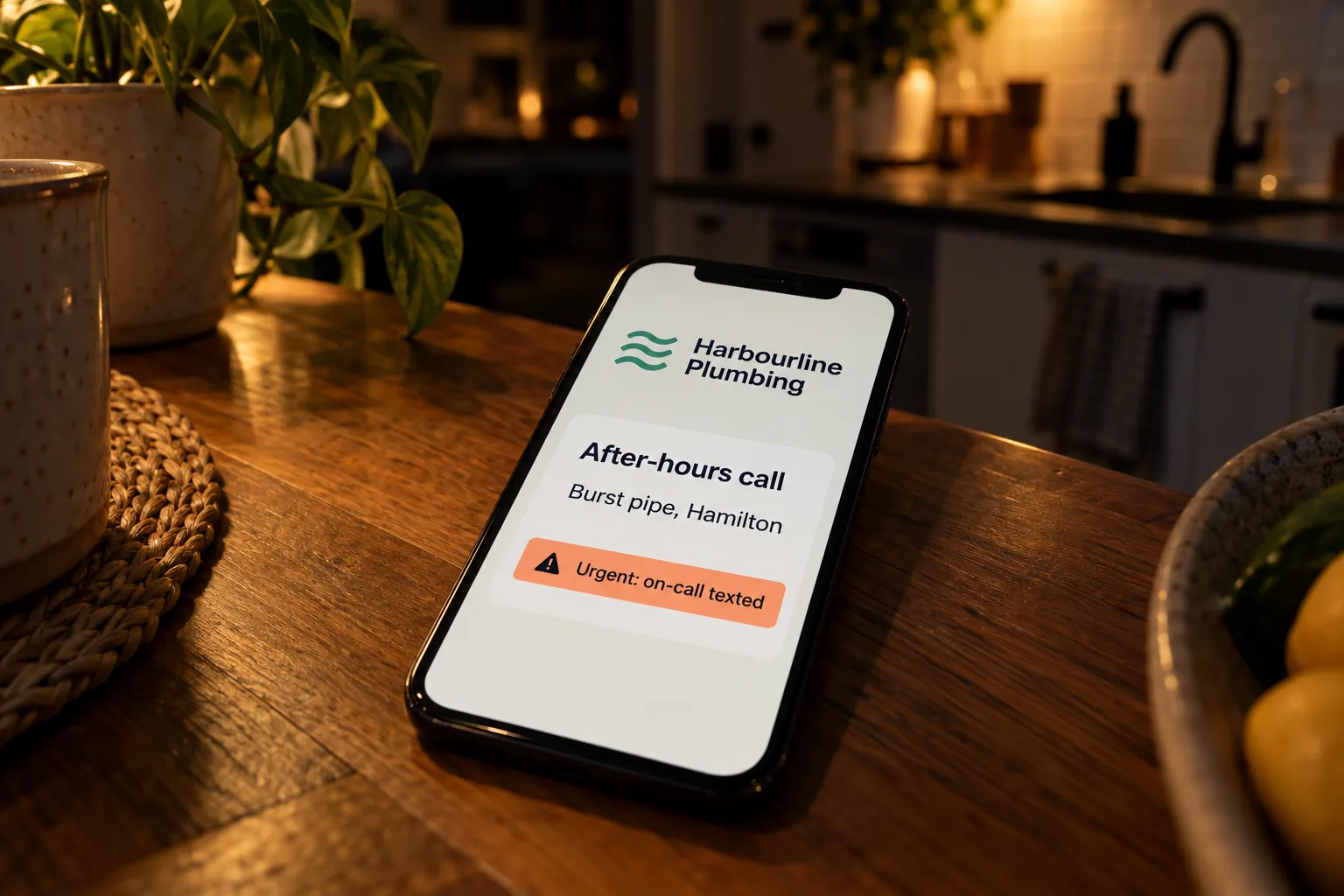
The starting point is the call you want handled. A plumber out on a job may need a suburb, a callback number and a description of the problem. An office may need the customer’s name and the person they are trying to reach. We work from Newcastle and shape the questions around your business.

What’s included
The information your team needs to return the call.
Message-taking works best when a caller’s next step is clear. The greeting should explain what the service can help with and when the business expects to respond. It should not imply that someone is available to attend a job just because the phone has been answered.
- Greeting and coverage
- Agree the business name, coverage hours and when calls should reach the service. This might be unanswered calls during the day, an after-hours schedule, or both.
- Enquiry details
- Choose the fields your team needs, such as name, number, location and reason for calling. Existing customers may need a different set of questions from new enquiries.
- Approved answers
- Supply your hours, service area and the work you do. Questions outside that material go to the agreed fallback rather than an invented answer.
- Message destination
- Send the collected details to an agreed phone, inbox or compatible business tool. We confirm the connection and test that the intended person receives it.
- Callback responsibility
- Name the person who follows up and the backup when they are unavailable. A message is useful only when someone knows it is theirs to act on.
How it works
Follow the enquiry all the way back to your team.
The setup includes the answering and the delivery. Testing stops at the same place a real enquiry should end: a usable message in front of the person responsible for responding.
- Review the current calls
- Look at available call records with you: which calls were unanswered, when they arrived and whether the caller tried again. A call log does not tell us that someone hired another business.
- Choose the coverage
- Check your phone provider’s forwarding options before confirming a route. Keep the calls your team wants to answer and agree what happens when they cannot.
- Write and approve the brief
- Record hours, suburbs, services, common questions and statements the service must not make. Agree how urgent requests and failed transfers are handled.
- Try realistic enquiries
- Test missing details, unusual questions and unavailable staff as well as straightforward calls. Confirm message contents, delivery and callback expectations before launch.
- Review the results
- Agree a review period and the information available for checking. Adjust the brief when callers reveal an unanswered question; keep changes under the business’s approval.
Choosing the right coverage
Overflow and after-hours calls need different expectations.
Overflow covers a busy moment while the business is open. A caller might reasonably expect a callback that day, so messages need to reach someone who can respond. After-hours coverage needs an honest explanation of the next available response time. The same greeting is not always suitable for both.
You do not have to divert every call. Routing depends on the provider and current setup, so we check whether unanswered-call forwarding, a schedule or a separate number fits. We also agree how to switch the routing back if the service is unavailable or you stop using it.
A missed-call text-back is another option when asking the caller to reply by message is enough. AI answering lets them explain the enquiry during the call. For more involved questions, transfers or a possible booking connection, see virtual receptionist services and AI receptionist setup.
Delivery and control
Know where messages go and what happens next.
Message delivery time should be checked in your actual setup. Notifications depend on the connected services and the recipient’s device; we do not promise every enquiry will reach you within a fixed number of seconds. Agree how a failed delivery becomes visible and who investigates it.
Before starting, confirm the number’s account holder, forwarding charges, access to enquiry records and the process for leaving. If recordings or transcripts are part of the scope, agree their purpose, access and retention. Only collect the information your team needs to handle the enquiry.
The quote sets out setup, phone and software usage, integrations, support and any reporting. Timing depends on access, the approved brief and testing. Your team supplies the business facts and returns calls; spareday configures and checks the agreed service.
If your wider priority is being found by more customers, see digital marketing at spareday and SEO in Newcastle. For independent background, business.gov.au covers choosing digital tools and protecting your business online.
From clients
What clients say about working with spareday
“Excellent in all facets of web design with particular expertise in SEO and email marketing. Online visibility has skyrocketed since working Reece which translates as flawless customer relations, new leads and new customers.”

“He didn’t just build me a great website, he created an easy-to-manage system that allows me to make updates myself whenever I need to. He has spared me so much time doing all of this myself!”
“He was able to take our rough ideas, from concept through to reality. The site has provided an influx of new members, helping to keep our club viable.”

“Huge shoutout to Reece for building my website for Hughesys Painting Services. Since it went live my phone hasn’t stopped ringing.”
A few practical details
Before we get started.
Is this a human call-answering service?
No. spareday sets up AI phone answering. It uses an approved brief to handle agreed questions and collect details, with a defined route for anything that needs a person.
Can it answer only the calls we miss?
That is one possible setup. We check your phone provider’s forwarding options and agree when the service should answer before making changes.
Can I keep my business number?
We first check whether your existing number can forward calls as needed. Confirm the account holder, provider charges and how to restore the original routing as part of the scope.
Can it give prices or promise a booking?
Only information and actions specifically approved for the setup. If pricing or availability cannot be confirmed from a reliable source, the service should collect the enquiry for your team to answer.
What do you need to prepare a quote?
Your hours, phone provider, approximate call volume, common enquiries and the person who follows up. Existing call records can help identify where coverage is needed.

Who you’ll work with
Hi, I’m Reece.
I run spareday from Newcastle. Tell me what your business needs and what is already in place. I’ll work through the scope with you and explain the proposed work before you decide.




Find us
spareday in Newcastle.
12 Grey Street, Wickham, Newcastle NSW 2293.
Call handling in Newcastle
Tell us which calls your team cannot get to.
Share your phone setup, busy periods and the details you need in a message. We’ll discuss the coverage and send a free growth plan, price included.
Or call 0485 017 387.