
For Newcastle businesses
Landing page design
in Newcastle.
A focused page that connects your campaign’s offer with a clear enquiry step.
Tell us about your business and what you need.

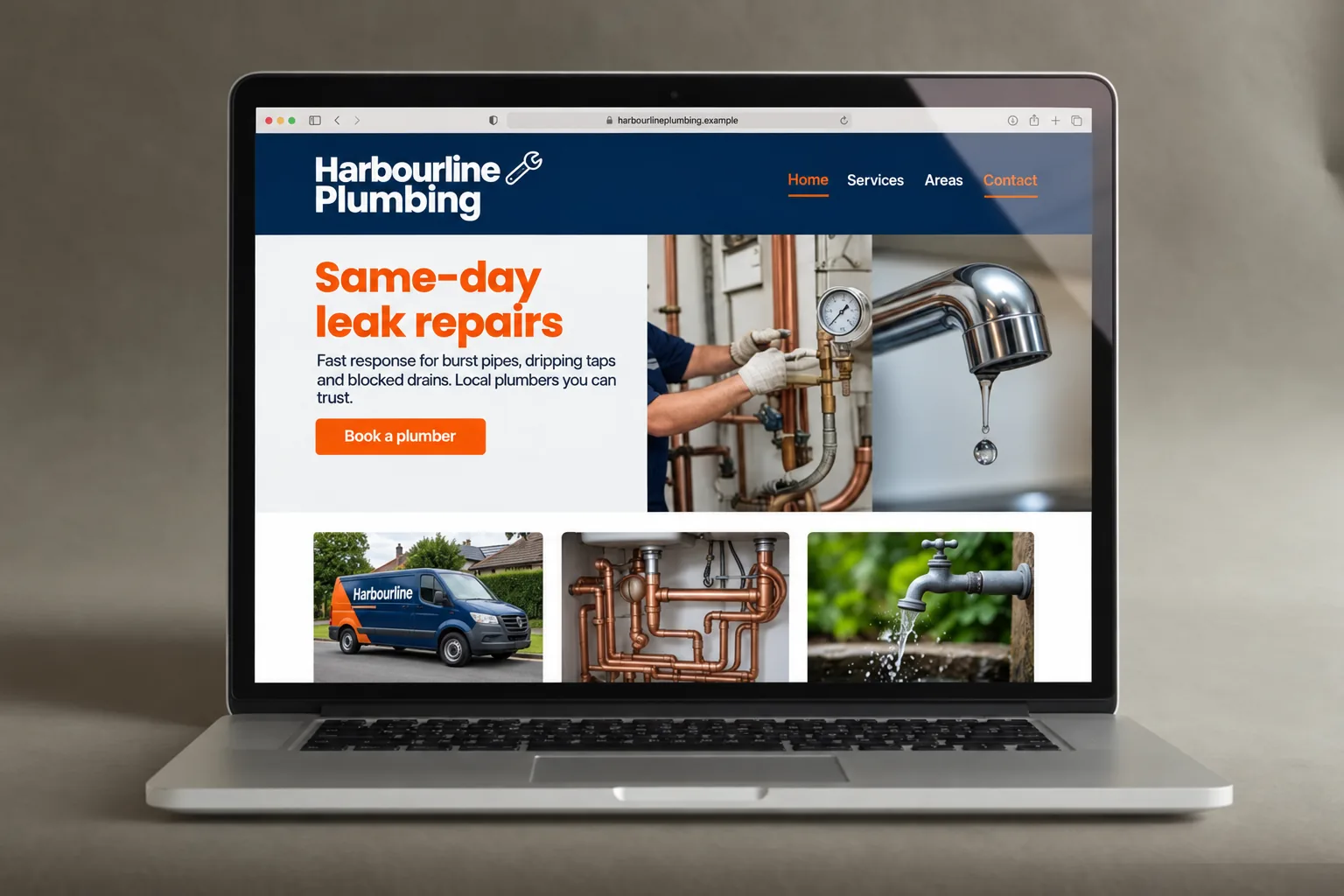
Landing page design at spareday
Give the visitor a clear next step.
Someone clicking an advertisement arrives with an expectation. The landing page should explain that offer, answer the questions around it and make it easy to enquire.
spareday provides landing page design in Newcastle for businesses running campaigns or promoting a specific service. We plan the words, layout, proof and form around the action you want a suitable visitor to take.
What’s included
The offer, the explanation and the enquiry route.
We agree what the campaign is offering before designing the page. That keeps the advertisement, page and follow-up conversation consistent.
- Offer and page structure
- A clear headline, useful supporting information and a sequence that answers the visitor’s buying questions.
- Relevant proof
- Approved reviews, real examples or honestly labelled concepts, chosen for what they can support.
- Phone-friendly design
- Readable copy and a clear action that remain usable on a small screen.
- Enquiry and measurement setup
- The agreed form or booking route, with measurement that distinguishes a button click from a completed enquiry.
How it works
Start with the campaign the page will support.
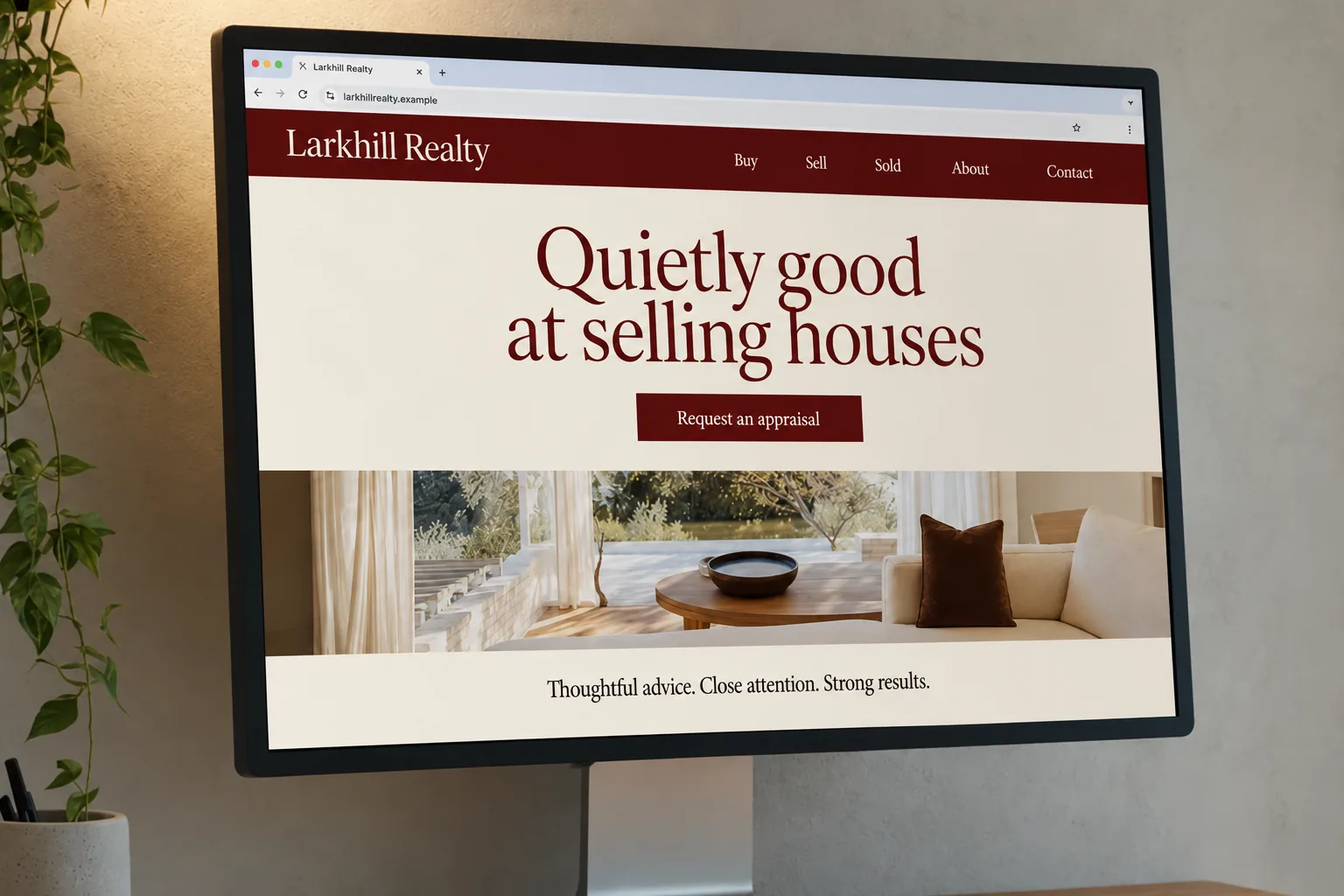
The page is reviewed alongside the advertisement and the offer. A strong layout cannot resolve an unclear promise or an enquiry nobody follows up.
- Define the visitor and offer
- Show us the advertisement, the service and the action you want people to take.
- Write and design
- We prepare the page with the information and evidence that support that decision.
- Review the full journey
- You review the words and layout; the agreed form, confirmation and onward route are checked.
- Launch and learn
- After approval, the page can support the campaign. Results are reviewed using actual enquiries and the quality of those enquiries.
Measuring the result
Count completed enquiries separately from clicks.
A visitor opening a form has shown interest. A successfully submitted enquiry is a different event. We agree what to measure and check the setup so those actions are not presented as the same result.
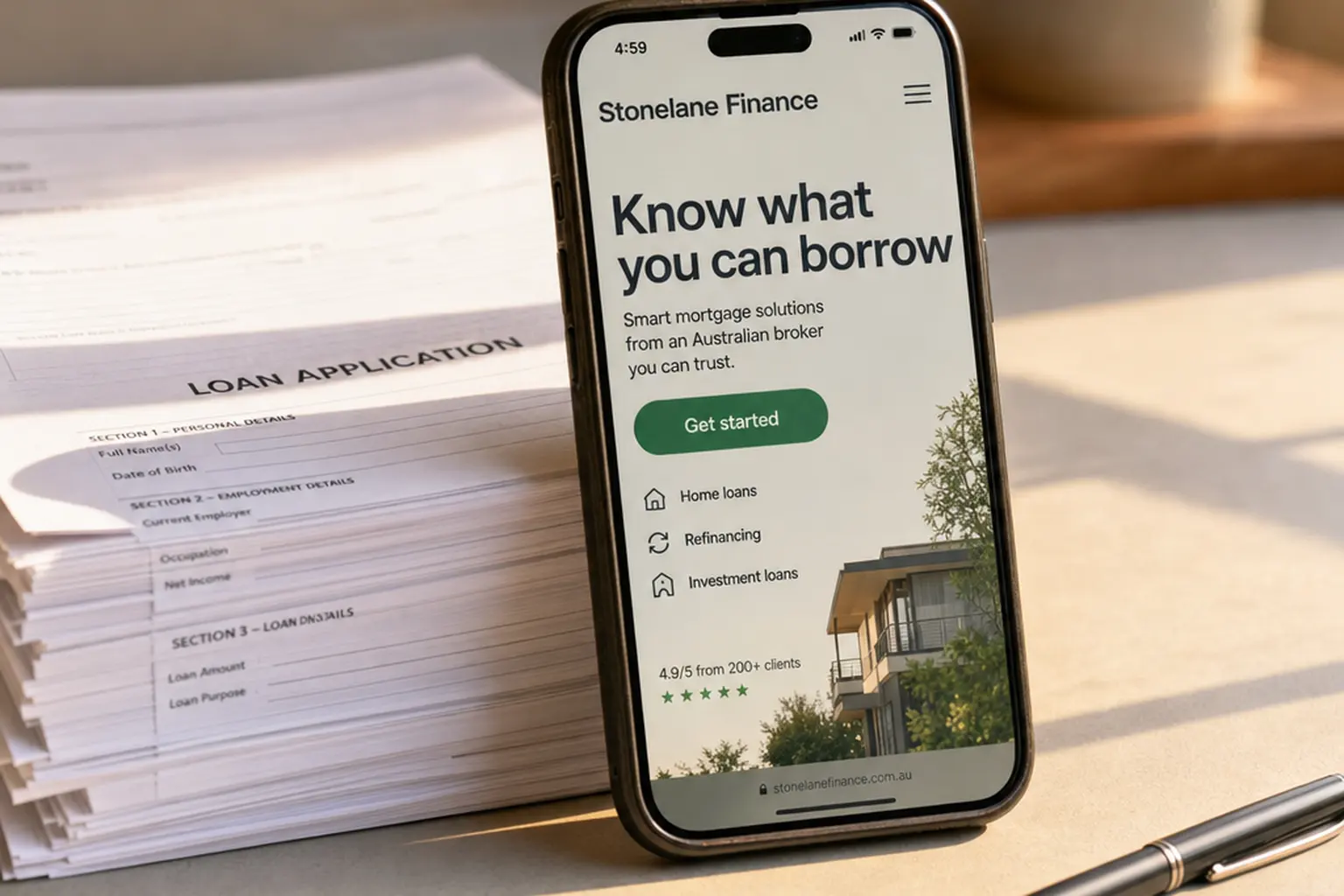
Traffic source, offer, budget and follow-up all affect campaign performance. A new page has no proven conversion rate until it has been used and measured. Where a comparison is useful, it needs enough comparable traffic to mean something.
Scope and budget
Plan the page and the campaign together.
The landing page quote depends on the content, design and form or booking connections. Design costs, hosting and advertising spend are different parts of the budget.
A campaign page can support a specific offer within your wider website. Its navigation and supporting links are chosen for the visitor and the decision they need to make.
From clients
What clients say about working with spareday
“He was able to take our rough ideas, from concept through to reality. The site has provided an influx of new members, helping to keep our club viable.”

“He created a stunning website for us that captures and nurtures leads with an automated email marketing system, which has filled a huge gap in the business and saved a lot of time (and money!).”

“He didn’t just build me a great website, he created an easy-to-manage system that allows me to make updates myself whenever I need to. He has spared me so much time doing all of this myself!”

“Huge shoutout to Reece for building my website for Hughesys Painting Services. Since it went live my phone hasn’t stopped ringing.”
Official guidance
For independent background, read the official guidance on business websites and Google’s SEO starter guide.
A few practical details
Before we get started.
Do we need a separate page for every advertisement?
Not necessarily. Advertisements supporting the same offer and audience may share a page. A materially different service or promise may need its own treatment.
Can the page use our existing website address?
We check the current platform and hosting first. The page can then be planned within the existing site or on an agreed campaign address.
Do you write the words?
Copy is part of the agreed scope. You supply the offer, business facts and proof, and review the wording before publication.
What should we send for a quote?
Your website, the advertisement or campaign idea, the offer and the desired next step. Include any form, booking tool or launch deadline.
Who you’ll work with
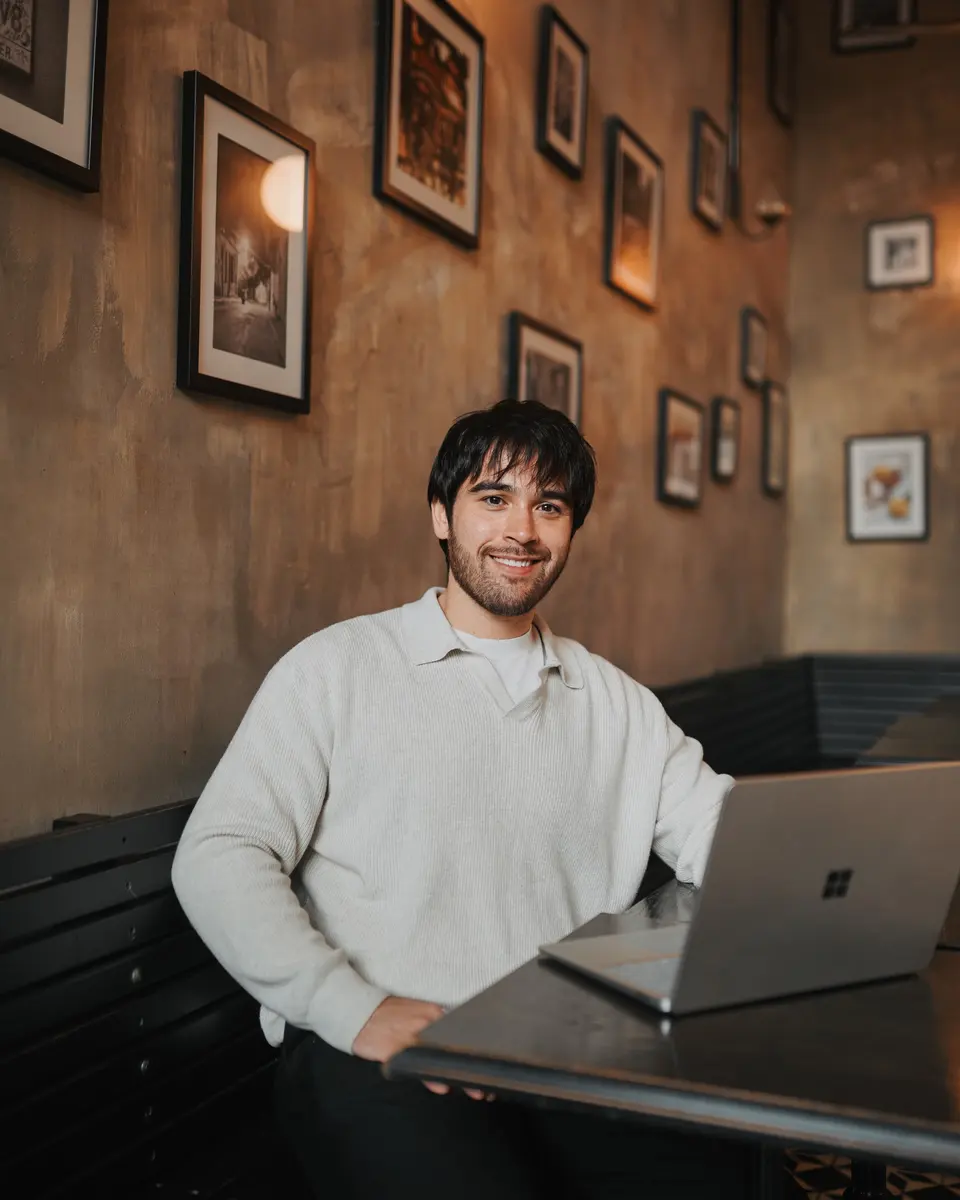
Hi, I’m Reece.
spareday is my business, here in Newcastle. Tell me what you need help with and what is already in place. I’ll work through the scope with you and explain the proposed work before you decide.



Find us
spareday in Newcastle.
12 Grey Street, Wickham, Newcastle NSW 2293.
Landing page design
Show us the offer you want to promote.
Send the campaign idea and your current page, if you have one. We’ll discuss the page and enquiry journey, then prepare a free growth plan, price included.
Or call 0485 017 387.