
For Newcastle businesses
Web hosting
in Newcastle.
A suitable home for your website, with the setup and support responsibilities made clear.
Tell us about your business and what you need.



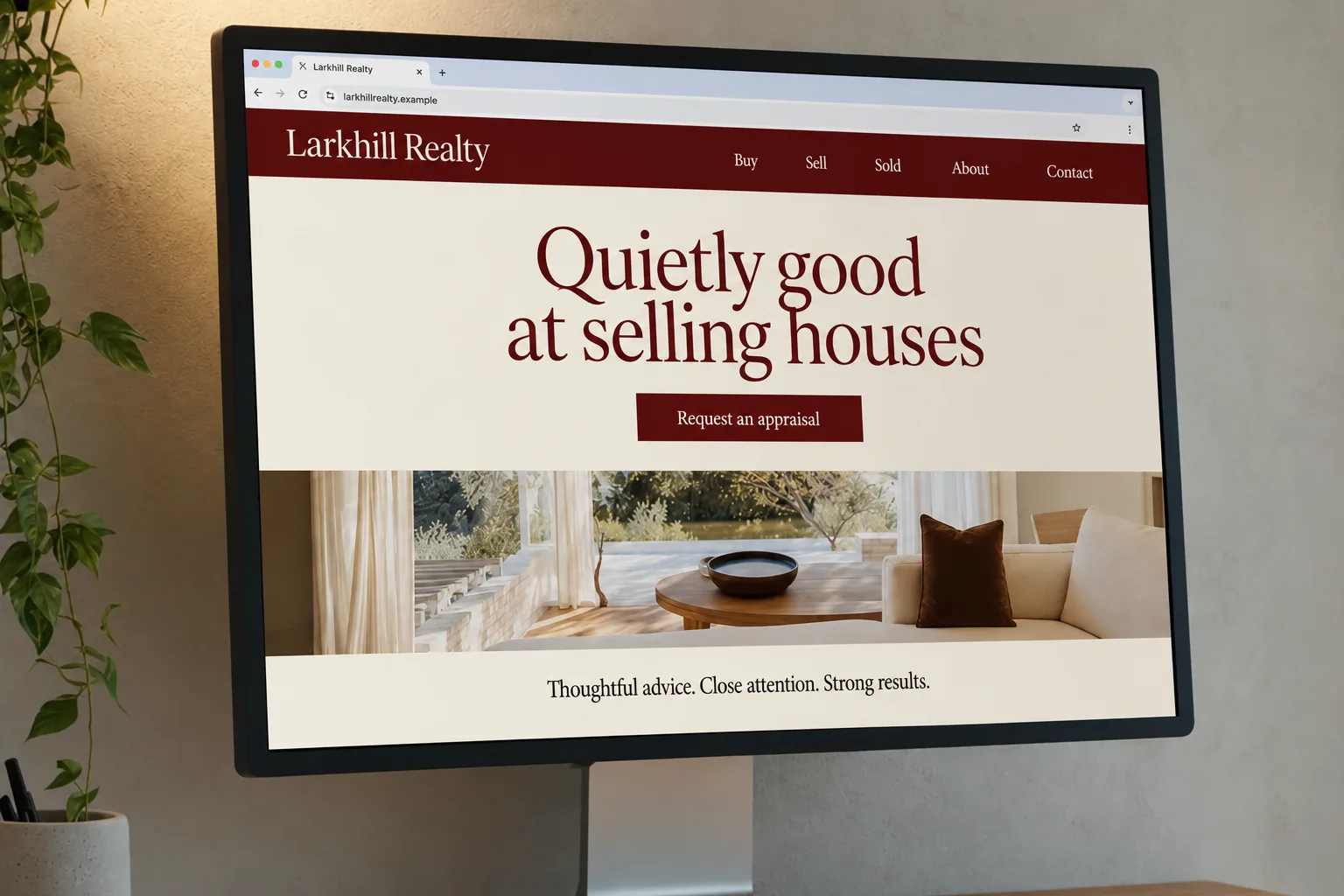
Web hosting at spareday
Know what keeps your website online.
Your website, domain name and email can be managed by different providers. Understanding those connections makes hosting easier to compare and a move easier to plan.
If you are looking for a web hosting company in Newcastle, spareday can review your current setup and arrange hosting suited to the site. We explain what is included, who manages it and what a change would involve.
What’s included
A hosting arrangement matched to your site.
The work starts with the website you actually run. A small site, an online shop and a site with installed software have different requirements.
- Current setup review
- Identify the website platform, hosting, domain provider and any connected email or customer tools.
- Hosting configuration
- Arrange the agreed website hosting, domain connection and secure HTTPS access.
- A planned changeover
- Prepare and check the destination before changing where the domain sends visitors.
- Clear ongoing responsibilities
- Set out the support, backups, monitoring and maintenance included in your arrangement.
How it works
Plan the move before changing any settings.
We check which services depend on the current setup. Website changes should account for email, forms and other connections before the switch.

- Identify the accounts
- Confirm who can manage the domain, hosting and email, without sharing passwords in an enquiry form.
- Prepare the new hosting
- Transfer or build the agreed site and test it before the domain changes.
- Schedule the changeover
- Agree a suitable time and preserve the records that other services need.
- Verify the published site
- Check the pages, HTTPS connection and agreed customer actions, then confirm ongoing responsibilities.
Hosting and maintenance
The monthly fee should describe the work.
Hosting makes the site available. Website maintenance covers the agreed work to keep it updated and functioning. Depending on the platform, that may involve software updates, backups, content changes and checks of forms or bookings.

A WordPress website has different upkeep requirements from a site published as static files. Compare maintenance costs against the actual scope, alongside page speed and the support available.
Changing provider
Keep the website and email accounted for.
Domain settings can affect more than the website. We establish which records route email and other services, and agree the changes needed. Timing varies with the provider and existing configuration; a move should not be sold as an unconditional zero-downtime promise.
If the site needs a rebuild, hosting can be considered as part of it. An immediate outage belongs with urgent website support; smaller edits can be discussed through website changes.
From clients
What clients say about working with spareday
“He was able to take our rough ideas, from concept through to reality. The site has provided an influx of new members, helping to keep our club viable.”

“He created a stunning website for us that captures and nurtures leads with an automated email marketing system, which has filled a huge gap in the business and saved a lot of time (and money!).”

“He didn’t just build me a great website, he created an easy-to-manage system that allows me to make updates myself whenever I need to. He has spared me so much time doing all of this myself!”

“Huge shoutout to Reece for building my website for Hughesys Painting Services. Since it went live my phone hasn’t stopped ringing.”
Official guidance
For keeping a website secure, read the Australian Cyber Security Centre on protecting yourself online and business.gov.au on choosing digital tools.
A few practical details
Before we get started.
Are hosting and a domain the same thing?
No. The domain is the address people use; hosting serves the website. Email is another service that may share some domain settings.
Can you work with the hosting we already have?
We review whether it supports the site and the work you need. A move is proposed only after the current arrangement is understood.
Will changing hosting affect our email?
It can if domain records or bundled email services are changed. We identify the existing email setup and plan around it before a move.
Are backups included?
The quote states the backup and recovery arrangements for your site. It should identify what is copied, where it is kept and what restoration support is available.
What information helps with a quote?
Your website address, current provider, platform and what you want improved. Account access is arranged securely if the work proceeds.

Who you’ll work with
Hi, I’m Reece.
spareday is my business, here in Newcastle. Tell me what you need help with and what is already in place. I’ll work through the scope with you and explain the proposed work before you decide.




Find us
spareday in Newcastle.
12 Grey Street, Wickham, Newcastle NSW 2293.
Web hosting
Tell us about your current hosting.
Send the website address and the issue you want resolved. We’ll review the setup with you and quote the agreed work.
Or call 0485 017 387.