spareday

For Newcastle businesses paying for pages nobody searches

Content marketing in Newcastle, NSW: articles that bring work.

What is worth writing, and how to tell whether any of it earned anything.

★★★★★Newcastle and the Hunter

A report on your own business, showing which pages bring visitors and what people search for before they buy.

Reece Rainer By Reece Rainer spareday, Newcastle NSW Last updated 13 September 2026 Read time 8 minutes
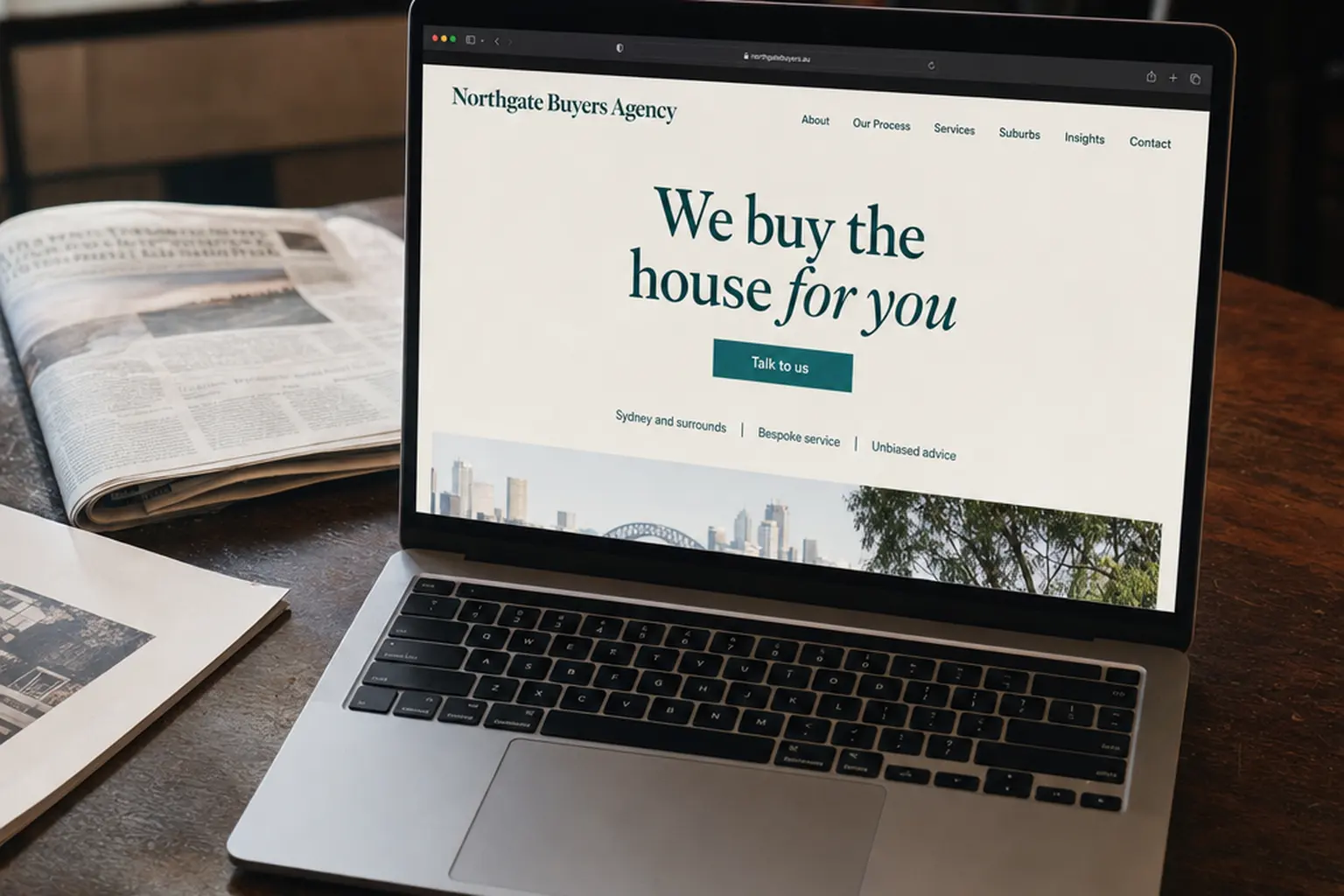
A page on a business website answering a question customers ask before they buy, with the answer set out plainly
what clients say

What clients say

★★★★★

Excellent in all facets of web design with particular expertise in SEO and email marketing. Online visibility has skyrocketed since working Reece which translates as flawless customer relations, new leads and new customers.

Joshua Thomasongoogle review
★★★★★

A passion-driven, good-hearted and reliable service provider with the competency of a genius when it comes to software engineering, AI technology and marketing.

Daniel Tiwarigoogle review
★★★★★

Reece has been generous, reliable and knowledgeable in creating an online presence for our sporting club. He is good to work with and has good technical abilities.

Gary Robertsgoogle review

See them all on Google

Somebody is thinking about a job but has not decided anything yet. They type a question into Google. Whoever answers that question properly is the business they have already half chosen by the time they ring anybody.

Writing those answers is content marketing. It is also where a great deal of money gets spent producing pages nobody searches for. What follows is what is genuinely worth writing for a Newcastle business, what publishing does and does not do, and how to tell whether any of it earned its keep.

01

What counts as content marketing

It is the writing on your site that is not a service page. The questions people ask before they buy, the explanations, the comparisons and the guides. Its job is to be found and to be useful.

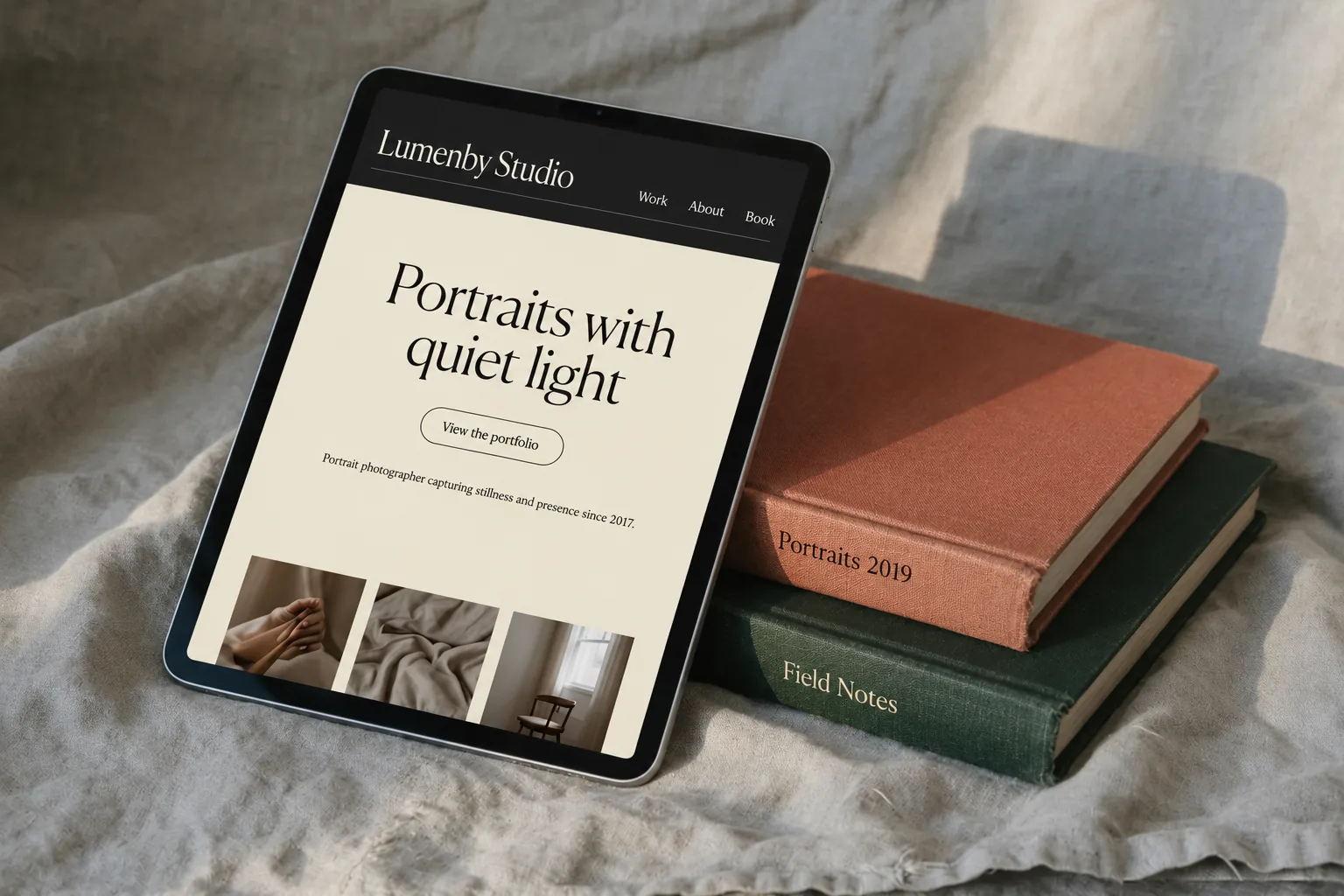
A business website being edited on one side, with the published page it produces on the other
the page that gets found before anybody is ready to ring

Service pages exist for people who already know what they want. Content is for the stage before that, when somebody is still working out what the job involves and what it is likely to cost them.

What it looks like

  • The questions asked before the sale.

    How much it costs, how long it takes, what tends to go wrong, and whether a permit is needed for any of it.
  • The explanations of how the work goes.

    What a job actually involves, written for somebody who has never had it done before in their life.
  • The comparisons, done honestly.

    This option against that one, including the times when the cheaper one is perfectly fine.
  • The specifics that are local to here.

    Not gestured at, but named. The suburbs you actually travel to, what a job costs here against Sydney, which council you deal with in Lake Macquarie rather than Newcastle. A competitor can copy a claim about local knowledge, and they cannot copy the detail.

What it is not is publishing to keep a calendar full. A page nobody searches for and nobody reads is a cost with a publication date attached to it.

Anything you publish is still advertising, and the ACCC sets out what counts as a misleading claim.

Get my free reportA report on your own business, showing which pages bring visitors and what people search for before they buy.
02

What it is worth to a Newcastle business

Because a page answering a question properly keeps being found for years, and because the local version of an answer is something a national competitor cannot write.

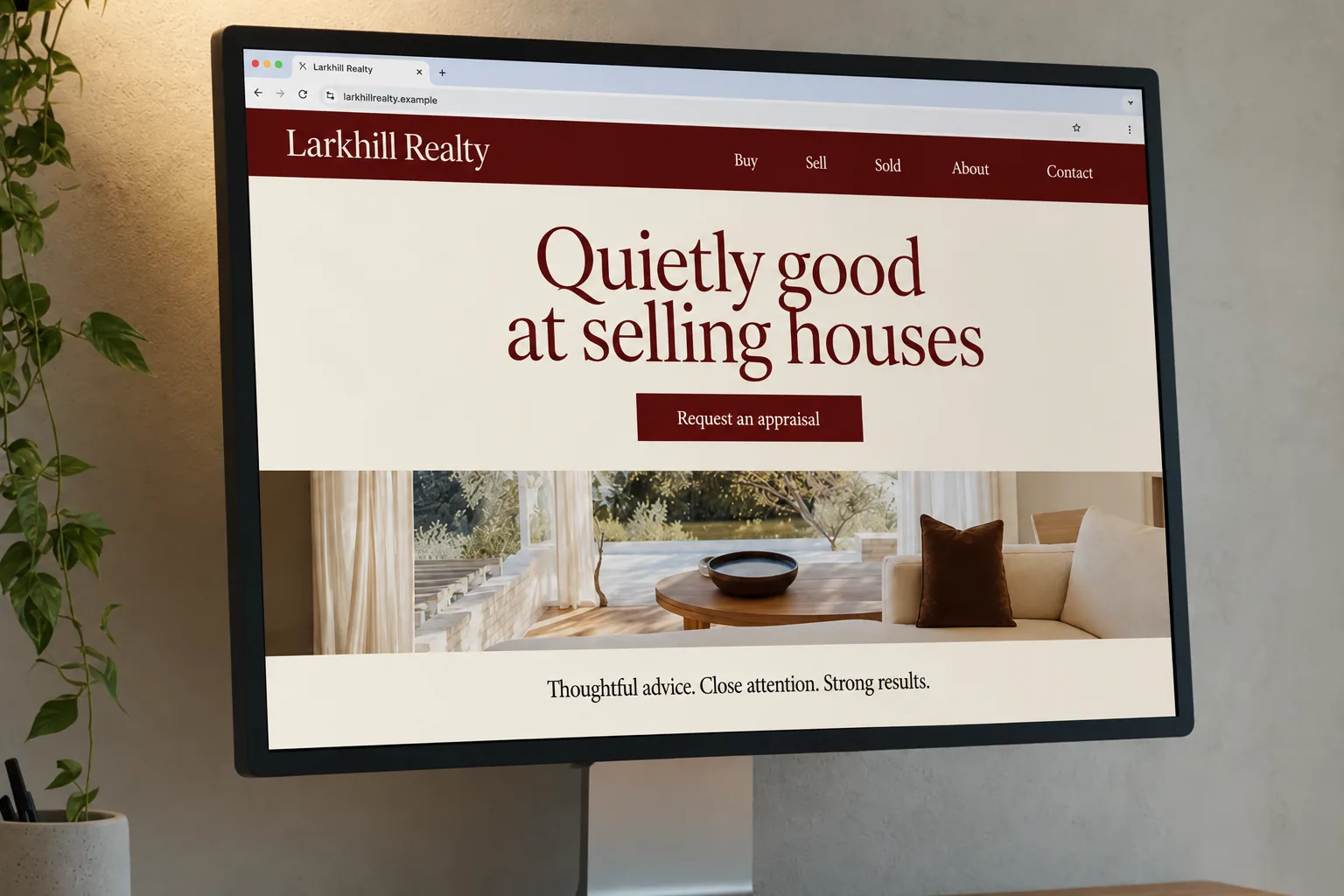
A Google results page showing a business ranking for a question rather than for a service
the searches that happen before anybody is ready to buy

Search advertising stops on the day the spending stops. A page that answers a question keeps arriving in results long after it was written, without anybody having to touch it.

The second reason for it is entirely local. National sites can out write a Newcastle business on the general version of any question. They cannot write what a job costs around here, what the council requires, or what the ground is like in one suburb.

It also does a job that has nothing to do with search at all. A customer who read a page that genuinely helped them arrives at the phone call already half decided, which changes the whole conversation.

Get my free reportA report on your own business, showing which pages bring visitors and what people search for before they buy.
03

What is actually worth writing

The questions customers ask you on the phone every week. Those are already known to be real questions, which is more than can be said for anything on a content calendar.

The list of what to write already exists inside the business. It is the questions people ask before they book, and nobody has ever written them down.

Where the list comes from

  • The phone calls you already take.

    Whatever you find yourself explaining over and over again. Write it down for a fortnight and the list builds itself.
  • The quotes that went quiet on you.

    Whatever the hesitation was. That hesitation is a page, and it is usually one nobody has written.
  • What people are actually searching for.

    The terms and their rough volumes, which says which of those questions are asked most widely.
  • The local version of each one.

    The same question, answered for here. Prices, rules, conditions, and which suburbs make a job harder.

One page answering a real question properly does more than ten written to fill a schedule. This is the part of the work where less is genuinely more.

Get my free reportA report on your own business, showing which pages bring visitors and what people search for before they buy.
04

How to tell whether it earned anything

Look at which pages bring visitors and which of those visitors enquire. Most published pages do neither, and knowing which ones do is what makes the next ones better.

Publishing is easy to do and easy to keep doing without ever checking whether it did anything at all. The check is straightforward, and most businesses have never once run it.

What to look at

  • Which pages bring visitors at all.

    Taken straight from your own analytics. It is usually a short list, and usually not the pages anybody expected it to be.
  • Which of those produced an enquiry.

    Visitors on their own are only an audience. This column is the one that is a result.
  • What those people actually searched for.

    The questions that brought them in, which is what says what to write next.
  • Which of the pages are doing nothing.

    Pages with no visitors after a year. Worth improving or removing rather than joining with more of the same.

Improving a page that already brings visitors is nearly always a better use of an hour than writing a new one, and it is the least popular advice in this whole subject.

Get my free reportA report on your own business, showing which pages bring visitors and what people search for before they buy.
05

How the work actually runs

The questions go down on paper first, then against what people actually search for. One of them gets a proper answer, linked to the service page it belongs to, and then somebody looks at what that page did.

A list of customer questions with the monthly search volume beside each one
step two, and it decides which of the questions is worth an afternoon

The order keeps the writing pointed at real questions rather than at a schedule.

1. Write the questions down

For a fortnight, every question a customer asks before booking. That list is the plan, and building it takes a notepad and nothing else.

2. Check them against what people search for

Against their rough monthly volumes. People ask some of the most common questions in person and never type them, which is worth knowing before spending an afternoon on one.

3. Answer one of them properly

In full, in plain words, including the parts that do not flatter the business. Half an answer is worse than none, because the reader goes and finds the rest elsewhere.

4. Link it to the service page

Inside the writing, where it belongs. Somebody who has just had their question answered is the likeliest person on the site to make an enquiry.

5. Look at what that page did

After a few months have passed. Visitors, and whether any of those visitors went on to enquire about anything.

6. Then write the next one

Or improve the one already working, which is usually the better hour of the two.

Get my free reportA report on your own business, showing which pages bring visitors and what people search for before they buy.
06

How long it takes

The whole thing is slow. A page takes months to settle into results, and the ones that work keep working for years afterwards without being touched again.

The order it happens in

  • First the questions go down on paper.

    Straight off the phone. Nothing is published yet, and this is the part that decides whether anybody reads the rest.
  • Then the first pages go up.

    One question each, answered properly, and linked to the service page they relate to.
  • Then they settle in and accumulate.

    Slowly, over months. The ones that work carry on working, and that is the entire return on this channel.

Where a business needs enquiries this month, this is the wrong channel and advertising is the answer. The two are entirely different purchases.

Get my free reportA report on your own business, showing which pages bring visitors and what people search for before they buy.
07

What should you ask before paying anyone?

Ask where the topics come from, who writes it, whether any of it is generated, and what the monthly report shows. The topics question says whether anybody will read it.

A written content plan for a business listing the customer questions each page will answer
the plan worth asking to see, and it should be full of real questions

These are worth asking of any agency, including this one, so the answers given here are underneath each question.

  • Where do the topics come from?

    Your customers' questions and what people actually search for. A calendar of themes has asked neither of those.
  • Who writes it, and who reads it first?

    It goes to the owner before it publishes here, because the owner is the one who knows whether it is true.
  • Is any of the writing generated?

    It is worth asking plainly. A page nobody in the business has read is a page carrying your name on somebody else's guess.
  • What does the monthly report show me?

    Which pages bring visitors, and which produce enquiries. A count of published pages is only a count of work done.

A business with no service pages yet should build those first. Content works best when it is pointing at somewhere genuinely worth arriving at.

Get my free reportA report on your own business, showing which pages bring visitors and what people search for before they buy.

If you do one thing after reading this, write down every question a customer asks you for the next fortnight. That list is a year of pages, and it is the one thing nobody else in Newcastle can copy off you. Ask for the free report and that list comes back checked against what people search for.

Related reading from us: marketing agency services and what a search for your name shows.

Common questions

What is content marketing?

It is writing the answers people search for before they buy, so that a business gets found at the stage where somebody is still deciding.

Do I need to publish blog posts?

Only the ones answering a question customers actually ask. Publishing to fill a calendar produces pages that nobody ever searches for.

How often should I publish?

Less often than the schedules suggest. One page answering a real question properly does more than ten written to a plan.

What should I write about?

The questions customers ask on the phone before they book, and the local version of them, which is the part a national site cannot write.

How long before a page does anything?

Months, for it to settle into results. The ones that work then keep working for years without being touched again.

Is it better to write new pages or improve old ones?

Improving a page that already brings visitors is usually the better hour, and it is the least popular advice in this subject.

What does it cost?

One monthly fee covering everything. What it comes to depends on the business, so the number gets given on the call.

What else we do

See which questions your Newcastle
customers are searching for before they buy

Call 0485 017 387