
For Newcastle businesses
Custom software
in Newcastle.
Build a practical tool around the way your business works, from an internal jobs system to a customer portal or connection between existing products.
Tell us about your business and what you need.



How spareday helps
Give your business a tool that fits the job.
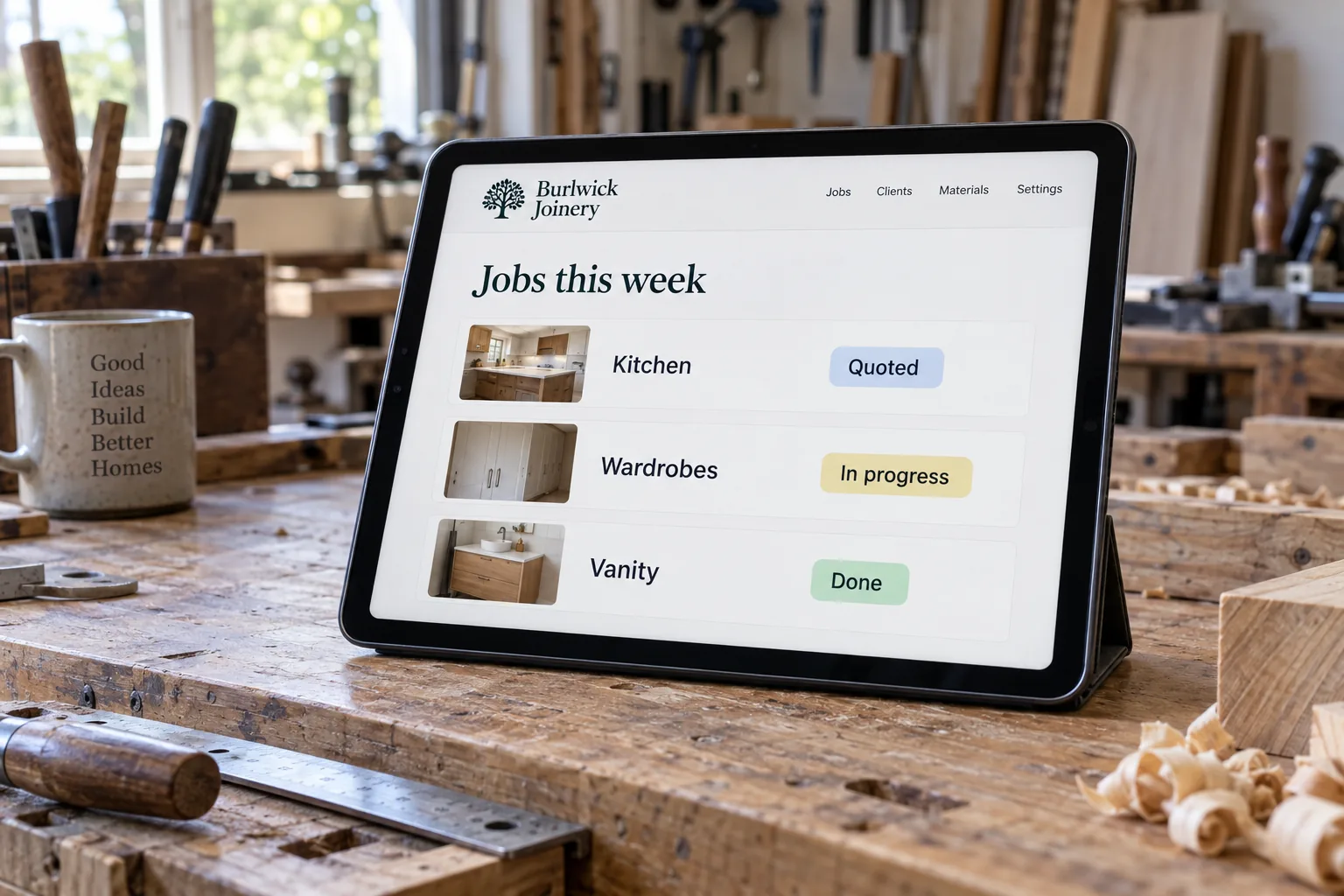
Custom software is a tool built for a particular business. As a software company in Newcastle, spareday develops apps, portals and internal web tools around the process you want to improve.
We start by understanding how the job happens today and checking what your current software can already do. The proposal explains what needs building, who will use it and how you will check that it works.
What’s included
A working tool and a clear way to maintain it.
The build is scoped around the users, information and actions the tool needs. That might be a focused internal system or a larger application delivered in agreed stages.
- Internal business tools
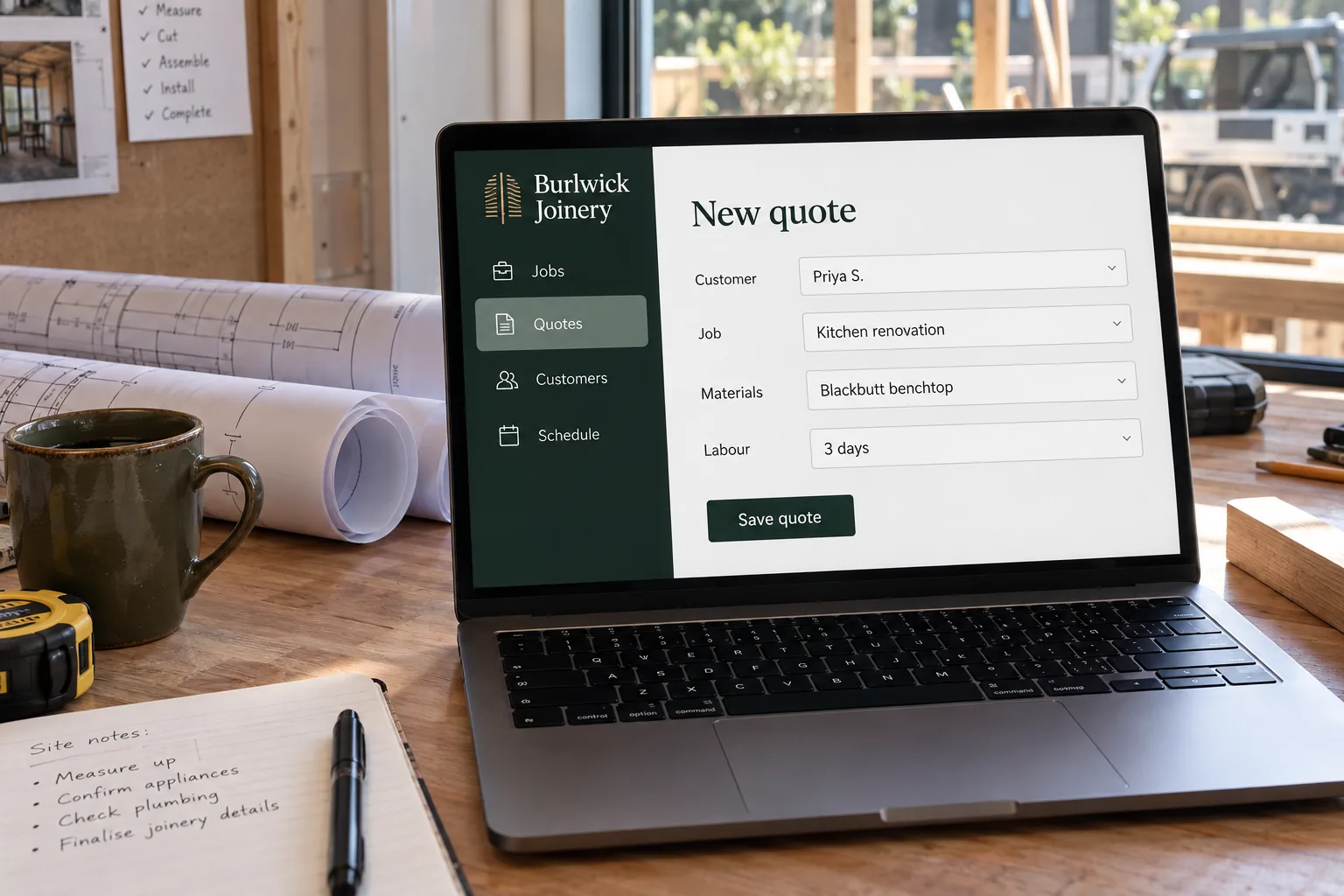
- Bring jobs, approvals, scheduling or other repeated work into a system that reflects your process.
- Customer portals
- Give customers an appropriate place to view their own information or submit requests, with access rules agreed as part of the build.
- Connections between products
- Check whether information can move between existing tools, reducing the need to copy it by hand.
- Usable screens and testing
- Work through the main tasks with the people who will use the software, including missing information and unusual cases.
- Ownership and upkeep
- Agree the code, data, account access, documentation and ongoing support arrangements before development starts.
How it works
Build around real work and real users.
A clear process makes the software easier to specify and assess. You bring knowledge of the business; we turn the agreed requirements into a working system.
- Understand the job
- Walk through how the work happens, who does it and which records or products are involved.
- Compare the ways to solve it
- Check existing products and connections, then define the part that calls for custom software.
- Build an agreed working stage
- Put the main tasks in front of the intended users and check them against the requirements.
- Prepare for ongoing use
- Resolve findings, document access and handover, and agree support and how future changes will be quoted.
Build, buy or connect
Choose the approach that fits your requirements.
An existing product can be a good fit when it already handles the work you need. Check its features, limits, subscriptions and data access against your requirements. A custom build is worth considering when important parts of the process remain unsupported.
Sometimes the useful work is connecting two tools rather than replacing either. Our business process automation service covers that kind of repeated flow.
A new product you intend to sell needs a separate discussion about users, ongoing operation and support. Explain that goal early so the scope reflects it.
The Australian Government’s guide to digital tools is useful background when comparing products and their suitability for a business.
Ownership and future changes
Plan for the life of the software.
You own what we build. The custom code, your data and the accounts it runs in are set up in your business's name, with documentation another developer can pick up. Any third-party services or licences it relies on are listed in the proposal, along with a readable way to export your data.
Agree who handles hosting, updates, backups and faults, and which of those services carry ongoing charges. New features and changes to connected products can create further work; the support arrangement should explain how that work is assessed and quoted.
spareday works from Newcastle and can discuss the software alongside your wider business and marketing needs. The first step is describing the job the software should do.
From clients
What clients say about working with spareday

“He created a stunning website for us that captures and nurtures leads with an automated email marketing system, which has filled a huge gap in the business and saved a lot of time (and money!).”

“He didn’t just build me a great website, he created an easy-to-manage system that allows me to make updates myself whenever I need to. He has spared me so much time doing all of this myself!”
“He was able to take our rough ideas, from concept through to reality. The site has provided an influx of new members, helping to keep our club viable.”

“Huge shoutout to Reece for building my website for Hughesys Painting Services. Since it went live my phone hasn’t stopped ringing.”
Official guidance
For independent background, read the official guidance on choosing digital tools and protecting your business online.
A few practical details
Before we get started.
How do I know whether to build custom software?
Write down the requirements and compare them with existing tools. A build is worth considering when an important part of the job remains unsupported, with costs and upkeep assessed before you commit.
Can you connect tools we already use?
Where their available connections and permissions support the required work, yes. We check those constraints before quoting an integration.
What should we own at the end?
You do. The custom code, your data and the accounts it runs in are set up in your business's name, with documentation another developer can pick up. Any third-party services or licences it relies on are listed in the proposal.
How long does a build take?
It depends on the scope, connections, available information and testing required. The proposal sets out an estimated schedule and what it depends on.
What information do you need for a quote?
Describe the process, intended users, current tools and the result you want. Include known constraints or a genuine deadline so we can discuss an appropriate scope.

Who you’ll work with
Hi, I’m Reece.
I run spareday from Newcastle. Tell me what your business needs and what is already in place. I’ll work through the scope with you and explain the proposed work before you decide.



Find us
spareday in Newcastle.
12 Grey Street, Wickham, Newcastle NSW 2293.
Your next step
Tell us what the software needs to do.
Describe the process you want to improve and the tools involved. We’ll discuss the options and send a free growth plan, price included.
Or call 0485 017 387.