
For landscapers invisible in the suburbs they have worked in
A portfolio sitting in front yards, and two businesses sharing one van.
A report on your business, showing where you appear across your area and whether the suburbs you have worked in can find you.
 By Reece Rainer
spareday, Newcastle NSW
Last updated
13 September 2026
Read time
6 minutes
By Reece Rainer
spareday, Newcastle NSW
Last updated
13 September 2026
Read time
6 minutes
He was able to take our rough ideas, from concept through to reality. The site has provided an influx of new members, helping to keep our club viable.
A passion-driven, good-hearted and reliable service provider with the competency of a genius when it comes to software engineering, AI technology and marketing.
He created a stunning website for us that captures and nurtures leads with an automated email marketing system, which has filled a huge gap in the business and saved a lot of time (and money!).
Landscaping is the one trade where the finished work sits in a front yard for a decade, in public, in a suburb you want more work in.
This is how landscaping customers actually search, why the design half and the maintenance half need different geography, and what moves it.
A landscaper's completed jobs are visible from the footpath and they stay visible for years. No other trade has a portfolio that a prospective customer might walk past on the way to school.
This has a direct consequence for where the search work should point. The suburbs a landscaper has already worked in are the ones where people have seen the work, and a page about that suburb with photographs of those gardens converts far better than one about a suburb you have never been in.
It also means word of mouth and search reinforce each other in a way that is unusual. Somebody who liked a garden down the road searches for a landscaper in their suburb, and the business that built the garden should be the one they find.
Most landscapers never connect the two. The jobs go on Instagram, the website has a gallery with no suburbs in it, and the search that follows from the neighbour walking past goes to somebody else.
A design and construct client is spending twenty to a hundred thousand dollars once, after months of thinking. A maintenance client is spending a few hundred a month forever, decided in an afternoon. They search differently and they are found differently.
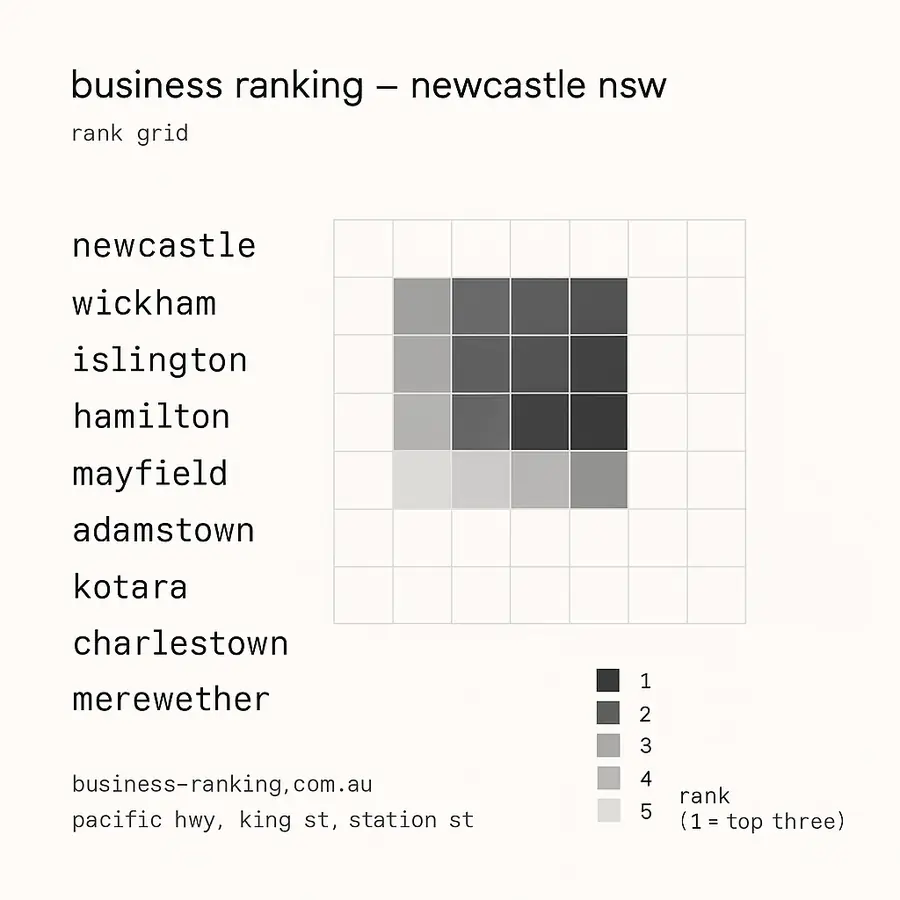
The maintenance search is close to a proximity search. People want somebody local, reliable and cheap enough, and it is decided quickly on the listing and the reviews.
The design search is nothing like it. It runs for weeks, it starts with ideas rather than with a trade name, and it involves looking at photographs long before anybody rings.
A business that does both needs to decide which one the website is for, because a site built to win maintenance work will not win a landscape design client, and a site built for design clients looks expensive to somebody who wants their lawn mowed.
Landscaping is judged visually before anything is read. Photographs on the listing and on the pages are not decoration here, they are the product being demonstrated, and most landscaping listings have three blurry ones.
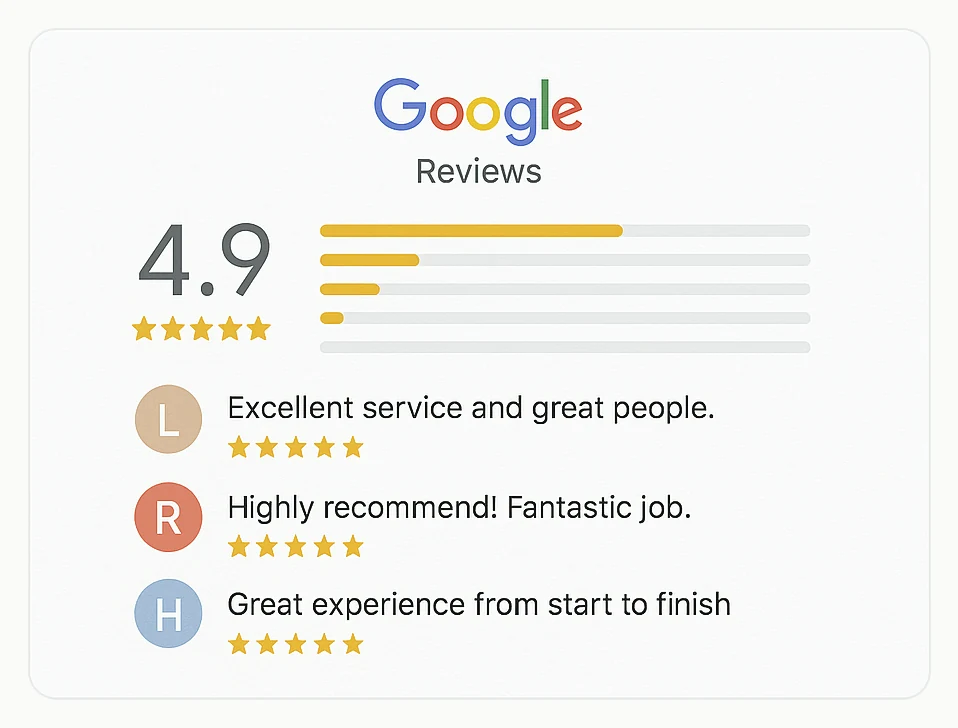
The listing photographs are the cheapest improvement available and they are almost universally neglected. A profile with twenty good photographs of finished gardens gets looked at for longer, and it is what a customer compares against the other three profiles.
On the website, project pages with a suburb attached do double work. They give a customer something to judge and they make the business findable in the place the job was done.
The before shots matter as much as the after shots, and almost nobody keeps them. A photograph of the bare, sloped, awful backyard next to the finished one is the most persuasive thing a landscaper can publish.
Landscaping searches climb through late winter as people start thinking about summer, peak in spring, and fall away in the heat. Rankings take months, so the work that matters happens before anybody is searching.
Late winter is the window that decides the year. Somebody planning a backyard for summer starts looking in August, and a business that becomes findable in October has missed the planning half of the season entirely.
Maintenance is flatter and rises with the growing season, which makes it a useful counterweight. A business with both can fill the quiet months with maintenance while the design work is booked ahead.
The commercial and strata work is flattest of all and has almost no seasonal pattern, which is one of the reasons it is worth having a page for even if it is a small part of the business.
The listing is rebuilt with real photographs and every service listed, project pages get written with the suburb attached, the maintenance side gets its own straightforward pages, and it is measured from a grid across the area.
The listing comes first because it is free and because in this trade the photographs on it are doing more selling than most landscapers realise.
The project pages are the long game and they are built out of jobs you have already done, so the writing is recall rather than invention. Suburb, brief, what was involved, what it cost roughly, and the pictures.
Then it gets measured across the area rather than from the yard. A landscaper who ranks only in their own suburb is invisible in the six suburbs where their finished work is sitting in front yards.
If you do one thing after reading this, start photographing every job before you touch it. In two years that habit is the strongest marketing asset a landscaping business can own, and it costs nothing.
Related reading from us: into the three, suburb by suburb, local SEO for pest control, Google Reviews For Landscapers and missed call text back for landscapers.
They can be, but they need separate pages and separate wording. A site built to win mowing work will not win a design client.
Far more than most have. Twenty good ones of finished jobs is a reasonable target and it is free.
Autumn or winter. The planning searches begin in late winter and rankings take months, so building in spring means missing the season.
Where you have real jobs, yes, and they are unusually strong in this trade because the work is visible from the street in those suburbs.